
Europe, Japan step up to steady the world’s fuel flow
Marijo Farah A. Benitez • Ipinost noong 2026-03-20 16:39:40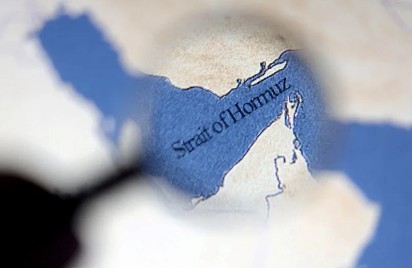
MARCH 20, 2026 — Europe and Japan have finally stepped into the fray, pledging to help stabilize energy markets and secure the Strait of Hormuz after Iranian strikes crippled Qatar’s LNG hub and rattled global oil flows. For us here in the Philippines, this isn’t just distant geopolitics — it’s the reason gas prices at the pump and electricity bills could soon feel heavier than ever.
The Strait of Hormuz is the world’s most critical energy artery. Roughly a fifth of global crude oil and liquefied natural gas passes through it daily. When Iran retaliated against Israeli strikes by hitting Qatar’s Ras Laffan Industrial City — responsible for about 20% of LNG supply — the shockwaves were immediate: Brent crude surged past $112 per barrel, European gas prices jumped over 60% since the war began, and Asian stock markets slid.
For the Philippines, a country heavily reliant on imported fuel, this spells trouble. Every spike in global oil prices translates into higher transport fares, pricier groceries, and ballooning electricity costs. The jeepney driver in Cubao, the sari-sari store owner in Tondo, and the call center worker in Ortigas all feel the pinch when the Strait of Hormuz goes dark.
Europe and Japan's reluctant move
After weeks of hesitation, Britain, France, Germany, Italy, the Netherlands, and Japan issued a joint statement declaring readiness to “contribute to appropriate efforts to ensure safe passage through the Strait” and to work with producers to boost output.
This marks a shift from their earlier resistance to U.S. calls for direct involvement in the conflict.
But let’s be clear: this isn’t altruism. Europe is battling inflation, with the ECB projecting 2026 inflation at 2.6% — higher than expected. Japan, meanwhile, saw stocks tumble 3% as energy costs soared.
Their intervention is about survival, not solidarity.
The messy war aims
The U.S. insists its objectives are “unchanged, on target and on plan,” but cracks are showing. Israel’s bombing of Iran’s South Pars gas field reportedly blindsided Washington, exposing gaps in coordination. Intelligence officials admit Israel wants regime destabilization, while Trump’s stated goal is to cripple Iran’s missile and naval capabilities.
This confusion matters. Every misstep escalates the risk of Iran striking more energy facilities — Saudi Arabia’s Yanbu port, Kuwait’s refineries, and even Israel’s Haifa port have already been hit. Each attack tightens the noose on global supply.
The harsh truth is, the Philippines has zero control over this war, yet we’re among the first to suffer its economic fallout. Our dependence on imported oil and LNG makes us vulnerable to every tremor in the Gulf.
Expect higher pump prices, possible electricity rate hikes, and inflationary pressure that could squeeze household budgets even tighter.
And yet, our government’s response remains muted. Where is the proactive strategy to shield us from external shocks? Shouldn’t we be accelerating renewable energy projects, diversifying supply chains, or at least preparing subsidies for the most vulnerable?
This crisis exposes the fragility of a world still tethered to a single chokepoint. As one analyst put it, “Asian economies emerge as the most exposed, revealing the structural fragility of a world still tethered to a single maritime chokepoint.”
The lesson is clear: we cannot keep living at the mercy of distant wars and volatile oil markets. Energy independence isn’t a luxury — it’s survival.
(Image: Yahoo News UK)