
Pentagon prepares for possible Iran ground assault — Are we entering a new war phase?
Robel A. Almoguerra • Ipinost noong 2026-03-30 21:06:25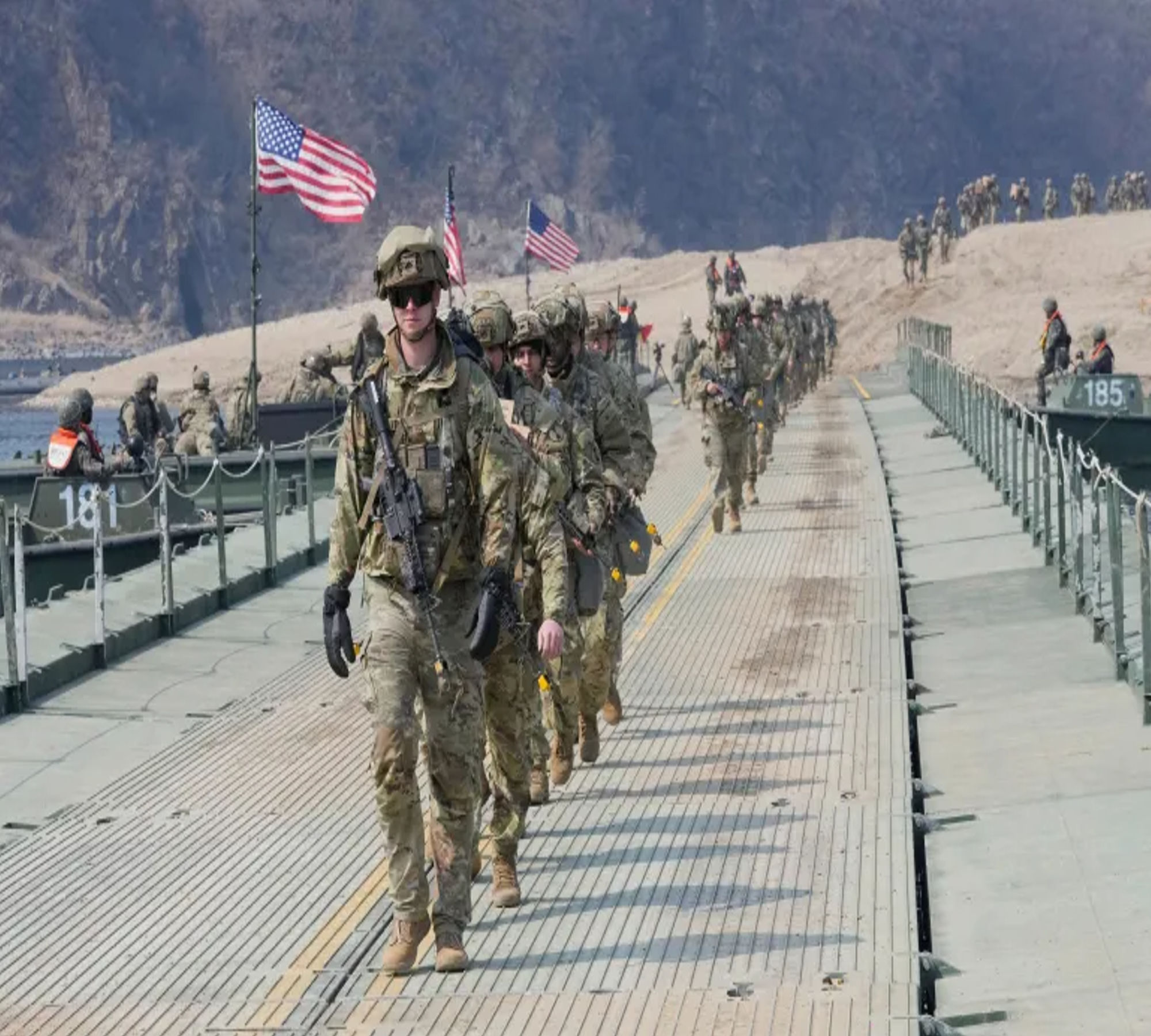
MARCH 30, 2026 — Reports that the Pentagon is preparing for possible ground operations in Iran have sparked renewed concern over the direction of U.S. military involvement in the Middle East. According to U.S. officials, thousands of troops and Marines are already being deployed across the region, signaling a potential escalation beyond aerial or naval operations.
If approved by Donald Trump, the plan could mark a significant turning point in the conflict—one that may expose American forces to greater risk compared to the earlier weeks of engagement. Ground operations, by nature, involve closer combat, unfamiliar terrain, and prolonged exposure, all of which increase the human and political costs of war.
Military analysts suggest that such a move could widen the scope of conflict, not only within Iran but across neighboring regions already fraught with tension. The presence of additional troops may serve as both a deterrent and a provocation, depending on how it is perceived by regional actors. As history has shown, particularly in prolonged engagements in the Middle East, the line between stabilization and escalation can be dangerously thin.
From a broader perspective, this development raises deeper questions about the long-term strategy of the United States. Is this a calculated step toward restoring geopolitical balance, or a reactive decision that risks entangling the nation in another drawn-out conflict? The deployment of forces may project strength, but it also invites scrutiny over the sustainability of such actions—both financially and morally.
As global attention turns once again to the region, the implications extend beyond military strategy. Civilians, economies, and international alliances all stand to be affected by what could become a defining moment in modern geopolitics. In a world already strained by conflict, should nations continue to rely on military escalation as a primary solution—or is it time to rethink the path to lasting peace?
(Larawan mula: The Washington Post)