
Trump clocks Iran war: gone in three weeks?
Marijo Farah A. Benitez • Ipinost noong 2026-04-01 09:11:09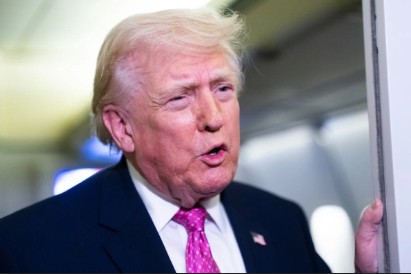
APRIL 1, 2026 — Donald Trump is at it again — this time claiming the U.S. could wrap up its war against Iran in just “two to three weeks.” From the Oval Office, he told reporters, “We’ll be leaving very soon … within two weeks, maybe two weeks, maybe three.”
Big words, bold timeline, and a promise that sounds more like a campaign slogan than a military strategy.
Trump doubled down, saying Iran doesn’t even need to cut a deal with Washington.
“Iran doesn’t have to make a deal, no … Then we’ll leave,” he said.
His condition? That Tehran be “put into the stone ages,” stripped of any chance to build a nuclear weapon.
Five weeks of U.S.-Israel strikes under “Operation Epic Fury” have already rattled the Middle East, sent oil prices climbing, and left global markets jittery. And here in the Philippines, we don’t need a foreign policy briefing to know what that means: higher jeepney fares, pricier groceries, and tighter household budgets. Every Filipino commuter and sari-sari store owner feels the sting when oil shoots up.
But wars don’t end neatly on schedule. Trump’s “three-week exit” sounds more like theater than reality. If anything, his shifting statements only add more uncertainty to an already volatile situation. And uncertainty is the last thing the world economy needs right now.
For us, the bigger question isn’t whether Trump can pull off his countdown — it’s how we protect ourselves from the fallout. Our leaders need to stop treating global conflicts as distant noise and start planning for the local impact: energy diversification, price stabilization, and clear-eyed policies that shield ordinary people from paying the price of superpower games.
Trump may be clocking Iran, but it’s our wallets that are ticking.
How much longer can we keep footing the bill for wars we never asked to fight?
(Image: Yahoo)