
Ceasefire talks emerge — But is control of the Strait of Hormuz the real battlefield?
Robel A. Almoguerra • Ipinost noong 2026-04-01 22:56:18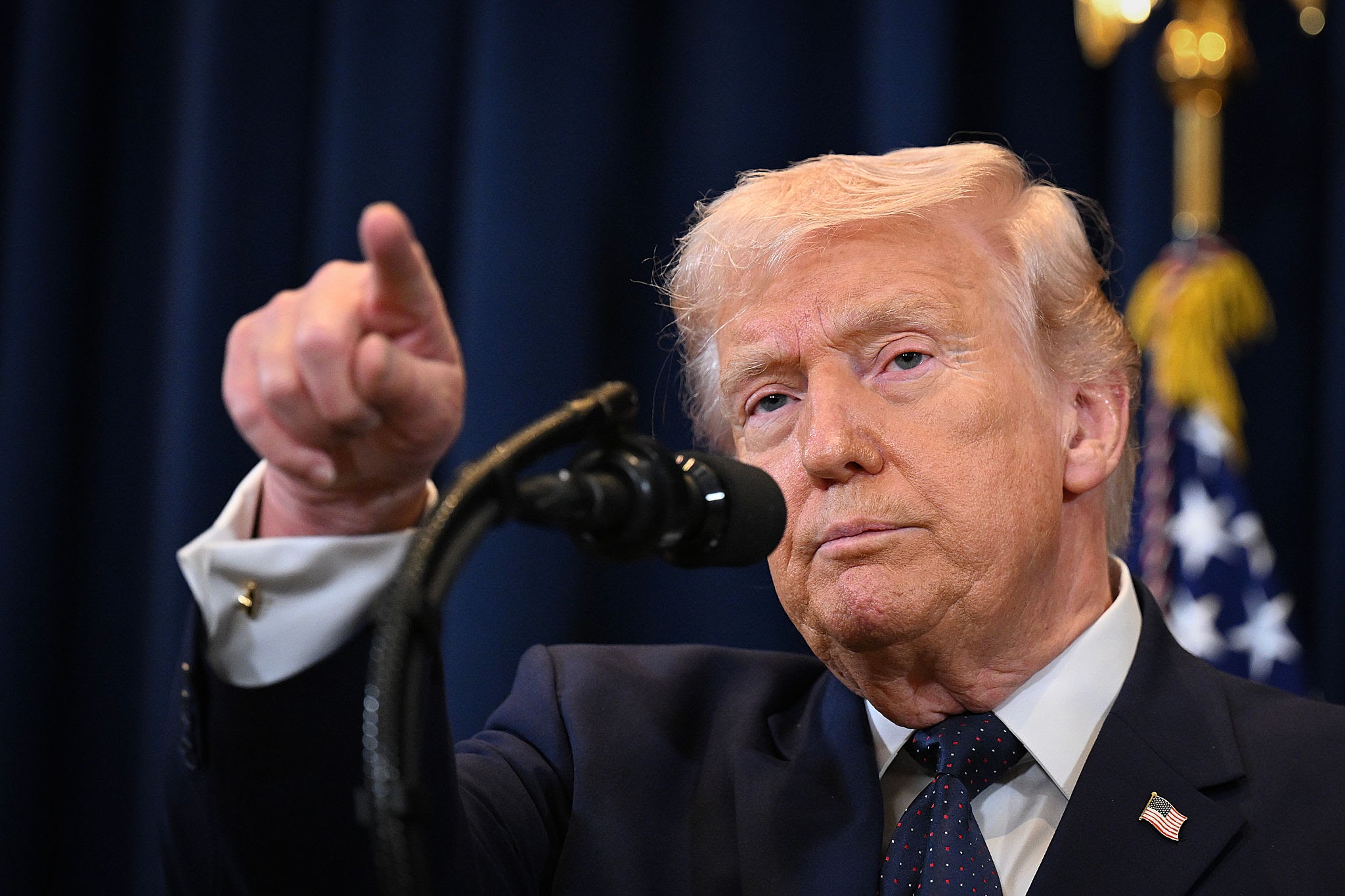
APRIL 1, 2026 — A potential breakthrough in Middle East tensions has emerged after Donald Trump claimed that Iran has expressed interest in a ceasefire. However, the path toward de-escalation appears far from straightforward, as the United States has set a firm condition: the Strait of Hormuz must remain “open, free, and clear” before any agreement can be considered.
The Strait of Hormuz is not just a geographic passage—it is a lifeline for global energy supply. A significant portion of the world’s shipments passes through this narrow waterway, making it one of the most strategically sensitive areas in international trade. Any disruption could trigger immediate consequences, from rising fuel prices to economic instability across multiple regions.
While the idea of a ceasefire may signal a willingness to step back from conflict, the conditions attached reveal deeper geopolitical priorities. By linking peace to control and security over a key economic route, the U.S. underscores how modern conflicts are often shaped not only by territorial or ideological disputes but also by global economic interests.
From one perspective, ensuring the stability of such a vital route is necessary to protect international markets and prevent broader crises. From another, it raises concerns about whether peace negotiations are becoming tools for strategic leverage rather than genuine efforts toward resolution. If one side’s condition becomes too rigid, it may limit the space for compromise—potentially prolonging the conflict it seeks to end.
This development also invites reflection on how global power dynamics influence the terms of peace. Smaller nations and oil-dependent economies may find themselves indirectly affected by decisions made far beyond their borders.
As the situation continues to unfold, one thing remains clear: ceasefires are rarely simple agreements—they are negotiations shaped by power, interest, and timing.
When peace depends on strategic control, are ceasefires truly about ending conflict—or about redefining who holds the advantage?
(Larawan mula: Getty Images)