
Gridlocked: How Paranaque's persisting traffic issues are affecting NCR’s Bay City.
Bryan Hafalla • Ipinost noong 2025-05-01 20:32:53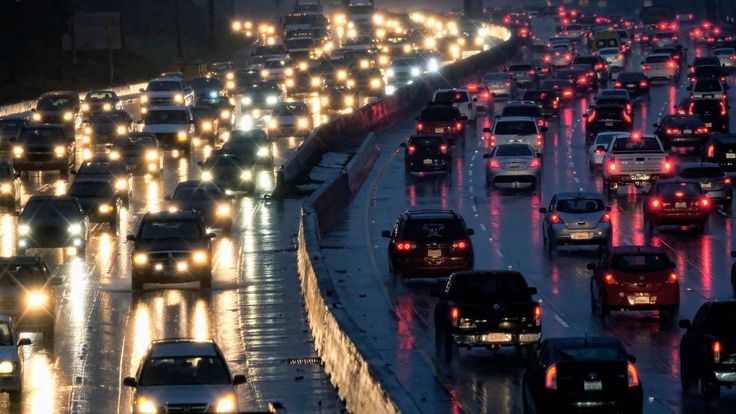
Parañaque City, a dynamic hub in Metro Manila, is facing a severe and worsening traffic congestion crisis. This isn't just anecdotal; the city's rapid urbanization and industrialization have demonstrably led to increased vehicle volume and strained infrastructure. While specific, consistently updated traffic volume data for all of Parañaque's roads is challenging to obtain in real-time, the consequences are evident in the daily struggles of its residents and are reflected in broader Metro Manila traffic trends.
The Verifiable Negative Impacts:
-
Health: While specific TB incidence increases directly attributable to Parañaque traffic lack precise statistical correlation publicly, the broader impact of vehicular emissions on respiratory health in congested urban environments like Metro Manila is well-documented. Studies have shown that prolonged exposure to pollutants like particulate matter (PM2.5 and PM10), nitrogen oxides (NOx), and carbon monoxide (CO), all prevalent in traffic fumes, can exacerbate respiratory conditions. Given Parañaque's high population density of approximately 15,000 people per square kilometer (as of the 2020 census), a significant portion of the population is regularly exposed to these harmful emissions during their commutes. Moreover, the stress of daily gridlock contributes to elevated blood pressure and cardiovascular issues, adding to the public health burden.
-
Economic: The economic costs of Metro Manila's traffic are substantial, and Parañaque, as an integral part of this metropolis, bears its share. A 2023 traffic index placed Metro Manila among the cities with the worst traffic issues globally. This translates to lost productivity as commuters spend significant time stuck in traffic. For instance, studies on Metro Manila traffic indicate that commuters can lose an average of 240 hours per year during rush hours due to congestion. While Parañaque-specific figures for lost productivity are not readily available, its residents commuting within the city and to other parts of Metro Manila undoubtedly contribute to this staggering statistic. Increased fuel consumption and higher public transport fares due to longer travel times also strain household budgets. Furthermore, businesses face delays in deliveries and potential customer deterrence due to unpredictable traffic. Parañaque's strong economic growth of 8.7% in 2023, the highest in NCR, underscores the potential for even greater economic activity if the traffic bottleneck were addressed.
-
Societal: The societal fabric of Parañaque is also frayed by traffic congestion. The hours spent commuting diminish time available for family, social activities, and community engagement. This can lead to increased stress and decreased overall well-being among residents. The frustration of daily gridlock contributes to a lower quality of life. While specific data on delayed emergency response times within Parañaque due to traffic isn't always publicly reported, the general understanding in highly congested urban areas is that heavy traffic inevitably impedes the swift movement of emergency vehicles, potentially putting lives at risk.
Evidence-Based Potential Solutions with Proactive Leadership:
Data-Driven Urban Planning and Infrastructure Development:
-
Intelligent Traffic Systems: Implementing adaptive traffic signal control systems that adjust timings based on real-time traffic flow data collected through sensors and cameras can optimize existing road capacity. Parañaque can learn from cities that have successfully used such systems to reduce congestion by up to 15-20%.
-
Integrated Public Transportation Network: Expanding the current public transport options and ensuring seamless integration between buses, jeepneys, and potential LRT/MRT extensions (if feasible based on ridership data and cost-benefit analysis) is crucial. Cities with well-integrated public transport systems have seen a significant shift from private vehicle use, reducing traffic volume.
-
Investment in Active Transport: Allocating a specific percentage of the transportation budget to create protected bike lanes and pedestrian walkways, based on surveys of residents' willingness to use these modes, can encourage healthier and more sustainable commuting for shorter distances.
Technology-Enabled Traffic Management and Strict Enforcement:
-
Real-Time Traffic Information Systems: Establishing a city-wide system that provides commuters with real-time traffic updates through mobile apps and digital signage can help them make informed decisions about their routes and travel times, potentially分散 traffic.
-
Automated Enforcement: Utilizing CCTV cameras and other technologies to automatically detect and penalize traffic violations like illegal parking and running red lights can improve traffic discipline and flow. Studies have shown that automated enforcement can reduce certain violations by up to 30%.
-
Data Analytics for Enforcement: Using data on traffic violation hotspots to strategically deploy traffic enforcers can maximize their effectiveness in managing congestion.
Additionally, one option is choosing proactive leaders in the local government position who will commit and champion comprehensive traffic studies to identify bottlenecks and optimize solutions. Also, they can advocate for increased investment in training and equipping traffic enforcers and ensure transparent reporting on enforcement effectiveness. Moreover, they can foster partnerships with technology providers to implement and maintain these systems efficiently. Leadership qualities, which some like aspiring vice mayor Florencio ‘Benjo’ Bernabe truly embody.
Addressing Parañaque's persistent traffic woes requires a commitment to data-driven solutions and the election of leaders who will prioritize long-term, evidence-based strategies over short-term fixes. By focusing on comprehensive planning, investing in sustainable infrastructure, leveraging technology, and ensuring effective enforcement, Parañaque can strive towards a future where its residents experience improved health, enhanced economic opportunities, and a better quality of life