
Gen. Poquiz in handcuffs: the price of speaking out
Marijo Farah A. Benitez • Ipinost noong 2026-01-05 16:26:52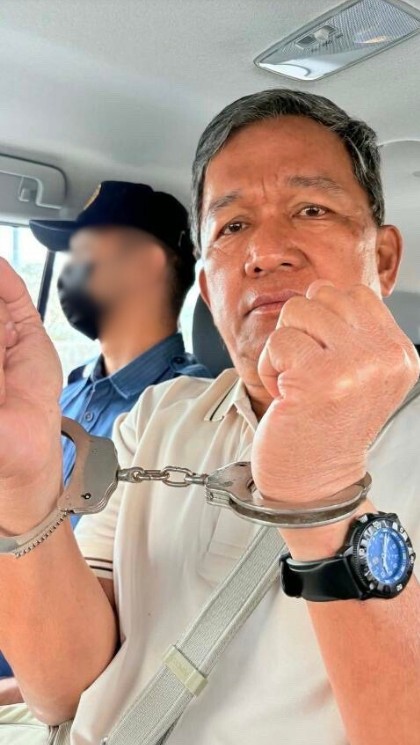
JANUARY 5, 2026 — Retired Air Force General Romeo Poquiz’s arrest at NAIA on Monday has stirred a storm that goes beyond the walls of Camp Crame. Fresh from a family trip to Thailand, Poquiz was nabbed on the strength of a Quezon City RTC warrant for “inciting to sedition.” His supposed crime? Calling for President Ferdinand Marcos Jr. to step down amid the flood control corruption scandal.
Now, let’s pause here. Poquiz didn’t rally soldiers, didn’t mobilize police, didn’t call for rebellion. He simply voiced out what many Filipinos whisper in frustration: that corruption at the highest levels demands accountability. Is that sedition — or is that democracy at work?
At Camp Crame, Poquiz’s lawyers Ferdinand Topacio and Virgilio Garcia cried foul over how police handled the arrest.
Garcia recounted how their team persistently tried to reach Poquiz but were blocked from doing so. He explained that they were deeply concerned about their client’s safety and whereabouts, and ended up scrambling after authorities just to ensure proper handling and transport.
Topacio delivered a harsher criticism, accusing the executive branch of using the Department of Justice as a weapon to go after perceived enemies of the administration. He argued that the government was targeting those who challenge corruption instead of punishing the corrupt themselves.
The CIDG, however, insists due process was followed, with Acting PNP Chief Lt. Gen. Jose Melencio Nartatez Jr. stressing, “It’s not personal.”
But isn’t that the very problem? If dissent is treated as sedition, where does that leave the rest of us who dare to question?
A warning shot at democracy?
This arrest raises uncomfortable questions: Is the government more concerned about silencing critics than addressing corruption? Are we now at a point where speaking truth to power is punishable by law?
And most importantly, what message does this send to ordinary Filipinos who want accountability but fear retaliation?
Poquiz posted bail at P48,000, but the bigger issue remains: In a democracy, should calling out corruption ever be a crime?
When dissent becomes dangerous, democracy itself is the one truly under arrest.
(Image: Atty. Ferdinand Topacio)