
'Mala-CSI:" Barcode on Adhesive Tape Helps Trace Suspect in Woman Placed in Storage Box
Margret Dianne Fermin • Ipinost noong 2026-01-07 08:53:02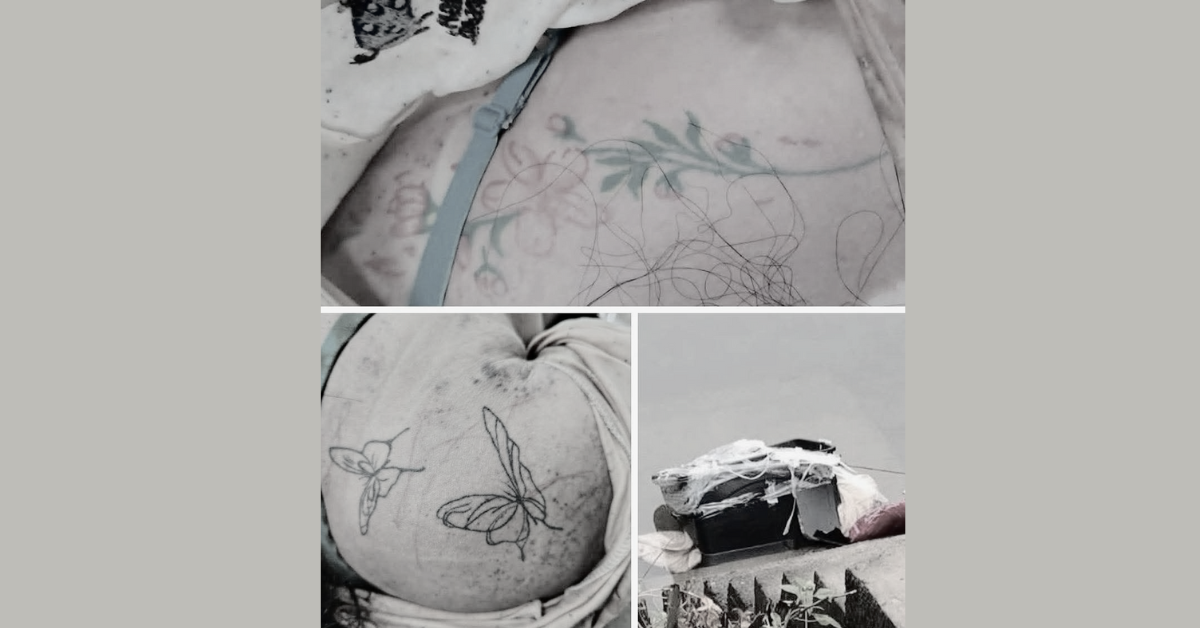
BASUD, CAMARINES NORTE — Police investigators said they were able to identify a person of interest in the killing of a 38‑year‑old woman whose body was discovered inside a plastic storage box, after tracking a barcode on the adhesive tape used to seal the container.
According to a report by GMA Integrated News, the box was loaded as cargo inside a bus in Calamba, Laguna on the night of January 1. The man who brought the box reportedly declared that it contained tools. Hours later, the box was found dumped under the Pinagwarasan Bridge in Basud, Camarines Norte, where authorities discovered the victim’s remains.
Investigators traced the barcode to a store where the suspect was caught on CCTV purchasing the tape around 6 p.m. — three hours before another CCTV camera recorded him at the bus station. Police said this crucial lead allowed them to establish the suspect’s identity and movements.
The victim’s mother told authorities that the person of interest is her daughter’s live‑in partner. Police also recovered a broken glass bottle inside the box, which is being examined as possible evidence.
Local police, in coordination with units in Calabarzon and Bicol, have launched a manhunt for the suspect. A facial composite sketch has also been released to aid in the search.
Authorities stressed that the barcode discovery highlights the importance of forensic detail in solving crimes. “Every small piece of evidence matters. In this case, even a barcode became the key to tracing the suspect,” one investigator said.
The gruesome case has drawn public attention, with residents calling for swift justice and tighter monitoring of bus cargo to prevent similar incidents.
A Barcode and the Weight of Small Clues
A single strip of adhesive tape sealed a plastic storage box. On that tape sat a modest barcode. Nothing flashy. Nothing dramatic. Yet that tiny detail helped police trace a person of interest in the brutal killing of a woman found dead in Camarines Norte.
Investigators followed the simplest trail. They studied CCTV footage, tracked store purchases, matched timelines, and connected movements from Laguna to Bicol. The process demanded patience and discipline. It demanded faith in forensic science.
This case proves how modern investigative tools now shape police work in the Philippines. Barcodes, surveillance cameras, digital records, and careful evidence handling form a new backbone for solving crimes. When technology supports traditional sleuthing, justice moves a step closer.
Law enforcement deserves credit for recognizing the value of a small clue. Many cases collapse because minor details get ignored. Minor details get ignored and leads vanish.
Still, solving crimes after they happen cannot stand as the final goal. Stronger systems for prevention must accompany stronger systems for investigation. Bus terminals, cargo protocols, and community awareness need the same level of attention.
If one barcode could help unravel a gruesome mystery, how many other small pieces of evidence are waiting to be noticed?