
P800/kilo peppers?! Typhoon-resistant farming is here to save the day … and our wallets
Marijo Farah A. Benitez • Ipinost noong 2026-01-05 11:48:07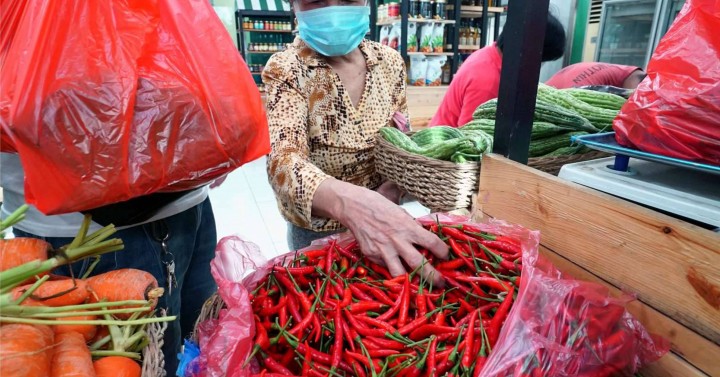
JANUARY 5, 2026 — Remember last September when siling labuyo shot up to P800 a kilo? It was like chili suddenly turned into a luxury item. Many of us felt the burn not just on our tongues but in our wallets. It’s a familiar story: storms wipe out crops, supply shrinks, and boom, prices go wild.
Now the Department of Agriculture (DA) says they’ve got a fix: typhoon-resistant farm infrastructure. Sounds fancy, but basically, they’re talking about greenhouses made from local materials, strong enough to handle floods and winds.
Agriculture Secretary Francisco Tiu Laurel Jr. put it simply: “We need to know how much we consume, how much we produce and where the gaps are.”
What’s interesting here is that sili is being treated like a big deal — no longer just a backyard crop. It’s now a priority, right up there with munggo, which the DA also wants to protect from imports.
Imagine if siling labuyo isn’t just grown mainly in Bicol but also in Pampanga, Batangas, Iloilo, or Mindanao. More farmers, more supply, and hopefully, more stable prices. That means restaurants, food processors, and even your suking carinderia won’t have to panic every time a typhoon hits.
But here’s the catch: Will greenhouses alone solve our food price rollercoaster?
Bell peppers are still at P250 a kilo, munggo prices keep swinging, and consumers are left guessing. The DA promises weekly updates on prices and supply, which is nice, but will that really build trust and establish continuity?
And let’s be real — Filipinos have seen this movie before. The Philippines has a poor track record when it comes to continuity of projects. How many “big solutions” have we seen buried once the next big controversy comes along?
Add corruption into the mix — hint: the flood control scam — and it’s no wonder people are skeptical. Every new project feels like a gamble, and trust is already thin.
But the bigger question is, do we just need stronger infrastructure, or do we need to rethink the whole way we grow, consume, and distribute food? The plan is promising, sure — but it’s also a test of whether the government can really protect us, not just from storms, but from the economic pain that comes after.
After all, food security isn’t just about surviving the storm — it’s about making sure the table stays full after it.
(Image: Philippine News Agency)