
No need to beg for help: DOH ends guarantee letters for indigent patients
Margret Dianne Fermin • Ipinost noong 2026-01-08 09:14:33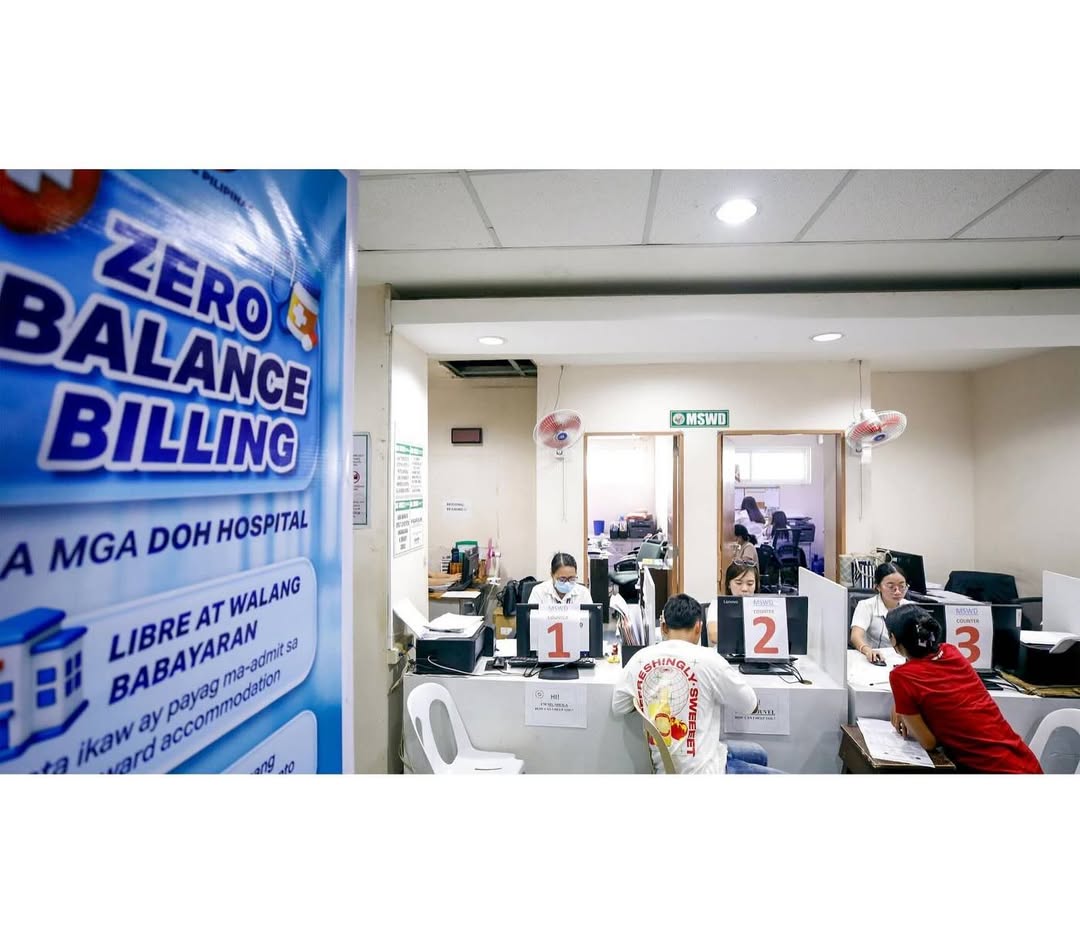
MANILA, January 8, 2026 — The Department of Health (DOH) announced that indigent patients will no longer be required to secure “guarantee letters” (GLs) from lawmakers or local officials to access medical aid in government hospitals.
Health Secretary Teodoro Herbosa explained that the 2026 General Appropriations Act prohibits direct political intervention in granting health assistance. This means patients can now avail themselves of medical services under the Zero Balance Billing (ZBB) Program without needing endorsements from senators, congressmen, or other officials.
“The law actually prohibits a guarantee letter. The law is very clear and we will follow the law,” Herbosa said.
Key Provisions of the Reform
Under Section 19 of the 2026 GAA, all cash assistance and other forms of financial aid must be distributed exclusively by authorized government officers or accredited partners. Politicians, candidates, and their representatives are barred from influencing or participating in the distribution. The law also prohibits political signage, branding, or paraphernalia in aid distribution areas.
President Ferdinand Marcos Jr., upon signing the GAA, emphasized that politicians would be “barred from the distribution of any financial aid, and we shall ensure that the support reaches the intended beneficiaries without patronage.”
The ZBB program ensures that patients admitted to DOH hospitals will not pay for medical services, medicines, or doctors’ fees if confined in basic or ward accommodations. Herbosa clarified that while patients may still seek help from elected officials, GLs are no longer necessary for DOH-funded programs.
The DOH will release updated rules for the Medical Assistance to Indigent and Financially Incapacitated Patients (MAIFIP) program by February 2026. MAIFIP received ₱51.6 billion under the 2026 budget, a 25% increase from the previous year, nearly matching the ₱53.13 billion subsidy for PhilHealth.
Health advocates have long criticized the GL system as a form of “health pork barrel” that fostered patronage politics. Critics argue it turned healthcare into a political favor rather than a citizen’s right.
Senator JV Ejercito, author of the Universal Health Care (UHC) Act, has proposed gradually abolishing MAIFIP, saying PhilHealth should take a larger role as its packages expand.
Patient groups, however, caution against a sudden phase-out. Rey Abacan Jr., president of Dialysis PH Support Group Inc., described GLs as both a lifeline and a burden. He recalled lining up overnight at PCSO and Senate offices to secure letters worth ₱40,000–₱60,000 for dialysis costs. Today, GLs are often worth only ₱3,000–₱5,000 due to high demand.
“It is painful for the patient. Think of it—you are already sick, but you still have to beg,” Abacan said.
While GLs will still be honored temporarily in private hospitals, LGU-run facilities, and state universities until new DOH rules are issued, the government’s long-term goal is to depoliticize healthcare aid and strengthen PhilHealth’s role under the UHC law.
Healthcare Is a Right, Not a Favor
The end of guarantee letters in government hospitals corrects a long-standing distortion in Philippine healthcare. For years, sick Filipinos were forced to knock on political doors just to survive. Treatment came with faces, signatures, and expectations. Care felt borrowed, not owed.
By banning guarantee letters under the 2026 budget, the Department of Health draws a clear line. Medical assistance should come from systems, not senators. From law, not loyalty. From rights, not requests.
The old setup thrived on patronage. Patients lined up overnight, hoping to be noticed. Help often carried an unspoken price: utang na loob. Gratitude today, political return tomorrow. Illness became leverage. Elections became collection season.
That cycle stripped dignity. It trained citizens to beg and politicians to claim credit. Healthcare turned into a favor that could be remembered and repaid.
Zero Balance Billing was meant to end that burden. Without political endorsements, it finally can. Patients focus on healing. Doctors focus on care.
But ZBB hospitals remain limited. Provincial facilities and local health centers still struggle.
So the real question is this: can a system designed for select hospitals truly protect patients nationwide, or will the poor still be forced to beg once they step outside the ZBB network?