
63 super flu cases confirmed, and the nation sneezes with suspicion
Marijo Farah A. Benitez • Ipinost noong 2026-01-12 09:12:44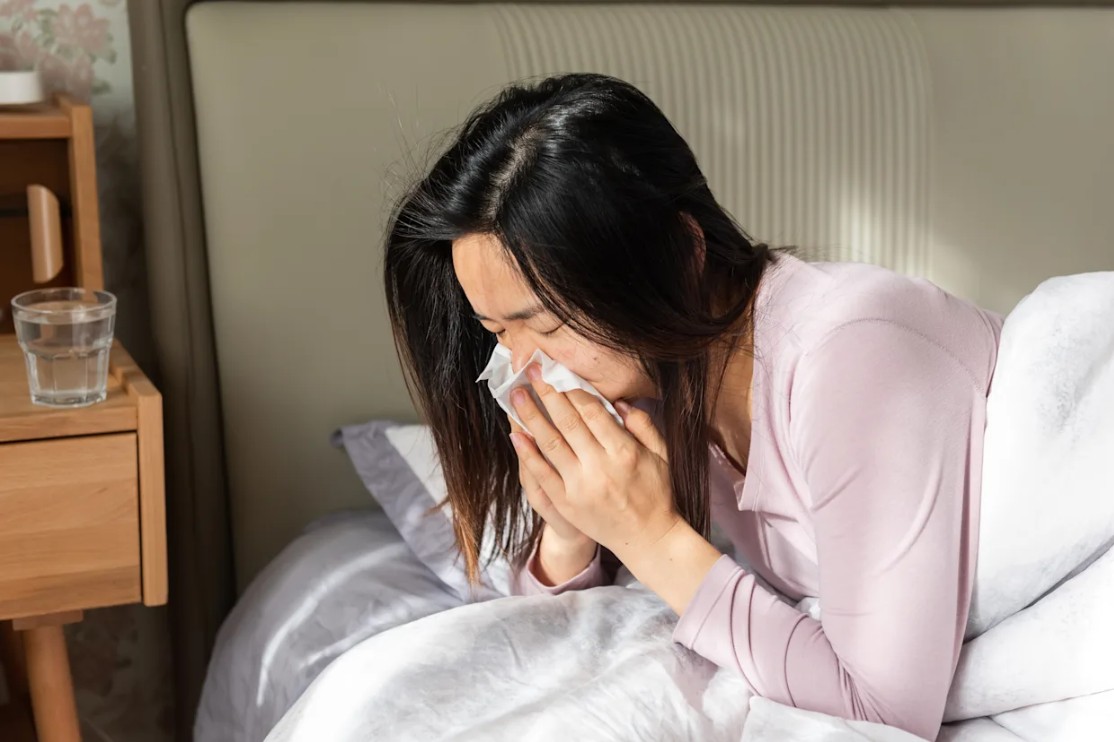
JANUARY 11, 2026 — The Department of Health (DOH) has confirmed 63 cases of the so-called “super flu” in the Philippines, but before panic spreads faster than the virus, here’s the reality check: all patients have already recovered.
DOH spokesperson Albert Domingo explained, “Meron na tayong datos ngayon, all the way until December. 63 yung naibilang natin. Lahat po sila ay buhay, lahat sila ay gumaling na.”
(We now have data until December. 63 were counted. All of them are alive, all of them have recovered.)
So what exactly is this “super flu”?
Domingo clarified: “Yung super flu kasi, sa totoo lang, hindi naman po siya bago. Siya po ay variant ng Influenza A. Trangkaso po ‘yan, sa madaling salita. Matagal na po ‘yan umiikot.”
(The super flu, to be honest, is not new. It is a variant of Influenza A. Simply put, it’s flu. It has been around for a long time.)
Symptoms? The usual suspects: cough, colds, fever, body aches. Nothing new.
But here’s the twist — Filipinos are now hypersensitive to anything flu-like. After Covid and the recent flu season that forced schools to shut down for disinfection, every sneeze feels suspicious. Parents worry, workplaces brace for absences, and communities wonder if another wave of illness is lurking.
Domingo reminded the public that not all sniffles are the flu.
“Ang mahalaga pong tandaan, lalo na sa ganitong panahon — Enero sa Pilipinas — kapag nagbago ang panahon, maaaring mairita ang ilong at lalamunan. Kaya nagkakaroon ng sipon at sore throat. Hindi naman nangangahulugan na flu agad.”
(What’s important to remember, especially during this season — January in the Philippines — when the weather changes, the nose and throat can get irritated. That’s why we get colds and sore throat. It doesn’t immediately mean flu.)
Still, the paranoia is real. Should we treat every cough as a crisis? Or should we learn to distinguish between seasonal allergies, mild viruses, and actual influenza?
The DOH insists that mask-wearing is precautionary, not a sign of worsening danger. Yet for many, precaution feels like déjà vu.
The bigger question is how we, as a nation, respond. Do we let fear dictate our daily lives, or do we embrace vigilance with wisdom? Because while the “super flu” may not be new, our collective reaction to it will define how resilient we truly are.
The cure we need most is perspective, and the real test is whether we can face illness with wisdom instead of fear.
What about you? Do you count yourself in the paranoid camp that treats every sniffle as a crisis, or are you part of the growing number who’ve learned to balance caution with common sense?
(Image: Yahoo Life UK)