
Chantal Anicoche, is she just a youth researcher?
Robel A. Almoguerra • Ipinost noong 2026-01-12 00:00:03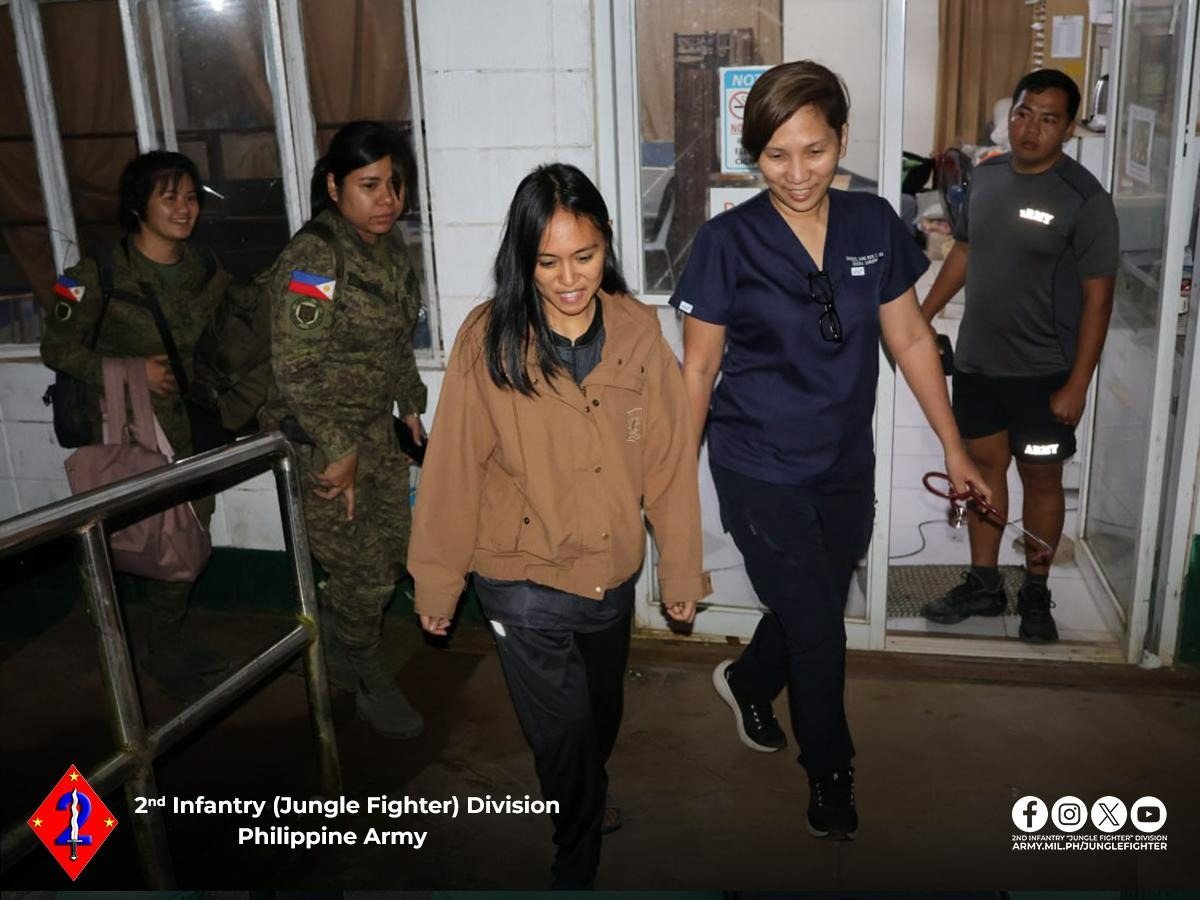
MANILA, Philippines — The Kabataan Partylist has renewed its call for the immediate and safe release of Chantal Anicoche, a Filipino-American community leader currently under military custody, stressing that she is merely a “youth researcher” with no involvement in any armed struggle. The group sought to clarify Anicoche’s role amid growing concern from various sectors over her situation.
According to Kabataan Partylist, Anicoche was in Barangay Cabacao, Abra de Ilog, Occidental Mindoro to conduct research when an operation by the Armed Forces of the Philippines (AFP) reportedly took place in the area. The group claimed that the operation allegedly involved strafing and bombing, raising alarm over the safety of civilians present at the time. They argued that Anicoche’s presence in the community was purely academic and community-oriented, aimed at gathering data relevant to youth and local conditions.
Human rights advocates and allied organizations echoed the call, urging authorities to return Anicoche to her family without harm and to ensure that her rights are fully respected. They also demanded a thorough investigation into the reported military operation and its impact on the local community, emphasizing the need for accountability to prevent similar incidents in the future.
Beyond the individual case, the situation has sparked wider discourse on the safety of civilians, researchers, and humanitarian workers operating in rural and conflict-affected areas. Critics warn that heightened militarization can blur the line between combatants and civilians, placing non-combatants at risk and discouraging legitimate research and community work. Supporters of military operations, however, argue that security forces are acting within their mandate to maintain peace and order. As public attention grows, Anicoche’s case has become symbolic of a broader concern: how the state balances security operations with the protection of civil liberties. In the end, one question lingers—can a society claim to uphold democratic values if civilians conducting research are treated as threats rather than protected citizens? (Larawan: 2nd Infantry "Jungle Fighter" Division, Philippine Army / Facebook)