
Public trust or public fatigue? — Do Filipinos still believe in Ferdinand Marcos Jr. and Sandro Marcos?
Robel A. Almoguerra • Ipinost noong 2026-01-11 23:47:01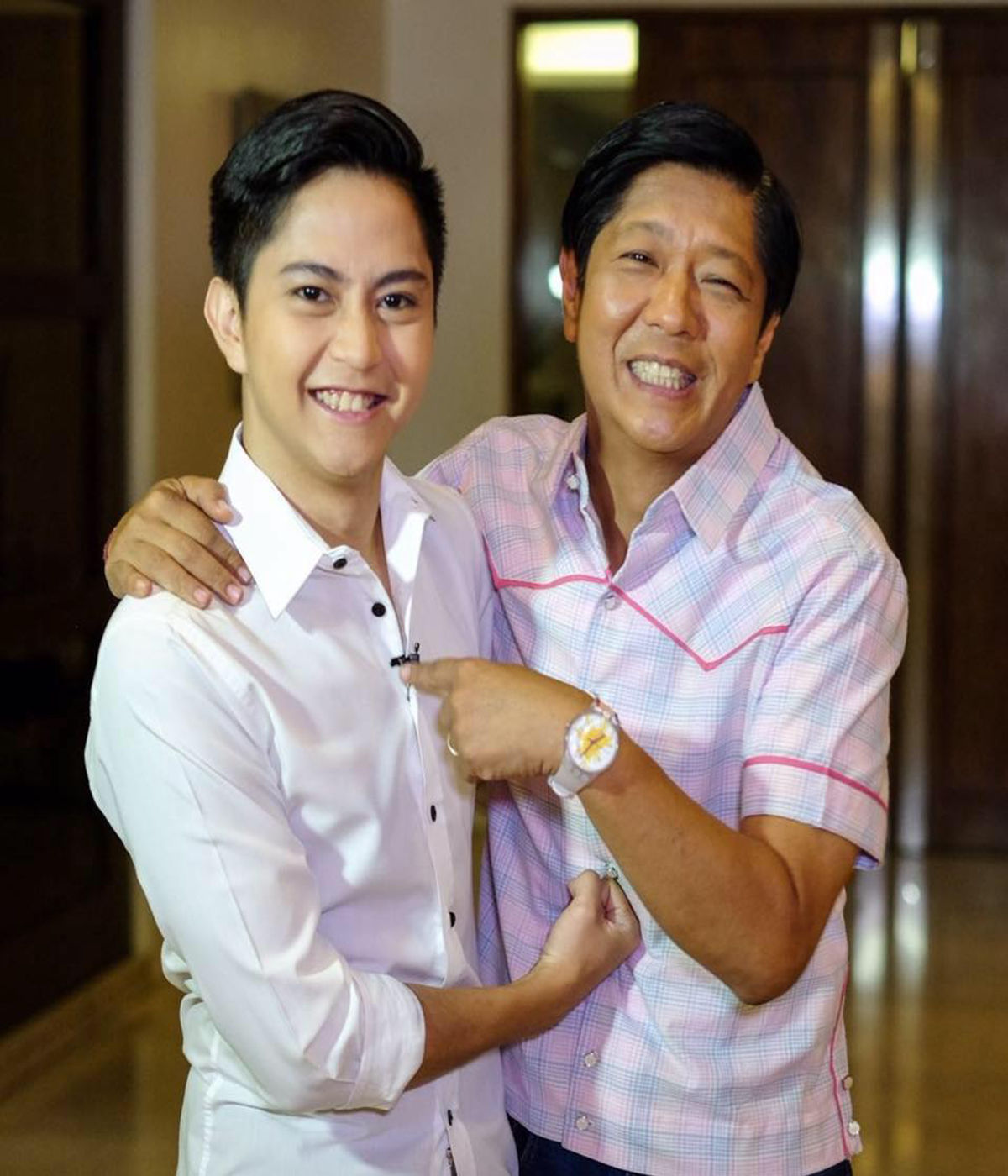
MANILA, Philippines — Despite persistent criticism and negative campaigns, a renewed question has gained traction on social media: does public trust in President Ferdinand Marcos Jr. and Ilocos Norte Representative Sandro Marcos remain strong? The discussion resurfaced following a viral post calling for a simple but provocative survey asking netizens to choose between “trust” or “reject,” a framing that quickly drew widespread reactions and revealed sharply divided public opinion.
The post, though informal and unscientific, underscores how social media has become a powerful barometer of political sentiment. Supporters view the continued engagement as proof that the Marcos name still commands confidence among a significant segment of the population. Critics, on the other hand, see the backlash and hostile responses as signs of growing dissatisfaction and fatigue, particularly amid ongoing political noise and unresolved national concerns.
This online discourse reflects a deeper reality: Filipinos remain highly engaged in judging their leaders, even outside formal polling institutions. In an era where trust is increasingly shaped by perception, digital narratives, and viral content, public opinion can shift rapidly—sometimes fueled more by emotion and symbolism than policy outcomes. The divide also highlights generational and ideological differences, especially as younger voters become more vocal in scrutinizing leadership styles, transparency, and accountability.
From a broader perspective, the viral “trust or reject” call raises questions about how leadership credibility is measured today. While formal surveys rely on methodology and data, social media thrives on immediacy and sentiment. Both, however, point to the same truth: public trust is never static. It must be earned continuously through performance, integrity, and responsiveness.
As political debates intensify and online spaces grow louder, one thing is clear—the public has not disengaged. Instead, it is watching, reacting, and judging in real time. In the end, the question remains: in a country where trust can go viral overnight, what truly sustains public confidence in political leaders? (Larawan: Sandro Marcos / Facebook)