
Sarah Discaya pleads not guilty in ₱96.5M ghost flood project case - Why is she this confident?
Margret Dianne Fermin • Ipinost noong 2026-01-13 12:18:51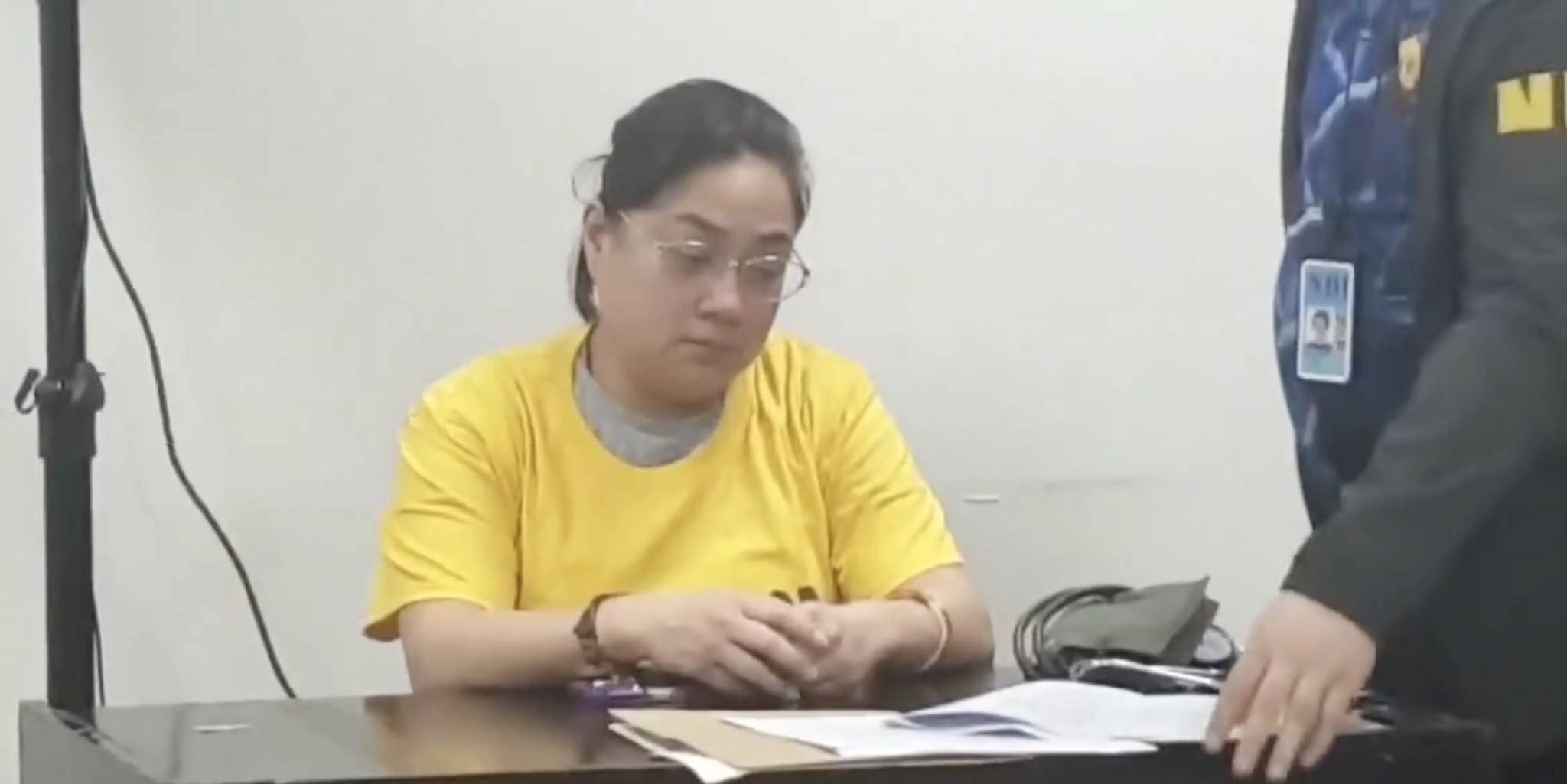
DAVAO CITY — January 13, 2026. Businesswoman and contractor Sarah Discaya, along with eight other accused, pleaded “not guilty” to graft and malversation charges filed against them in connection with the alleged ₱96.5 million ghost flood control project in Davao Occidental.
The arraignment took place on Tuesday, with Discaya and her co‑accused appearing before the Sandiganbayan. The charges stem from findings that public funds were disbursed for flood control projects that were either incomplete or non‑existent, raising suspicions of large‑scale corruption.
Discaya, dubbed by investigators as a “super contractor,” was arrested by the National Bureau of Investigation (NBI) in December 2025 after President Ferdinand Marcos Jr. ordered the issuance of warrants of arrest against her and nine others. She has since been detained while undergoing trial procedures.
The NBI confirmed that Discaya was served her warrant of arrest on December 18, 2025, and was subjected to standard arrest protocols, including the reading of her Miranda rights and a mandatory physical examination.
The Office of the Ombudsman filed multiple counts of graft and malversation of public funds against Discaya and her co‑accused. Prosecutors allege that the group conspired to siphon off millions of pesos through ghost projects, with documents and audit reports showing irregularities in project implementation.
During the arraignment, all nine accused denied the charges. Discaya’s legal team maintained that she had no involvement in the alleged anomalies, insisting that the accusations were politically motivated.
Broader Flood Control Scandal
The Davao Occidental case is part of a wider flood control scandal that has rocked the Department of Public Works and Highways (DPWH). Several former DPWH engineers, including Henry Alcantara and Brice Hernandez, have testified before the Senate Blue Ribbon Committee about ghost projects and irregularities in flood control programs.
The scandal has triggered parallel investigations by the Office of the Ombudsman and the Department of Justice (DOJ), with authorities vowing to hold accountable those found guilty of misusing public funds.
The Sandiganbayan has set pre‑trial proceedings to determine the admissibility of evidence and witness testimonies. If convicted, Discaya and her co‑accused face significant prison terms and perpetual disqualification from holding public office or engaging in government contracts.
The case has drawn national attention as one of the largest corruption scandals in recent years, underscoring the urgent need for transparency and accountability in infrastructure spending.
Denying What Everyone Can See
It is chilling to hear a “not guilty” plea when the evidence feels painfully visible. Flooded communities. Substandard DPWH projects that crumble under rain. Ghost flood control works paid for but never built. These are not abstract allegations. They are realities Filipinos live with every storm season.
Sarah Discaya’s plea may be a legal right, but it highlights a deeper problem. Corruption has grown so normalized that denial comes easily, even when audit reports, testimonies, and damaged infrastructure point in the same direction. Confidence in court contrasts sharply with suffering on the ground.
When public funds vanish and floods remain, disbelief turns into anger. The question now is not just about guilt, but consequence. If overwhelming evidence still meets denial, what will it take for accountability to finally break through?