
PHIVOLCS warns of lahar flows at Mayon amid Storm Ada
Margret Dianne Fermin • Ipinost noong 2026-01-16 09:25:13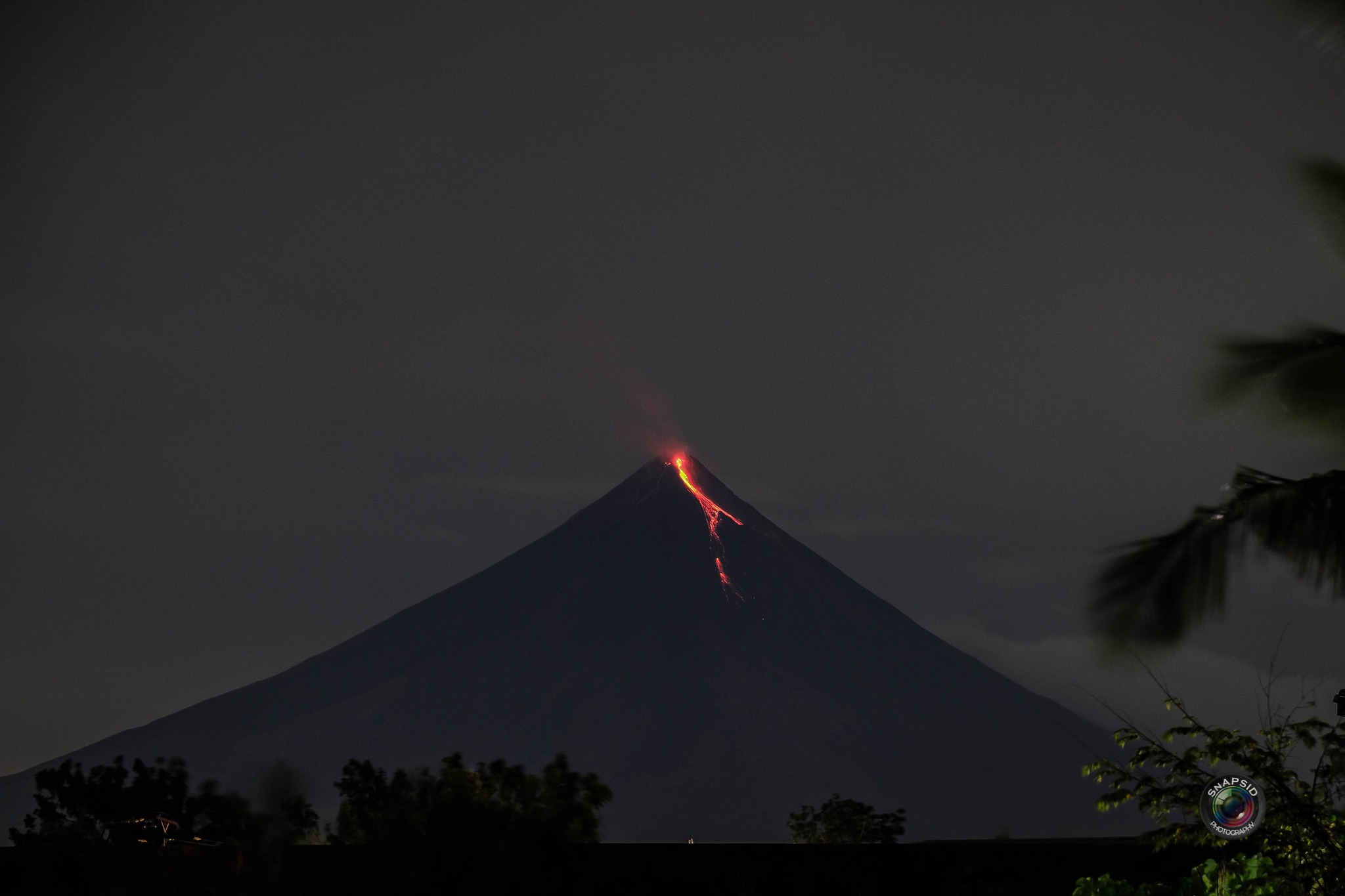
January 16, 2026 – Legazpi City, Albay. The Philippine Institute of Volcanology and Seismology (PHIVOLCS) has warned of possible lahar flows around Mayon Volcano as Tropical Storm “Ada” continues to dump heavy rains across the Bicol region.
The agency said rainfall from Ada could remobilize volcanic debris from Mayon’s ongoing effusive eruption, sending fast-moving mudflows down river channels and endangering nearby communities.
Mayon Volcano remains under Alert Level 3, with lava effusion and dome-collapse pyroclastic density currents recorded earlier this month. PHIVOLCS explained that intense rainfall, estimated at 100–200 millimeters, could mix with fresh volcanic deposits and generate syn-eruption lahars along major channels draining the southern and eastern slopes of the volcano.
These include the Miisi, Binaan, Mabinit, Matanag, Buyuan, Padang, Lidong, and Basud river systems, which pass through the municipalities of Daraga, Sto. Domingo, Guinobatan, and Legazpi City.
Local disaster officials have already ordered the evacuation of more than 2,000 families, or 6,723 individuals, from villages within the 7- to 8-kilometer danger zone. Guinobatan Municipal Disaster Risk Reduction and Management Office chief Joy Maravillas confirmed that residents from Maninila and Masarawag were moved to safer areas as a precaution.
PHIVOLCS Director Teresito Bacolcol emphasized that while storms like Ada do not directly affect volcanic activity, they can trigger secondary hazards. “Heavy rainfall may generate volcanic sediment flows or muddy run-off in rivers and drainage areas of Mayon Volcano. Communities in pre-determined lahar zones must remain vigilant,” Bacolcol said.
The warning comes as PAGASA forecasts Ada to continue affecting Southern Luzon until January 17, with widespread rains expected in Albay and neighboring provinces. Authorities urged residents to stay alert for sudden river swelling, mudflows, and flash floods, especially in low-lying areas.
The Bicol region has a history of deadly lahar events, most notably during Typhoon Reming in 2006, when heavy rains triggered massive mudflows from Mayon that buried villages and killed hundreds. Officials stressed that lessons from past disasters highlight the importance of early evacuation and strict adherence to danger zone restrictions.
For now, PHIVOLCS and local governments are closely monitoring Mayon’s activity and the impact of Ada’s rains. Evacuees are being housed in temporary shelters, while rescue teams remain on standby for possible emergencies.
Warnings Are Useless If Communities Are Left to Decide Alone
PHIVOLCS has issued clear warnings about lahar risks around Mayon as heavy rains continue. The science is precise, the danger zones mapped, the rivers named. Yet warnings alone do not move people out of harm’s way.
Evacuation orders work only when backed by enforcement, ready shelters, food, transport, and sustained presence. Asking families to decide for themselves, in the dark and under pressure, shifts responsibility from institutions to fear.
Mayon does not need to erupt violently to kill. Rain, ash, and gravity are enough. The region has seen this before, with lives lost when caution arrived late. The stakes are immediate.
If the state knows the risk, who carries the burden of safety when evacuation becomes optional rather than assured?
Image from Sidney Recato