
Scholarships for the chosen few: will Bagong Pilipinas really deliver?
Marijo Farah A. Benitez • Ipinost noong 2026-01-23 18:53:53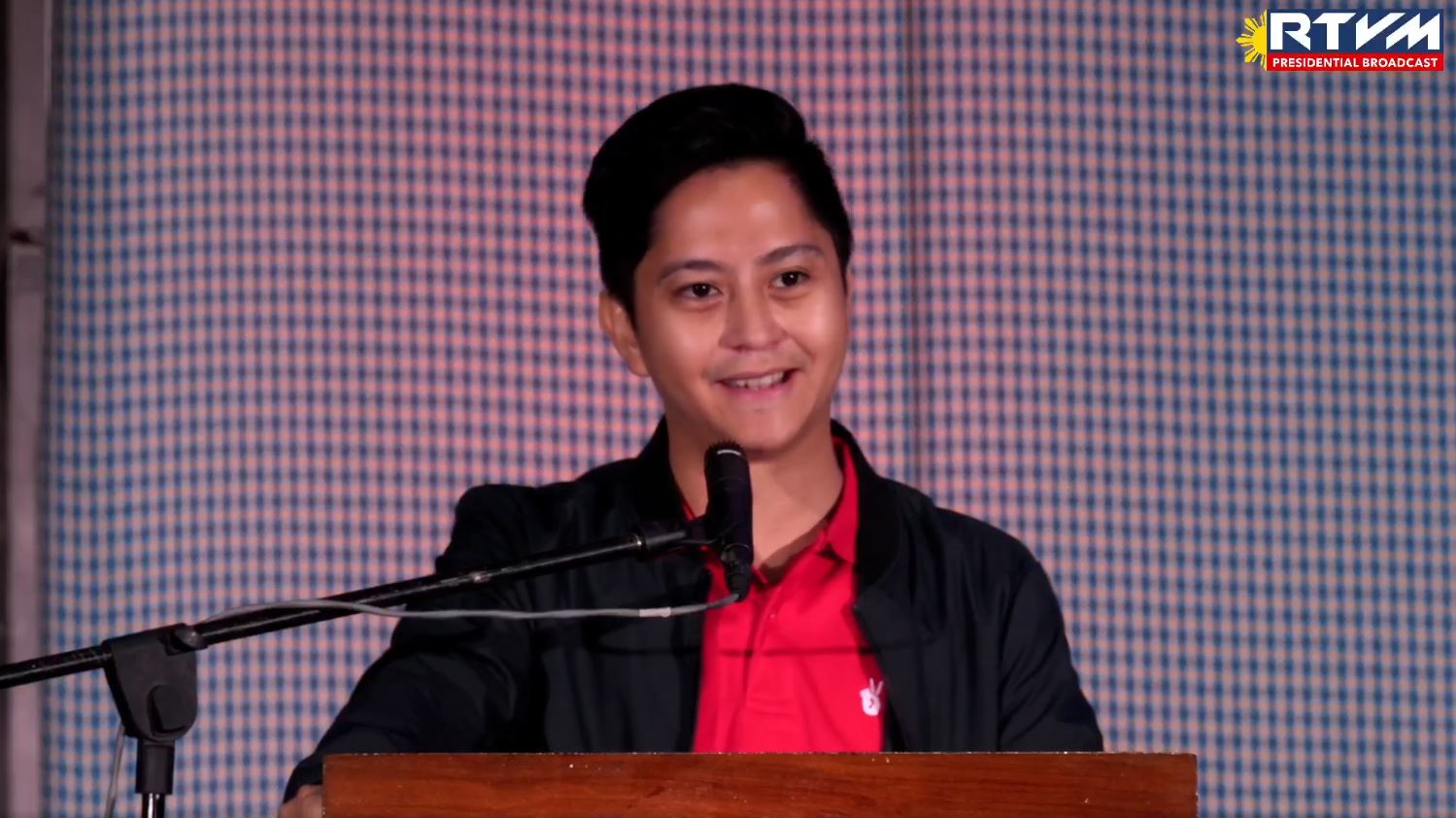
JANUARY 23, 2026 — The Marcos administration has rolled out the Bagong Pilipinas Merit-Based Scholarship Program (BPMSP), promising to reward the top five graduates of every senior high school nationwide with a shot at higher education or technical-vocational training.
On paper, it sounds like a dream — finally, a system that recognizes merit and opens doors for the brightest students. But let’s pause for a moment: will this really change the game, or is it another headline-grabbing initiative that risks leaving the rest behind?
President Ferdinand “Bongbong” Marcos Jr., through Ilocos Norte Rep. Sandro Marcos, declared: “These programs shall be aligned with our national priority sectors based on our country's real and urgent needs that, if left unaddressed, would hold back national development.”
Lofty words — but how do we ensure that these scholarships don’t just benefit a select few while the majority continue to struggle with access, resources, and quality?
Alongside BPMSP, the government launched Project PEPA, aimed at informing families under the Pantawid Pamilyang Pilipino Program (4Ps) about education opportunities.
Marcos emphasized, “Because when families are informed, they are empowered. When students know what is available, they can plan their future with confidence.”
This initiative targets nearly 490,000 graduates from 4Ps households — a massive number that could reshape communities if executed well. But again, how effective will this caravan be in reaching remote areas where information flow is often slow and unreliable?
CHED also unveiled CHED-TANAW, a data visualization platform meant to guide students toward legitimate institutions. Transparency is welcome, but will a digital platform truly reach those who don’t even have stable internet access? Or will this end up being another tool that benefits the already-connected middle class?
Filipinos have long been promised reforms in education, yet classrooms remain overcrowded, teachers underpaid, and students under-equipped. Scholarships are great, but they are not the whole solution. The bigger challenge is making sure every Filipino child — not just the top five — has a fair shot at a future.
Education is not just about opportunity for the few; it is about justice for the many. If only the “best” are rewarded, what happens to the millions of students who are simply trying to survive the system?
(Image: Presidential Communications Office)