
Palace labels Marcos Jr. diverticulitis surgery posts as fake
Margret Dianne Fermin • Ipinost noong 2026-01-26 17:44:24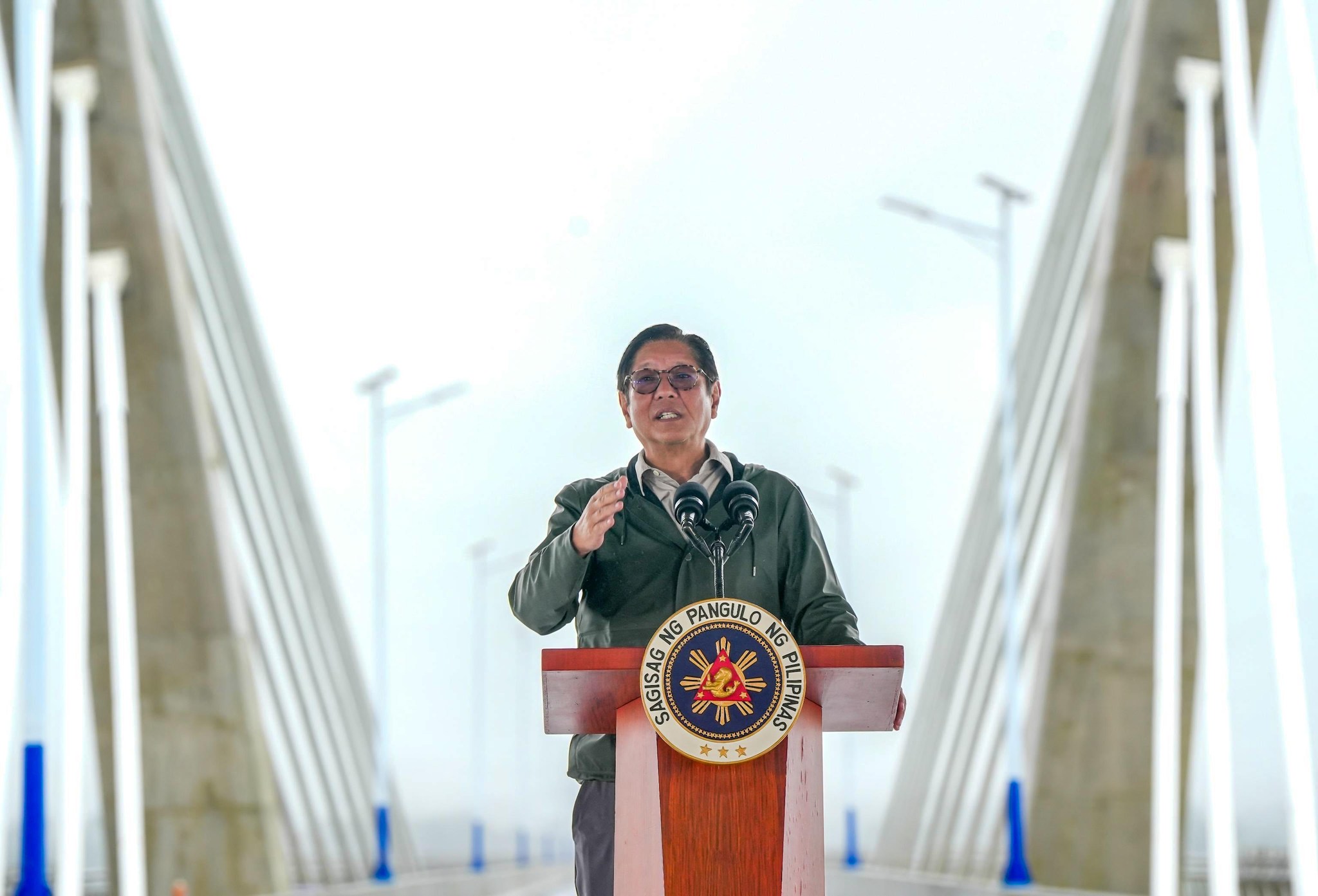
MANILA, Philippines, January 26, 2026 — The Presidential Communications Office (PCO) on Monday categorically denied social media posts alleging that President Ferdinand Marcos Jr. was scheduled for surgery due to diverticulitis.
Palace Press Officer Undersecretary Claire Castro told reporters that the reports were baseless and misleading. “Wala pong ganoong balita na maibibigay po tayo dahil ngayon po, ang Pangulo ay nasa meeting. So, iyan po ay fake news,” Castro said during a press briefing.
She added that the President’s current activities would soon be made public to dispel doubts about his health. “’Yung pagmi-meeting po ngayon malamang po ay maipo-post po ito para maipakita natin na ang Pangulo po ay nasa maayos na kondisyon,” Castro explained.
The Palace clarified that Marcos Jr. had been placed under medical observation last week after experiencing discomfort linked to diverticulitis, a condition involving inflammation of bulging pouches in the large intestine. He was discharged after precautionary monitoring and has since resumed his official duties.
The rumors of surgery quickly spread across social media platforms, prompting concern among supporters and critics alike. Malacañang emphasized that misinformation about the President’s health not only misleads the public but also undermines confidence in government stability. “Sa ngayon po ay masasabi nating maganda po ang kalagayan ng ating Pangulo dahil siya po ay kasalukuyang nasa meeting,” Castro reiterated.
This is not the first time Marcos Jr.’s health has been the subject of speculation. Last week, he released a video statement confirming that he had undergone medical checks but assured Filipinos that he was recovering well. The Palace has since maintained transparency about his condition, while warning against the spread of unverified information.
Political analysts note that health rumors surrounding national leaders can have significant implications, particularly in financial markets and governance. By swiftly labeling the surgery reports as “fake news,” Malacañang sought to reassure the public and international observers that the President remains capable of fulfilling his duties.
As of Monday, Marcos Jr. continues to preside over meetings in Malacañang, with officials expected to release photos and videos of his engagements to further confirm his well-being. The Palace reiterated its call for responsible reporting and urged the public to rely only on verified government statements regarding the President’s health.
Governing in the Age of Instant Doubt
A rumor about presidential surgery spread faster than facts, forcing Malacañang to deny claims while the President was already back at work. This is modern governance, where leadership competes not just with crises, but with algorithms that reward suspicion.
Supporters argue swift denial and visibility are necessary defenses. In a digital landscape fueled by clicks, silence is interpreted as weakness. Proof must be shown, not assumed.
But constant rebuttal has a cost. When leaders must endlessly perform wellness to counter speculation, governance risks becoming reactive theater. In an age where doubt goes viral by default, how can authority govern decisively without being trapped in permanent damage control?