
Buried Remnants of War: What do recovered WWII bombs in Davao mean for public safety?
Robel A. Almoguerra • Ipinost noong 2026-01-27 23:45:48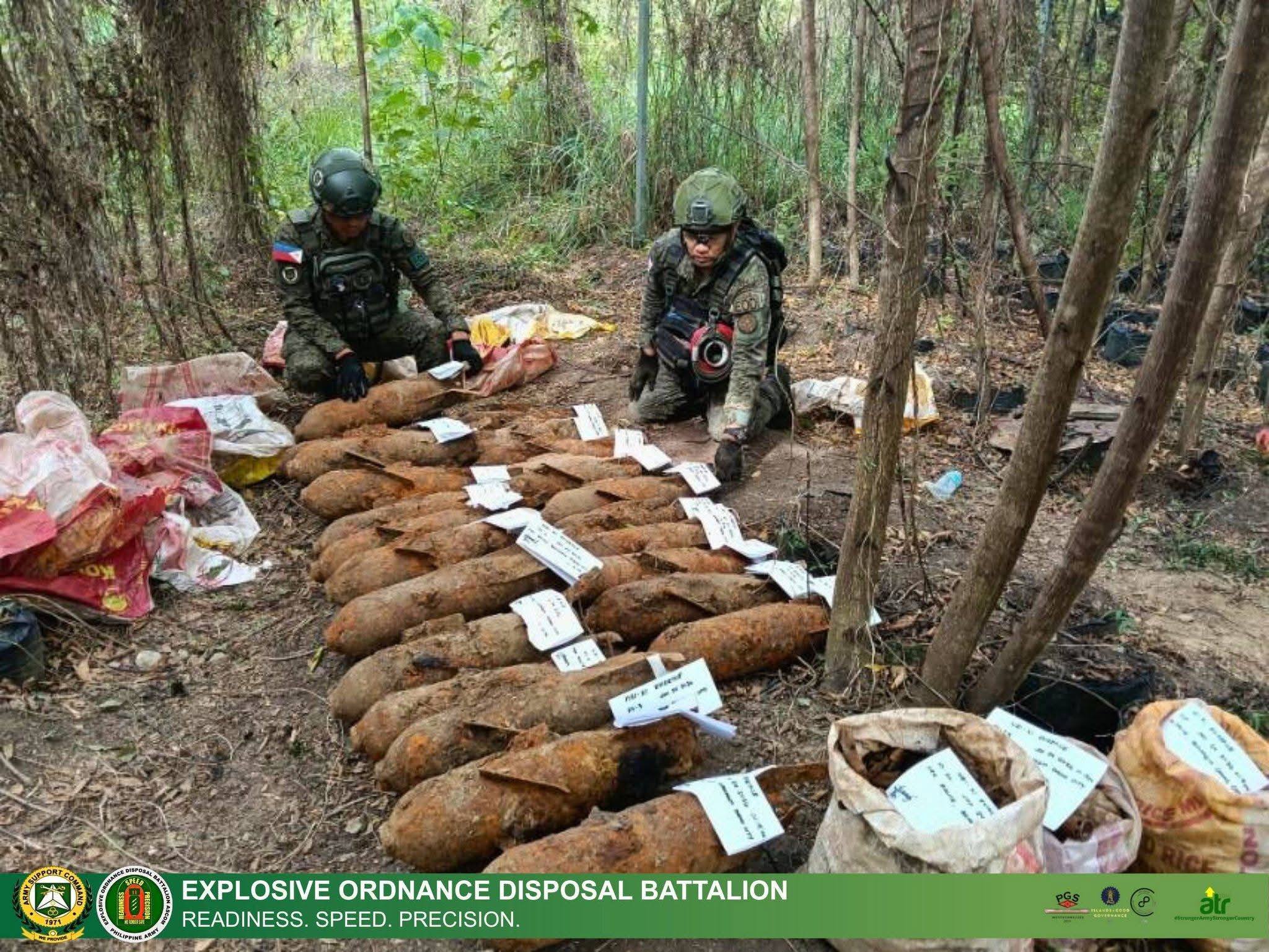
DAVAO CITY — More than eight decades after World War II officially ended, its dangerous remnants continue to resurface—quite literally—beneath Philippine soil. In Davao City, personnel from the 3rd Explosive Ordnance Disposal (EOD) Platoon of the Philippine Army recently recovered 23 unexploded bombs in Balite, Barangay Buhangin, a discovery that highlights how history can remain a present-day threat.
According to military reports, the recovered ordnance included Type 99, No. 3, Mark 3 bombs used by the Japanese Navy during World War II. Though heavily aged, experts warned that these explosives were still highly dangerous. Time does not necessarily render bombs harmless; corrosion, unstable components, and environmental exposure can make old munitions even more unpredictable. Recognizing the risk, the EOD team promptly secured, processed, and neutralized the bombs to prevent any harm to nearby communities.
This incident is more than a routine military operation—it is a reminder of the long shadow cast by war. Davao, like many parts of the Philippines, was once a battleground, and remnants of that violent past remain buried under growing cities and neighborhoods. As urban development expands and construction activities dig deeper into the ground, the chances of uncovering unexploded ordnance increase, putting civilians at risk.
The discovery also raises questions about public awareness and preparedness. Many residents may be unaware that beneath their homes, farms, or roads could lie deadly relics of history. While the swift response of the Philippine Army deserves recognition, prevention and education are equally vital. Local governments and communities must work together to ensure proper reporting, coordination, and safety protocols when suspicious objects are found. Ultimately, these recovered bombs force us to confront an uncomfortable truth: wars may end on paper, but their consequences can persist for generations. As we continue to build toward the future, how much of our past—especially its dangers—are we still unknowingly standing on? (Larawan mula sa: Explosive Ordnance Disposal Battalion, Support Command / Facebook)