
DOJ drops excise tax cases vs Discaya couple —Why skepticism remains
Margret Dianne Fermin • Ipinost noong 2026-02-02 19:22:41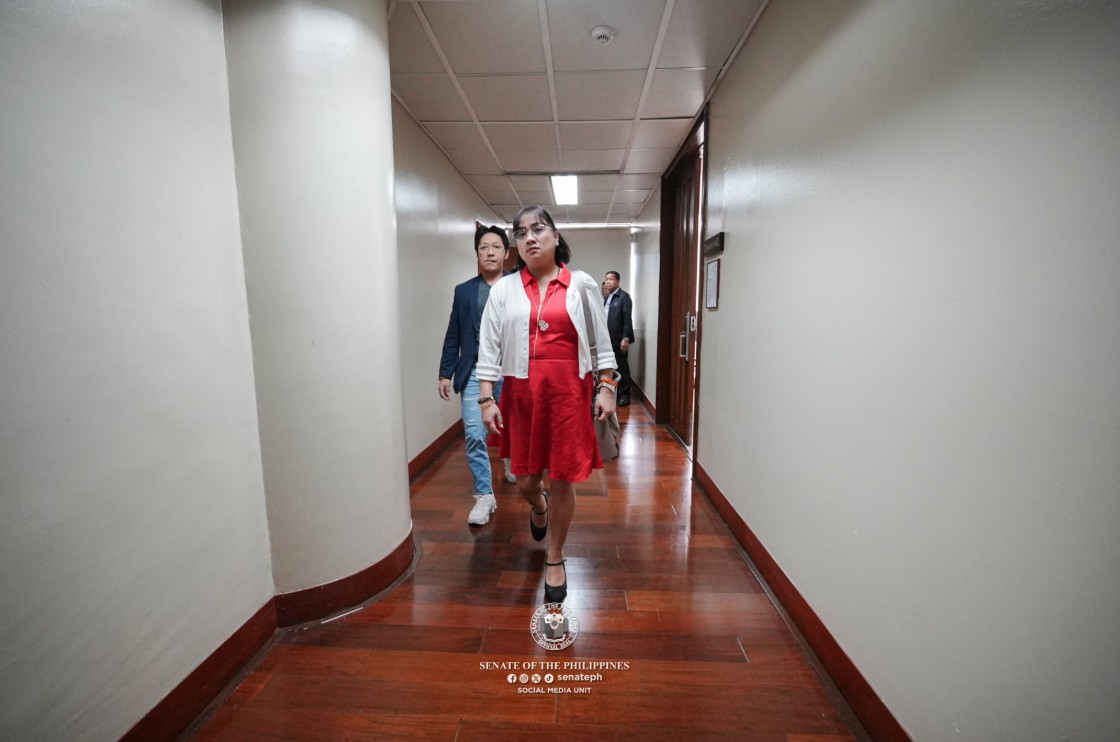
The Department of Justice (DOJ) has dismissed three excise tax complaints against contractor couple Curlee and Sarah Discaya and several others, ruling that they were not liable since they were not the importers of the luxury vehicles involved. The DOJ clarified that excise tax responsibility rests solely with the actual importer.
MANILA, Philippines — Justice spokesperson Polo Martinez announced on February 2, 2026, that prosecutors junked the complaints filed by the Bureau of Internal Revenue (BIR) against the Discayas and other respondents. The cases involved several high-end vehicles, including a Land Rover/Range Rover and Cadillac Escalade in one complaint, a Land Rover and Mercedes-Benz in another, and a separate Mercedes-Benz in the third.
Martinez explained that the DOJ panel found no basis to hold the Discayas accountable. “Nakita po ng panel na hindi po importer sila Sarah and Curlee and so they were not liable for non-payment of excise tax. Ang may liability po magbayad ng excise tax would be ‘yung nag import talaga. Kung kanino binili ang mga kotse,” he said. Prosecutors emphasized that excise taxes are imposed on the act of importation, not on subsequent buyers of the vehicles.
The dismissal comes amid heightened scrutiny of the Discaya couple, who have been linked to controversies involving government contracts and were previously summoned to Senate inquiries. Despite these issues, the DOJ stressed that the excise tax complaints lacked merit since the couple did not directly import the vehicles.
Prosecutor General Richard Anthony Fadullon confirmed that the complaints were evaluated thoroughly before being dismissed. He noted that while the BIR had filed five excise tax-related cases, three have now been dropped due to valid defenses raised by the respondents.
The DOJ’s ruling underscores the importance of distinguishing between importers and subsequent buyers in tax enforcement. Legal experts point out that excise tax liability is strictly tied to the act of importation, meaning that only those who bring the vehicles into the country are responsible for paying the tax.
This development is expected to ease pressure on the Discayas, though they continue to face public scrutiny over their alleged involvement in irregularities in public works projects. The DOJ clarified that the dismissal of these excise tax cases does not affect other ongoing investigations.
Cleared in Court, Not in Public Opinion
The DOJ’s dismissal draws a clean legal line. The law says excise tax liability belongs to the importer, not the buyer. On paper, that ends the matter. In public, it rarely does. Legal clarity does not automatically restore trust, especially when names are already tied to controversy.
Courts decide facts and statutes. Public judgment weighs patterns, power, and perception. When outcomes favor those under scrutiny, suspicion lingers, even if the ruling is sound. Acquittal answers the charge, not the doubt.
This gap exposes a deeper tension. Justice can be correct and still feel incomplete to citizens watching from the outside. When legal innocence fails to convince, is the problem a misunderstanding of the law, or erosion of trust in who the law seems to protect?