
BSP warns vs melting and defacing coins — harmless prank, criminal act?
Margret Dianne Fermin • Ipinost noong 2026-02-06 10:51:13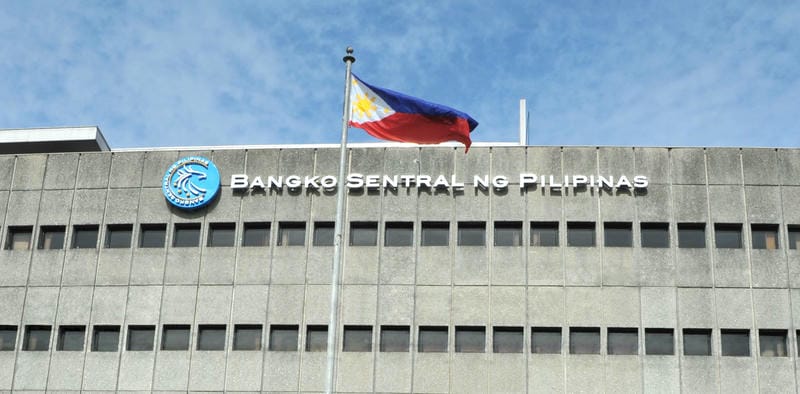
The Bangko Sentral ng Pilipinas (BSP) has reminded the public that melting, defacing, or destroying Philippine coins is punishable by law, with violators facing up to five years in prison and fines of up to P20,000 under Presidential Decree No. 247.
MANILA, Philippines — In an advisory released this week, the BSP warned against acts such as melting coins for their metal content or damaging commemorative coins, stressing that these are unlawful under existing regulations. “Binibigyang-diin ng BSP na nararapat gamitin ang mga barya bilang pambayad sa pang-araw-araw na transaksyon. Samantala, ang mga commemorative coin ay para gunitain ang mga mahahalagang kaganapan, lugar, at makabuluhang tao sa kasaysayan ng Pilipinas,” the central bank said.
The BSP emphasized that coins are legal tender and must be used responsibly. Commemorative coins, in particular, are issued to honor significant events, landmarks, and legacies of esteemed Filipinos. Destroying or altering them undermines their cultural and historical value.
Under Presidential Decree No. 247, it is unlawful to “willfully deface, mutilate, tear, burn, or destroy Philippine currency issued by the BSP.” Violators may face imprisonment of up to five years and a fine not exceeding P20,000. The BSP urged the public to help safeguard the integrity of the Philippine currency by using coins only for their intended purpose.
Authorities have previously filed cases against individuals caught damaging coins, highlighting that enforcement of the law is active. The BSP reiterated that protecting the integrity of the currency is essential to maintaining trust in the financial system and ensuring smooth everyday transactions.
Currency Integrity Is Public Discipline
Coins look disposable because they are small, but they carry institutional weight. When people melt, deface, or destroy currency, the act is not just vandalism, it challenges the state’s ability to maintain trust in legal tender.
The BSP’s reminder reflects how financial systems rely on collective compliance. Currency only works when the public treats it as stable and legitimate, not as scrap metal or novelty items. Even commemorative coins hold value because society agrees to respect their purpose.
If citizens treat money as disposable, how strong can trust in the system remain when value depends on shared discipline?