
DOST-SEI cuts 2026 scholar slots —talent rising, support shrinking?
Margret Dianne Fermin • Ipinost noong 2026-02-06 10:51:10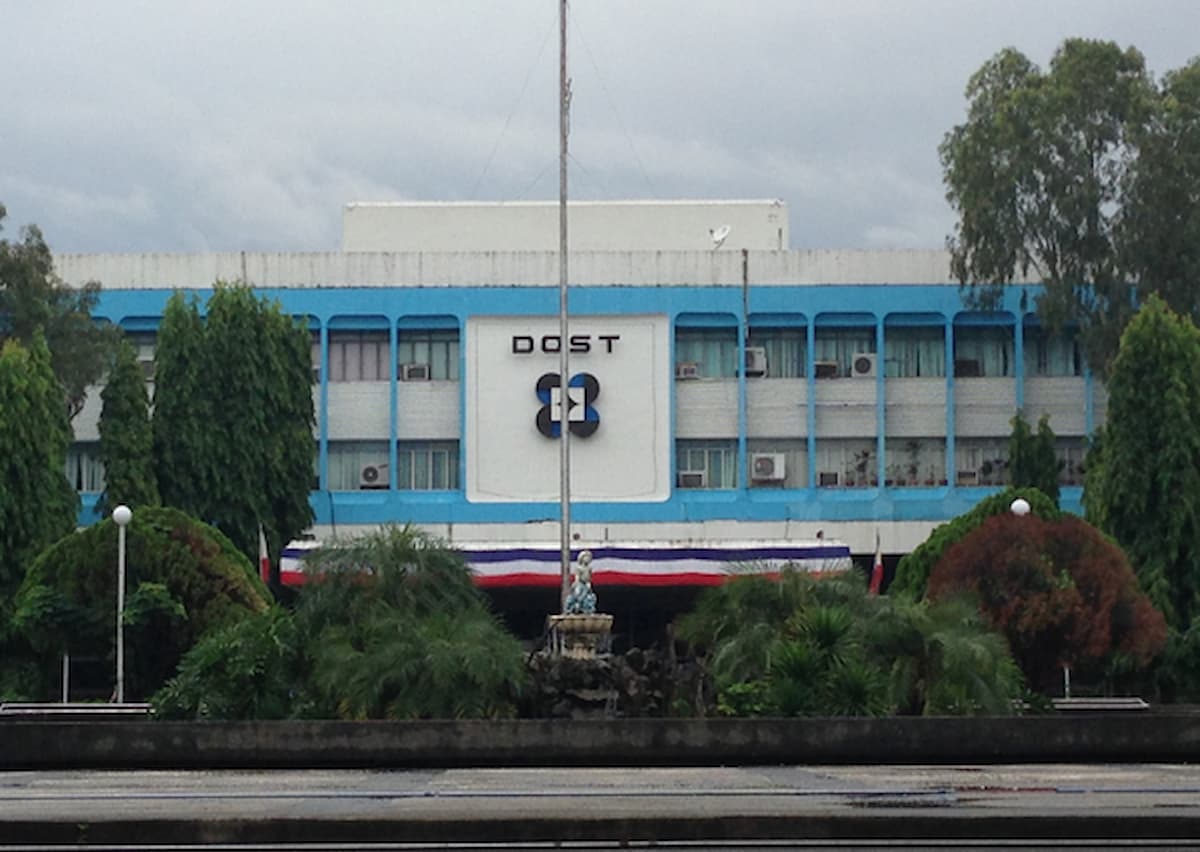
The Department of Science and Technology–Science Education Institute (DOST-SEI) announced that only 8,500 new undergraduate scholars will be accepted in 2026, a sharp drop from last year’s 10,907 due to budget constraints. Despite a record number of applicants, the agency said its reduced allocation makes it impossible to accommodate more students.
MANILA, Philippines — The DOST-SEI confirmed that the lower intake of scholars this year is directly tied to the government’s approved budget. Out of the proposed P11 billion for fiscal year 2026, only P7.6 billion was granted, forcing the agency to cap the number of new qualifiers. This allocation will sustain a total of 54,307 scholars across undergraduate and graduate levels nationwide, including the incoming batch of first-year college students who will be chosen through the national competitive examination on February 21 and 22, 2026.
In 2025, 10,907 students passed the DOST Undergraduate Scholarship out of 84,518 examinees, reflecting a 12.19 percent passing rate. This year, however, only 8,500 out of 102,390 examinees will be accepted, lowering the passing rate to 8.30 percent. The decline has sparked concern among students and parents, especially as demand for scholarships continues to rise amid rising tuition fees and living costs.
The agency explained that the approved budget was designed to ensure sustainability of existing scholars rather than expansion. “This approved budget allows the agency to sustainably support 54,307 scholars across undergraduate and graduate levels,” DOST-SEI told GMA News Online.
The announcement also triggered discussions on social media, with some posts alleging “budget cuts and misappropriated government funds” as reasons for the reduced slots. DOST-SEI clarified that while the agency had requested a higher allocation to expand scholarship benefits and intake, it must operate within the limits of the approved funding.
For many aspiring scholars, the reduced slots mean tougher competition and fewer opportunities to access government-funded education support. The DOST scholarship program has long been considered one of the most prestigious in the country, offering financial assistance to students pursuing degrees in science, technology, engineering, and mathematics (STEM).
STEM Dreams Priced Out by Budget Reality
Scholarships are not just financial aid, they are national investment decisions. When DOST-SEI reduces slots despite record applicants, the message is not about merit, but about how many futures the state is willing to fund.
The drop from 10,907 to 8,500 qualifiers exposes a system where talent is abundant but support is capped by budget ceilings. The consequence is structural: fewer trained STEM graduates, narrower mobility for low-income students, and a weaker long-term pipeline for innovation.
If the country claims to prioritize science and technology, why are opportunities shrinking at the exact moment demand is growing?