
A woman in Palawan has died after allegedly eating a poisonous ‘devil crab’ — Are coastal communities being properly educated?
Robel A. Almoguerra • Ipinost noong 2026-02-07 21:26:15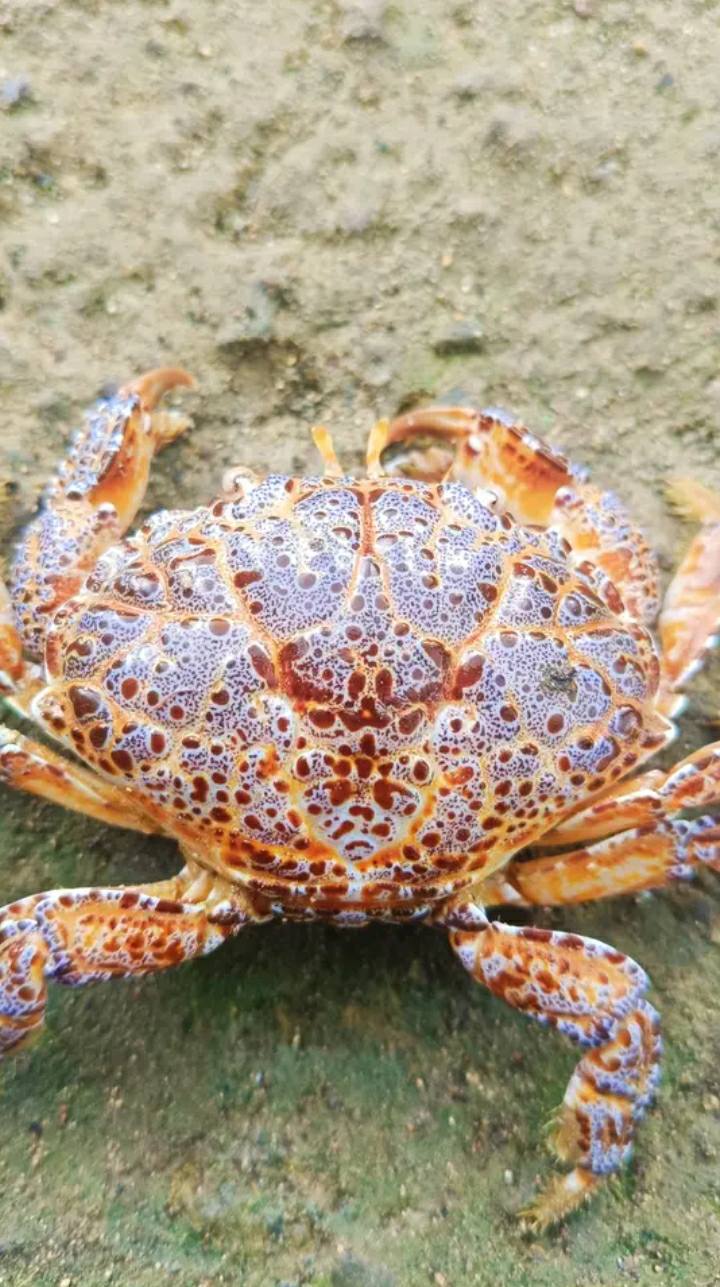
PUERTO PRINCESA, Palawan — A tragic incident in Barangay Luzviminda, Puerto Princesa has once again raised serious concerns about food safety and public awareness after a woman reportedly died from consuming a highly poisonous crab locally known as the “Devil Crab.”
The victim was identified as Emma Amit, a resident of Purok Zigzag 2 in the same barangay. According to Barangay Captain and ABC President Laddy Gemang, Amit was rushed to the hospital after experiencing severe symptoms but was later declared dead. Her home is located near the coastline, leading authorities to believe that the crab may have been sourced from nearby coastal waters.
Barangay officials immediately issued a warning to residents to be vigilant about the food they consume, especially seafood gathered from the wild. This incident is particularly alarming as it is reportedly the second recorded case involving the deadly crab in the area. Local leaders stressed that such cases are preventable with proper knowledge and caution.
The so-called “Devil Crab,” scientifically known as Zosimus aeneus and locally referred to as liod or kaligmata, is among the most toxic crab species found in the Philippines. Despite its ordinary appearance, the crab contains powerful neurotoxins such as tetrodotoxin and saxitoxin—poisons that remain lethal even after cooking. Consumption can cause sudden paralysis, respiratory failure, and death within a short period.
The tragedy highlights a broader issue beyond one isolated case. In many coastal communities, seafood gathering is part of daily survival, passed down through generations. However, climate change, shifting marine ecosystems, and declining fish stocks may be pushing people to unknowingly harvest dangerous species. This underscores the urgent need for sustained public education, clearer advisories, and stronger coordination between local governments and health agencies. As Palawan mourns another preventable loss, the incident forces communities and authorities alike to reflect: Are we doing enough to educate and protect coastal residents from hidden dangers in their own backyard? (Larawan mula sa: Weng Luna / Facebook)