
Kalayaan residents slam Marcoleta 'give up' remark — sovereignty misstep, China talking point?
Margret Dianne Fermin • Ipinost noong 2026-02-07 06:59:34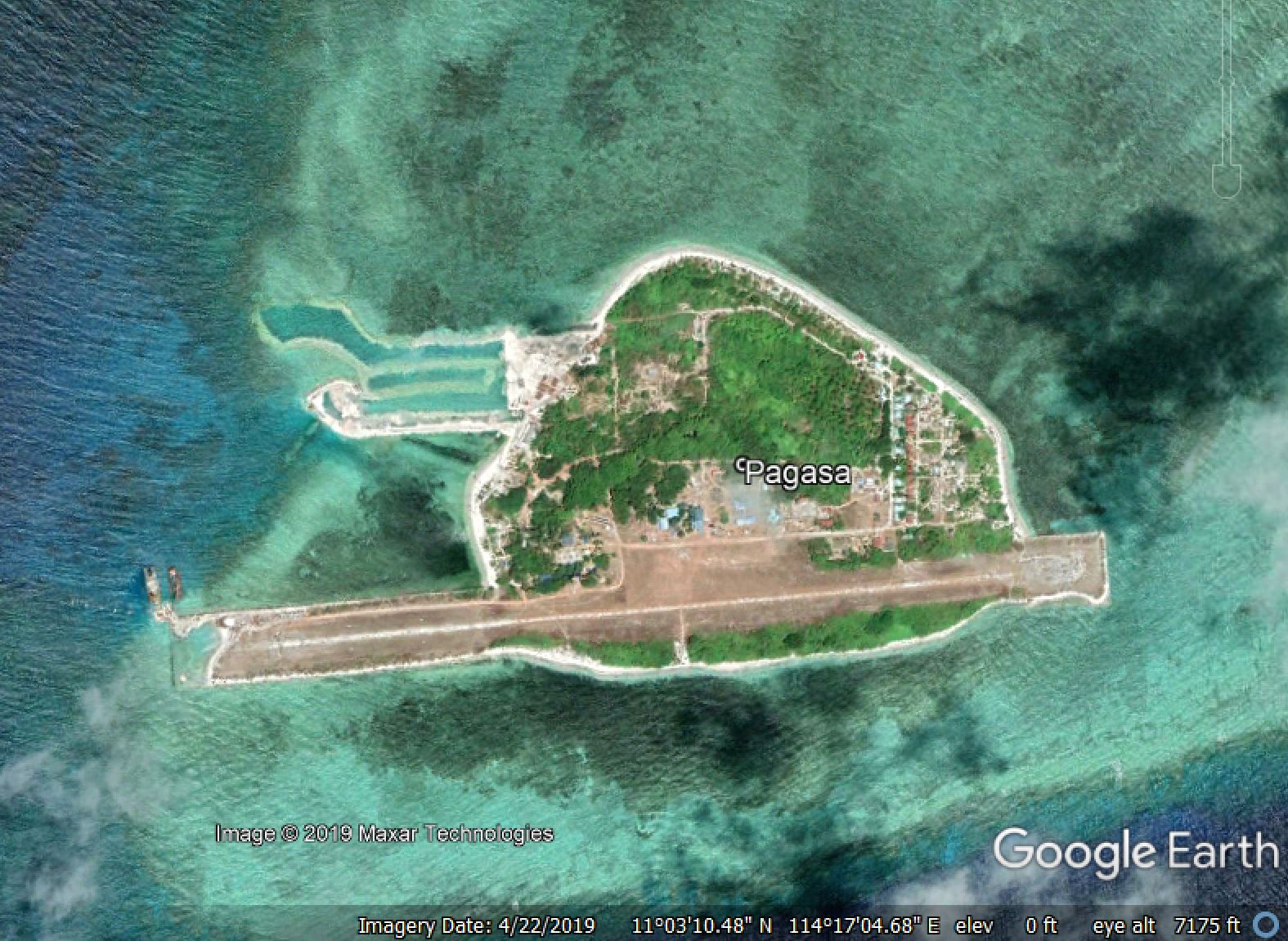
Residents of Kalayaan Island Group expressed outrage over remarks by Senator Rodante Marcoleta suggesting that the Philippines should consider giving up the islands amid tensions with China. Marcoleta later clarified that his statement was taken out of context and was “abbreviated.”
KALAYAAN, Palawan, Feb. 7, 2026 — Residents of the Kalayaan Island Group (KIG) voiced strong disapproval after Senator Rodante Marcoleta said during a Commission on Appointments hearing that it might be easier for the Philippines to “give up” the islands, which he claimed were not part of the country’s exclusive economic zone.
“Ano ba talaga pagpapatayan natin? We will offer our lives and the lives of our children to die for it for something that is not even within our EEZ. Ang gawin natin po para madali, i-give up natin ang KIG,” Marcoleta remarked, sparking immediate backlash from locals and maritime experts.
Kalayaan residents, many of whom rely on fishing and maritime livelihoods, said the senator’s comments were offensive and dismissive of their rights. Community leaders stressed that the islands are not only part of Philippine territory but also home to families who have lived there for decades. “We are offended because we live here, we raise our children here, and we defend our seas,” one resident told local media.
Maritime law expert Jay Batongbacal criticized Marcoleta’s statement, warning that such remarks undermine the Philippines’ legal position and strengthen China’s expansive claims in the West Philippine Sea. “These statements weaken our stance and embolden China’s narrative,” Batongbacal said, emphasizing that the Kalayaan Island Group is clearly within Philippine sovereignty under international law.
Facing mounting criticism, Marcoleta later clarified that his words were taken out of context. He explained that his remarks during the hearing were “abbreviated” and not meant to suggest abandoning Philippine territory. “The context was abbreviated. I was raising a point about the risks our people face, not advocating surrender,” he said, adding that he supports defending the country’s claims in the West Philippine Sea.
The controversy comes at a sensitive time, as the Philippines intensifies efforts to finalize a code of conduct with China and ASEAN to manage disputes in the South China Sea. Officials worry that statements like Marcoleta’s could be exploited by Beijing to challenge Manila’s sovereignty.
For residents of Kalayaan, the issue is deeply personal. The islands are not only strategic but also their home, and they insist that leaders must stand firm in defending their rights. The uproar underscores the importance of careful language in discussions about national territory, especially as the Philippines navigates complex diplomatic negotiations.
As the debate continues, the incident highlights the fragile balance between domestic politics and foreign policy. While Marcoleta insists his remarks were misunderstood, the reaction from Kalayaan residents and experts shows that any suggestion of giving up territory is unacceptable to those who live on the frontlines of the dispute.
In the end, the controversy has reignited calls for stronger government commitment to protect Kalayaan and the broader West Philippine Sea, reminding leaders that words carry weight in the ongoing struggle for sovereignty.