
One dentist for every 53,000 Filipinos? — How long can the country ignore its oral health crisis?
Robel A. Almoguerra • Ipinost noong 2026-02-09 23:03:52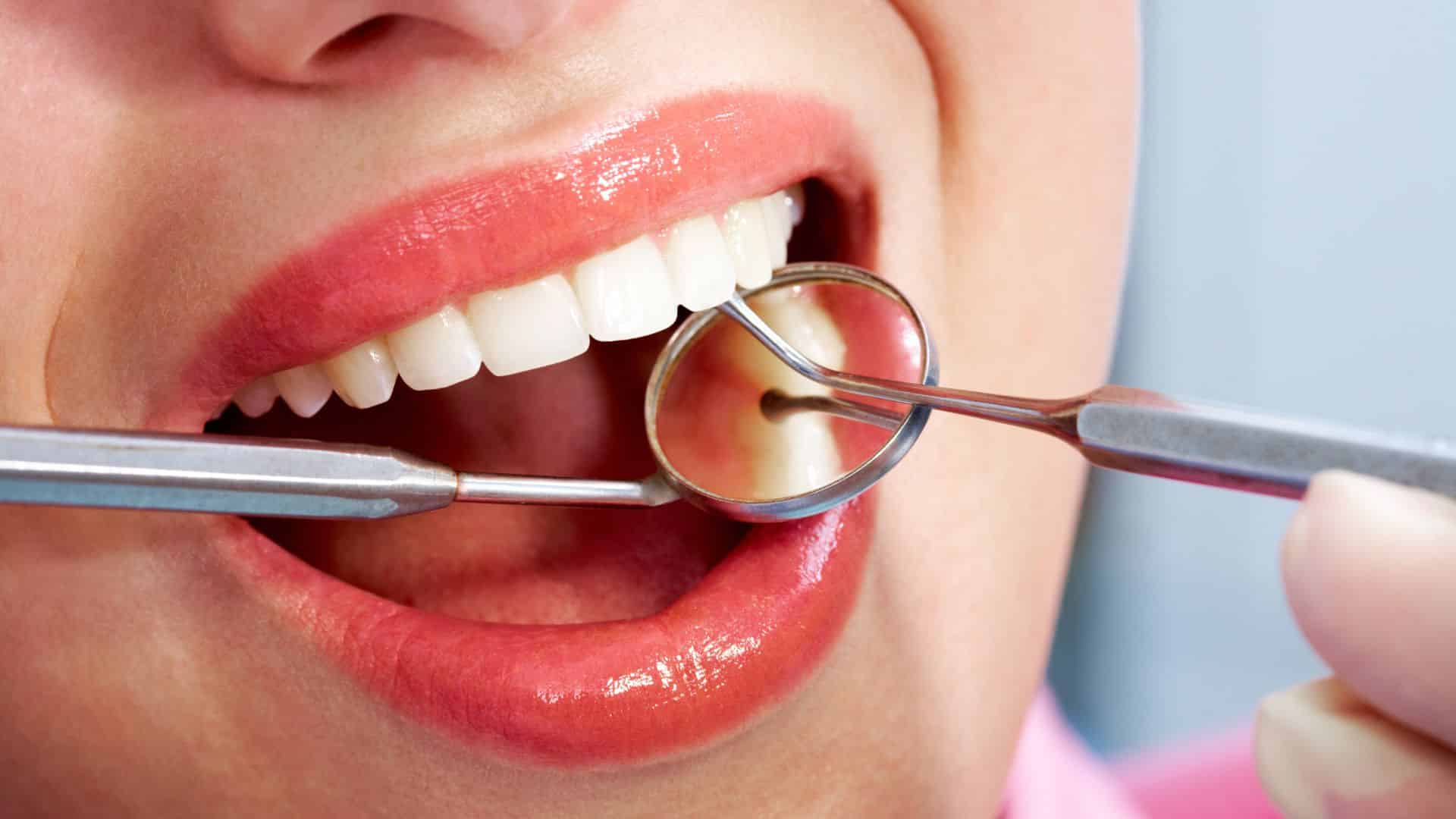
MANILA, Philippines — The Department of Health (DOH) has raised alarm over a stark and troubling reality: there is only one dentist for every 53,000 Filipinos. This figure falls far below the World Health Organization’s recommended ratio of one dentist for every 7,500 people, exposing a deep gap in access to basic oral healthcare across the country.
Health Undersecretary Emmie Liza Chiong revealed that oral health remains a neglected sector within the national health system. According to her, only 0.14 percent of the DOH budget is allocated to oral health programs—a fraction so small it barely allows for sustained public services, outreach, or preventive care. This underfunding, she explained, is one of the reasons the DOH is pushing for the revival of the Bureau of Oral Health, which would help lobby for stronger institutional support and increased funding.
The consequences of this shortage are not merely cosmetic or minor inconveniences. Chiong emphasized that oral health is closely linked to overall health and wellbeing. Untreated dental infections, gum disease, and oral inflammation have been associated with serious conditions, including heart disease. For many poor Filipinos, however, dental care remains a luxury, as the cost of procedures is often prohibitive and public dental services are limited or unavailable.
Compounding the problem is the relatively low salary of dentists in the public sector, which discourages professionals from entering or staying in government service, especially in rural and underserved areas. This creates a cycle where communities with the greatest need are left with the least access.
This situation forces a broader conversation: while healthcare discussions often focus on hospitals, medicines, and emergency care, preventive services like dentistry are quietly sidelined—until the consequences become severe and costly. If oral health is truly integral to overall health, then its marginalization in policy and budgeting reflects a deeper flaw in national priorities.
As lawmakers are urged to reexamine the state of oral health programs, the pressing question remains: how many Filipinos must suffer preventable pain and illness before dental care is treated as a public health necessity, not an afterthought? (Larawan mula sa: Gila Ridge Dental / Google)