
Patients held hostage? CHR says blame the big bosses
Marijo Farah A. Benitez • Ipinost noong 2026-02-09 20:56:30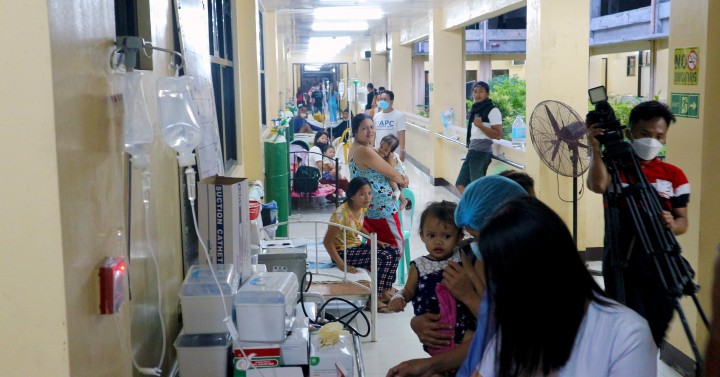
FEBRUARY 9, 2026 — Hospital detention has long been a painful reality in the Philippines — patients barred from leaving because they cannot settle their bills. Now, the Commission on Human Rights (CHR) is insisting that accountability should rest on hospital management, not on the ordinary staff who are simply following orders.
In its position paper, the CHR stressed, “The CHR underscores the need for ‘proportional and differentiated accountability,’ emphasizing that responsibility for hospital detention primarily rests with those who formulate and enforce hospital policies, rather than with personnel who merely implement them.”
The point is, if the system is flawed, the decision-makers must face the consequences. Nurses and clerks should not be the ones punished while those at the top escape liability. Hospital detention, after all, violates the Bill of Rights under the 1987 Constitution by stripping patients of liberty and dignity.
The proposed amendments to Republic Act 9439 — the Anti-Hospital Detention Law — seek to expand coverage, impose heavier penalties, and strengthen enforcement. Under current provisions, staff who unlawfully detain patients may face six months to two years in prison and fines of P100,000 to P300,000. But if the violation stems from hospital policy, directors or officers could face four to six years in prison and fines of P500,000 to P1,000,000. Three repeated violations? The Department of Health will revoke the hospital’s license.
CHR also recommends a step-by-step penalty system: suspension, compliance audits, or probationary monitoring before outright revocation. This ensures fairness while still hitting hard where it matters. Importantly, victims should have clear access to civil and administrative remedies, not just criminal penalties, so they can claim full compensation.
Republic Act 9439 was enacted back in 2007 to protect patients, especially the poor, from being detained over unpaid bills. Yet cases persist. Why? Because accountability remains weak, penalties insufficient, and responsibility misplaced. The CHR’s push is a reminder that laws must evolve to keep pace with abuses that continue to surface.
If we are serious about human rights, dignity, and fairness, then the message is simple: frontline workers should not carry the burden of unjust policies while those in power walk free.
Have you or someone you love ever been trapped in a hospital because of unpaid bills? What’s your story?
(Image: Philippine News Agency)