
PNP sacks entire Bangsamoro police unit over hazing claims — decisive purge, deeper rot?
Margret Dianne Fermin • Ipinost noong 2026-02-09 17:15:44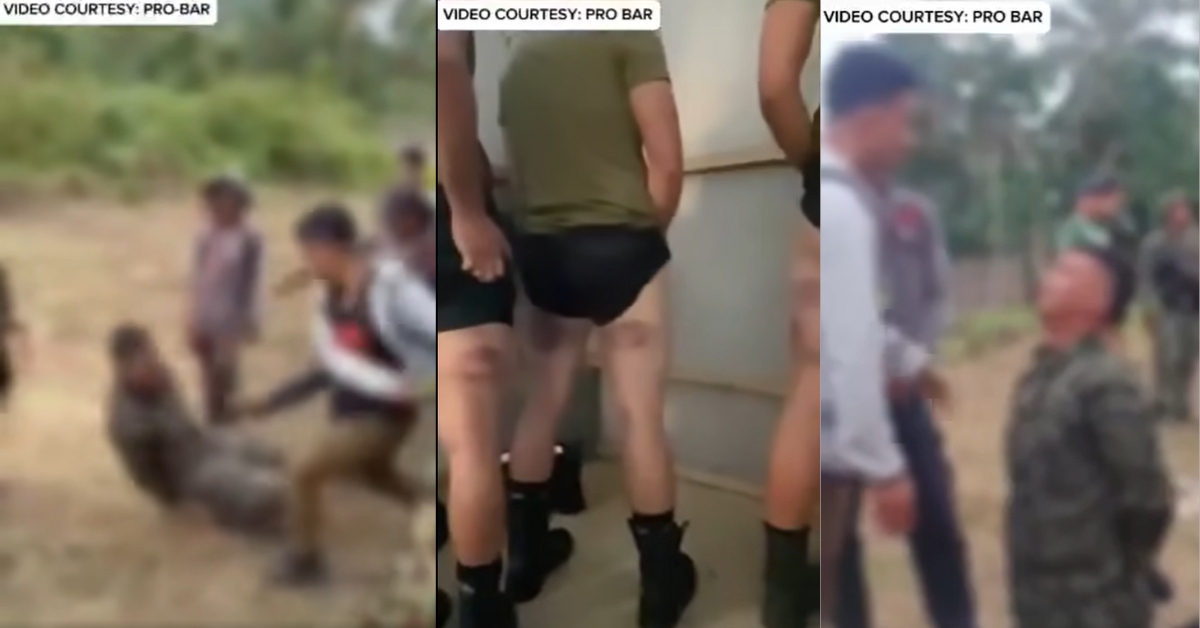
LAMITAN CITY, Basilan, Feb. 9, 2026 — The Philippine National Police (PNP) has sacked an entire Bangsamoro police unit following allegations of hazing involving 129 recruits at the Regional Mobile Force Battalion (RMFB) headquarters in Barangay Ubit.
According to initial reports, the recruits were subjected to “duck-walking, being ordered to lie on the ground, rolling on the ground, and physical assault using wooden sticks and arnis.”
PNP spokesperson Brig. Gen. Randulf Tuaño confirmed that all members of RMFB 14B — more than 70 officers — were administratively relieved and replaced by personnel from RMFB 14A. He added that at least 12 police non-commissioned officers were positively identified by complainants as directly involved in the maltreatment.
The incident has drawn strong condemnation from the Moro National Liberation Front (MNLF), which described the hazing as a violation of the law and a setback to peace-building efforts in the Bangsamoro Autonomous Region in Muslim Mindanao (BARMM).
MNLF chair Muslimin Sema stressed that the integration program under the Bangsamoro Organic Law was designed to transform former combatants from the MNLF and Moro Islamic Liberation Front (MILF) into partners of the PNP in promoting peace and security.
“This maltreatment undermines the very essence of the integration program,” the group said in its official statement.
Authorities are now investigating the incident, with the PNP vowing accountability and disciplinary action against those found guilty. The case has reignited calls for stricter enforcement of the Anti-Hazing Law and for reforms in police training programs to ensure respect for human rights and the dignity of recruits.
Mass Relief Is Not the Same as Reform
Removing an entire police unit signals urgency, but it also reveals how deeply abusive practices can become embedded in training culture. When hazing reaches the scale of 129 recruits, the problem is no longer a few bad actors, but a system that tolerated cruelty as routine.
This incident threatens more than internal discipline. It risks weakening trust in integration efforts meant to turn former combatants into legitimate partners of the state, where legitimacy depends on dignity, not humiliation. Peace-building cannot survive if institutions reproduce violence inside their own ranks.
If abuse can thrive this openly, what guarantees exist that future recruits will be trained to protect communities rather than repeat the harm?