
DA expands ₱20 rice outlets across Metro Manila — Smart relief or election-season stunt?
Margret Dianne Fermin • Ipinost noong 2026-02-12 18:31:28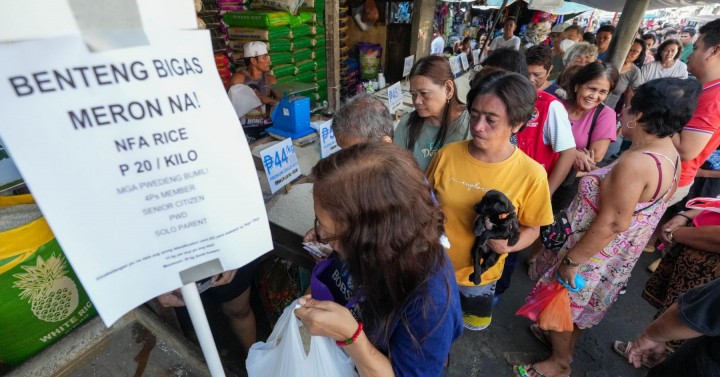
MANILA, Philippines, Feb. 12, 2026 — The Department of Agriculture (DA) announced plans to establish at least five outlets selling rice at ₱20 per kilo in every city and municipality across Metro Manila as part of its expanded “Benteng Bigas, Meron Na” program.
Agriculture Secretary Francisco Tiu Laurel Jr. said the initiative aims to make affordable rice more accessible to vulnerable sectors, particularly low-income families.
“Our goal is simple: bring affordable rice closer to our constituents and ensure vulnerable sectors are directly served. This expansion underscores our firm commitment to food security and to easing the financial burden on Filipino families,” Laurel stated.
The DA explained that the rollout will be coordinated with local government units (LGUs), the Metropolitan Manila Development Authority (MMDA), and the Food Terminal Inc. (FTI) to ensure efficient distribution.
DA-Agribusiness and Marketing Assistance Service Director Junibert de Sagun noted that the full-scale expansion is targeted by the end of March 2026 to align with peak harvest flows and maximize supply availability.
The program, a flagship food initiative under President Ferdinand Marcos Jr., prioritizes senior citizens, solo parents, persons with disabilities, Pantawid Pamilyang Pilipino Program (4Ps) beneficiaries, minimum wage earners, tricycle drivers, farmers, and fisherfolk.
By focusing on these groups, the DA hopes to cushion the impact of rising food prices and strengthen social protection for the most vulnerable.
Analysts say the expansion of the ₱20 rice program reflects the government’s broader push to stabilize food prices and address inflation concerns. With Metro Manila as the pilot area, the DA expects the initiative to serve as a model for nationwide implementation once supply chains are fully optimized.