
More Filipino girls under 15 becoming mothers
Marijo Farah A. Benitez • Ipinost noong 2026-02-13 16:20:29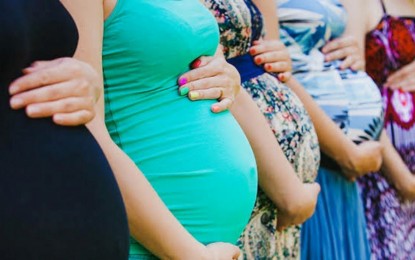
FEBRUARY 13, 2026 — Valentine’s Day in the Philippines is all about roses, chocolates, and sweet serenades. But while couples flaunt their love in malls and on social media, a darker reality lurks beneath the glitter: more Filipino girls under 15 are becoming mothers. Yes, children — barely teenagers — are giving birth, and the numbers are climbing.
According to the Commission on Population and Development (CPD), pregnancies among girls aged 15 to 19 have dropped from 8.6% in 2017 to 5.4% in 2022. That sounds like progress, right? But here’s the shocker: live births among girls aged 10 to 14 jumped from 2,411 in 2019 to 3,343 in 2023.
CPD Undersecretary Lisa Grace Bersales said, “The increase we are seeing is for below 15. That is where we should be alarmed.”
Alarmed is an understatement. These are kids who should be worrying about exams, not diapers. Their stories reveal how dreams are derailed and futures rewritten overnight.
One young father from Laguna found himself overwhelmed by the sudden weight of parenthood. Barely out of high school, he was forced to trade his dream of a college diploma for long shifts in a noodle house and sleepless nights caring for his baby. What was once a future filled with ambition quickly turned into a daily struggle to provide. He admits that nothing about this path was planned — it was an accident that changed everything. For him, the choice was clear: abandon higher education and focus on survival.
His story is a stark reminder that teenage pregnancy doesn’t just alter statistics — it rewrites lives, cutting short childhoods and reshaping futures before they even begin.
So what’s driving this crisis? Bersales points to digital exposure.
“Our children now are more digital. They are exposed to social media,” she said.
But it’s not just TikTok or Facebook. It’s the silence at home, the discomfort of teachers in classrooms, and the barriers in health services. Under Philippine law, minors generally need parental consent to access family planning. Imagine being 14, curious, vulnerable, and legally blocked from help.
Government efforts exist — teen centers in local government units, for example. As of May 2025, 84% of LGUs reported setting them up.
But Bersales herself admitted, “Establishment is one thing. Functionality is another.”
Are these centers truly helping, or are they just window dressing?
The regional picture is even more alarming. Northern Mindanao has the highest adolescent pregnancy rate in the country, with 10.9% of girls aged 15–19 already childbearing. In rural areas, isolation and silence make matters worse.
And daughters left behind by Overseas Filipino Worker (OFW) parents face unique risks.
Bersales stressed, “Studying the situation of daughters left behind by OFW mothers is very important work that we need to do.”
Schools aren’t closing the gap either. For many teens, lessons on reproductive health came too late — introduced only after curiosity had already turned into consequences. The coverage was shallow, failing to give young students a deeper grasp of sex, teenage pregnancy, and early motherhood.
While the Department of Education has programs on sexuality education, the reality is that many teachers remain hesitant, weighed down by personal beliefs and discomfort. Without confident educators who can break taboos and deliver the message clearly, the silence in classrooms continues — and so does the cycle of ignorance.
So why are we still treating teenage pregnancy like a taboo when the numbers scream urgency? Why do we hesitate to talk to our kids about sex, consent, and responsibility, while social media and peer pressure talk to them every single day?
Valentine’s Day may be about love, but love without guidance and protection can lead to consequences that last a lifetime. The decline among older teens shows progress is possible. But the rise among younger girls reminds us that progress is fragile — and easily undone.
So let’s stop pretending this is someone else’s problem. This is about our children, our families, our communities. And the question we should all be asking is this: How many more children must become mothers before we finally take this crisis seriously?
(Image: Philippine News Agency)