
Philippines to give tourists 911 calling cards — A smart safety measure or a sign of deeper security concerns?
Robel A. Almoguerra • Ipinost noong 2026-03-07 23:58:22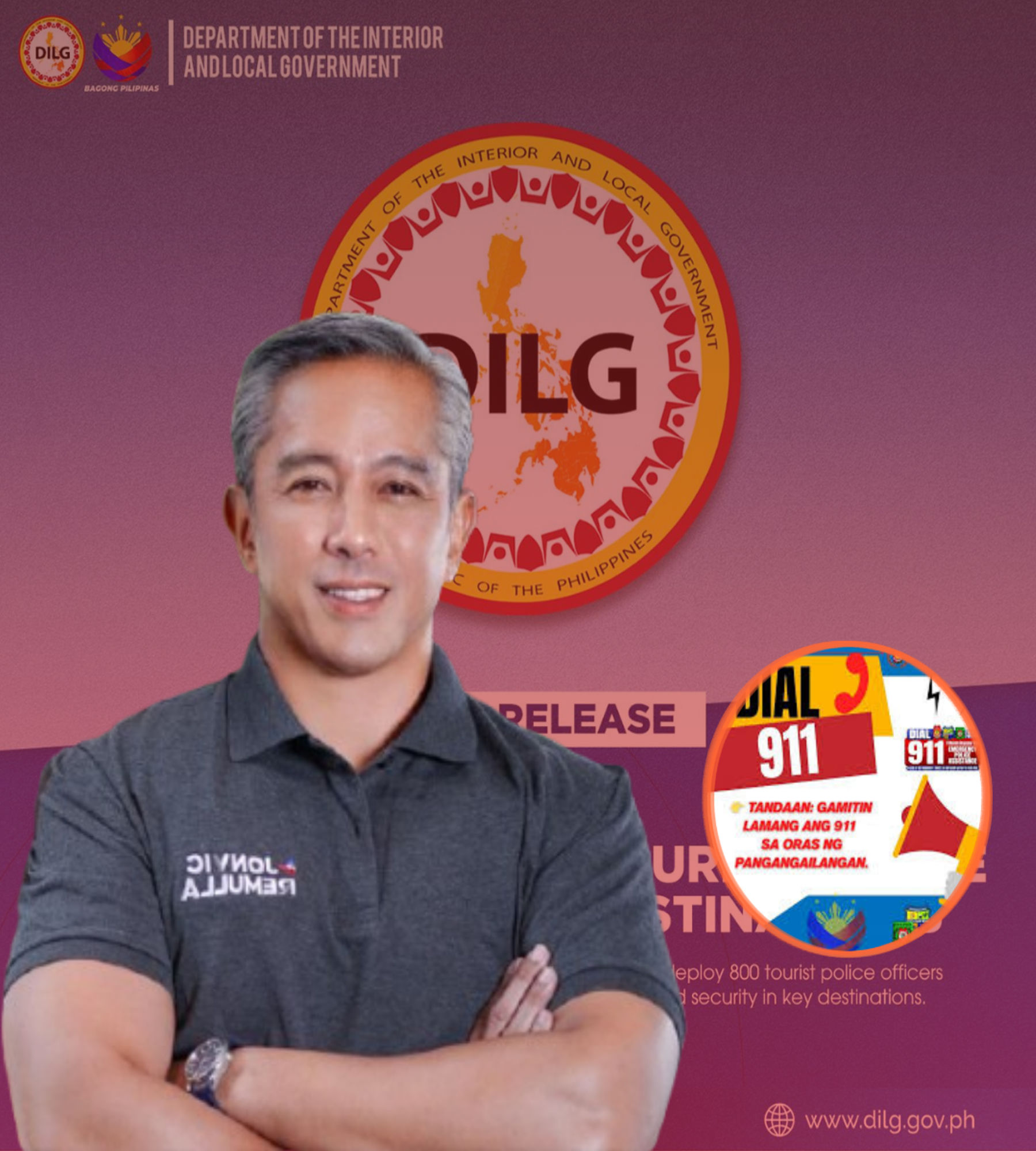
MANILA, Philippines — In an effort to strengthen emergency response awareness among foreign visitors, the Philippine government plans to distribute special 911 calling cards to tourists arriving in the country.
According to Jonvic Remulla, Secretary of the Department of the Interior and Local Government (DILG), the initiative aims to ensure that international travelers easily remember the country’s emergency hotline number. Each tourist entering the Philippines will reportedly receive a card reminding them to dial 911 in case of emergencies.
Remulla said the move is part of a broader effort to boost safety in major tourist destinations and improve confidence among international visitors. The plan is backed by Ferdinand Marcos Jr. and includes the deployment of around 800 tourist police officers beginning in April.
“These officers will help ensure faster response times and stronger security presence in key tourist areas,” Remulla explained, noting that the goal is to maintain an emergency response time of about three minutes wherever possible in the country.
Many of the tourist police units will be equipped with motorcycles to improve mobility in busy districts and scenic destinations where quick access may be challenging. Among the initial locations expected to benefit from the program are Bonifacio Global City, Poblacion, Makati, Boracay, Siargao, Cebu, Bohol, and Puerto Princesa—all of which are among the country’s most visited destinations.
At first glance, the program appears simple: a small card with a number that could potentially save lives. Yet it also highlights a growing awareness among authorities that emergency preparedness plays a crucial role in tourism.
In today’s global travel environment, safety perception can significantly influence where tourists choose to visit. Countries that demonstrate efficient emergency response systems often gain a reputation for being safer destinations.
However, some observers argue that while awareness campaigns are helpful, they should be paired with sustained investments in response infrastructure, training, and coordination among law enforcement agencies. A hotline number alone means little if the response system behind it cannot deliver consistently across diverse locations—from crowded cities to remote islands.
The initiative therefore opens a broader conversation about the relationship between tourism growth and public safety preparedness.
If governments must remind tourists how to call for help, does it strengthen confidence in a country’s safety—or reveal deeper challenges in emergency response systems?
(Larawan mula sa: DILG, Jonvic Remulla / Facebook)