
Baligod fires back at Trillanes over ‘brave 18’ claims — Will the truth emerge or deepen political divides?
Robel A. Almoguerra • Ipinost noong 2026-03-08 00:25:56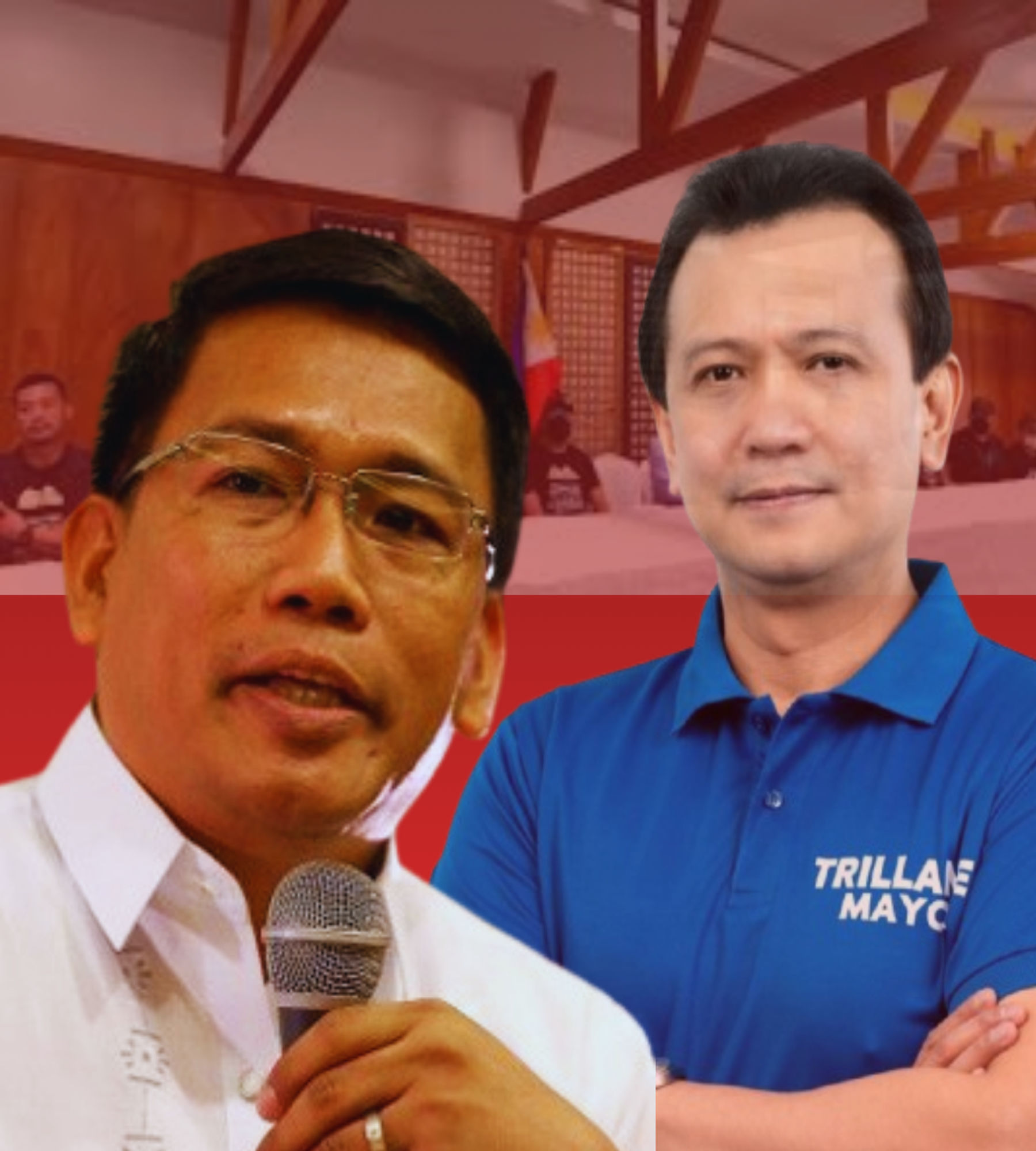
MANILA, Philippines — A new exchange of sharp statements has intensified the dispute between former senator Antonio Trillanes IV and lawyer Levi Baligod, legal counsel for a group of former soldiers known as the “Brave 18.”
The disagreement stems from allegations surrounding a joint affidavit submitted by 18 individuals identifying themselves as former Marines. The document reportedly contains claims linking certain personalities to a supposed money delivery scheme tied to discussions about the investigation of former Philippine president Rodrigo Duterte by the International Criminal Court (ICC).
Trillanes previously suggested that some members of the group might eventually reverse their statements. According to him, a few individuals could later admit that they were allegedly paid to make accusations against him and that their testimonies were dictated by others.
Responding to these remarks, Baligod issued a strongly worded statement questioning Trillanes’ assumption that members of the group would retract their claims. In a pointed comment, the lawyer said: “Retrograde maneuver is not in the Field Manual of the Marines. Then again, you would not know that because you have not experienced their discipline in combat.”
In military terminology, a retrograde maneuver refers to a planned and strategic withdrawal or repositioning of forces to avoid greater harm or to prepare for another tactical move. Baligod appeared to use the term metaphorically, implying that Marines are not known for easily backing down from sworn statements or positions.
The exchange highlights the escalating rhetoric between the two camps, with both sides maintaining their positions. Trillanes has firmly denied the allegations against him, suggesting that the claims may be part of a broader effort to undermine political stability. Meanwhile, the camp of the “Brave 18” insists they stand by their affidavits and are prepared to defend their claims through legal channels.
As the legal and political tensions unfold, the situation reflects a broader pattern in Philippine politics, where disputes often move beyond courtrooms and into the arena of public opinion. Statements, counter-statements, and viral exchanges on social media can shape narratives even before formal proceedings determine the facts.
Ultimately, the truth behind the allegations will likely depend on evidence presented in proper legal forums rather than in public debates. Yet the political implications of such conflicts can be just as significant as the legal outcomes. When competing narratives dominate public discourse before courts establish the facts, how should the public decide whom to believe—and how easily can truth be overshadowed by political rivalry?
(Larawan mula: Trillanes / Facebook, manipudkadagitieditor)