
‘It’s world war 3 already’ — Barzaga questions lack of accountability in flood control projects
Robel A. Almoguerra • Ipinost noong 2026-03-08 00:18:52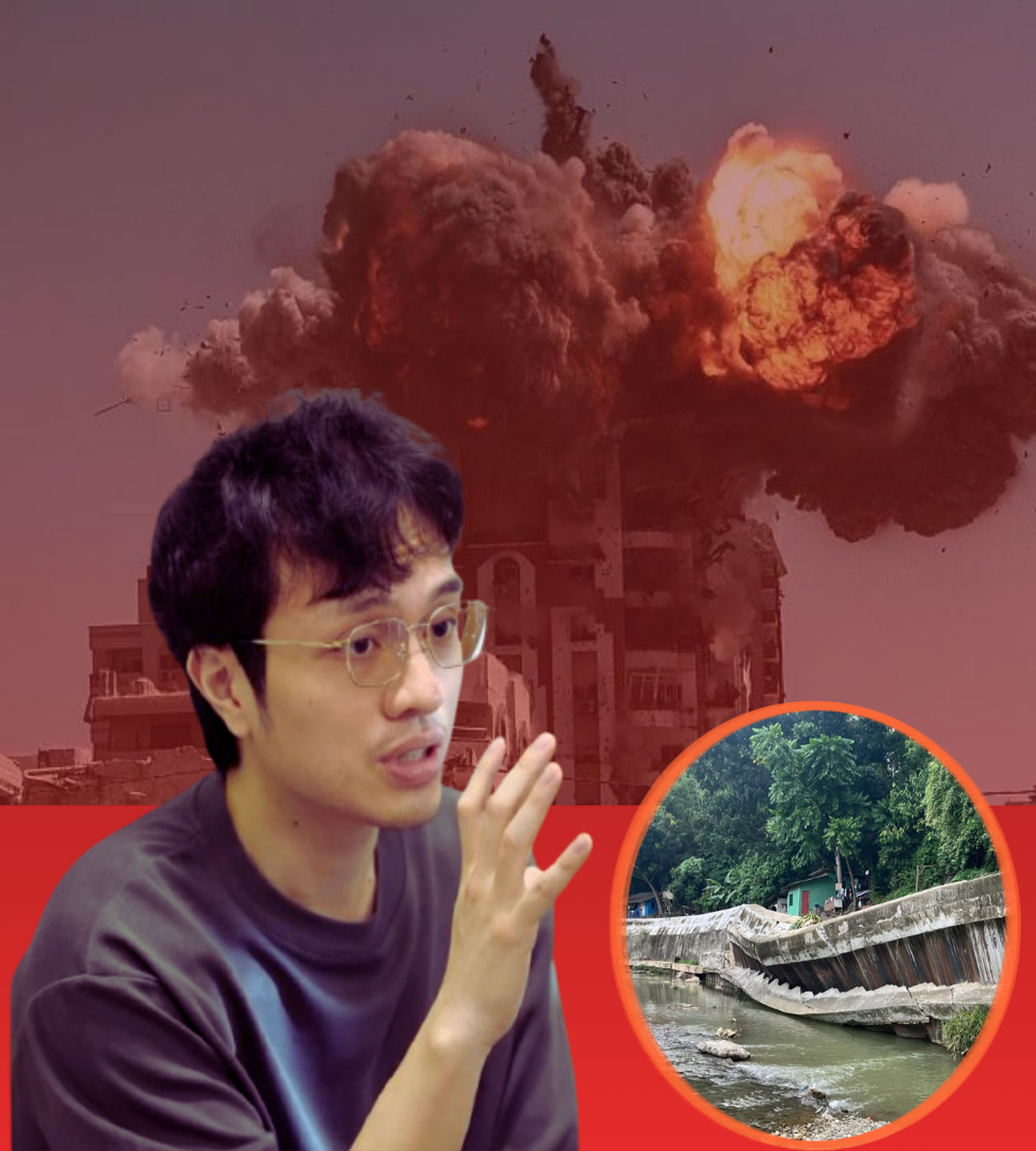
MANILA, Philippines — A pointed remark from a lawmaker has reignited public discussion about government accountability and the pace of investigations into alleged corruption involving flood control projects in the Philippines.
Kiko Barzaga, the representative of Cavite’s 4th District, took to his official Facebook account to express frustration over what he described as the lack of concrete action against those allegedly involved in irregularities tied to flood control programs.
In his post, Barzaga wrote: “World War 3 already, yet no one has gone to jail over flood control.” The statement was widely interpreted as a sarcastic jab at the perceived delay in holding individuals accountable despite earlier commitments from the government.
The comment references past assurances from Ferdinand Marcos Jr. that individuals responsible for alleged corruption in infrastructure projects—particularly flood control initiatives—would face consequences if wrongdoing were proven.
Flood control projects have long been a critical issue in the Philippines, a country frequently hit by typhoons and heavy rainfall. These projects are designed to mitigate flooding, protect communities, and prevent damage to infrastructure and livelihoods. However, allegations of irregularities in funding and implementation have periodically surfaced, raising concerns about transparency and public trust.
Barzaga’s remark reflects a broader sentiment shared by some observers who believe that investigations into major public projects often move slowly, leaving citizens uncertain about whether accountability will ever be fully realized.
At the same time, others caution that legal processes—especially those involving large infrastructure contracts and multiple agencies—can take time to investigate thoroughly. Ensuring due process, gathering evidence, and pursuing cases through the courts are often complex steps that cannot be rushed without risking legal setbacks.
Still, the public’s frustration is understandable. In a country where floods regularly affect communities and cost billions in damages, any suspicion that resources meant for protection were misused can erode confidence in public institutions.
Barzaga’s comment, while brief and sarcastic, highlights a deeper national conversation about governance, transparency, and the expectations placed on leaders who promise reform.
Ultimately, the issue goes beyond political exchanges on social media. It touches on a fundamental question about public service and accountability.
If governments promise to punish corruption but investigations take years to produce results, how long should the public be expected to wait before trust begins to fade?
(Larawan mula sa: Kiko Barzaga / Facebook)