
One test, one shot: thousands battle for science high school slots
Marijo Farah A. Benitez • Ipinost noong 2026-03-08 14:12:01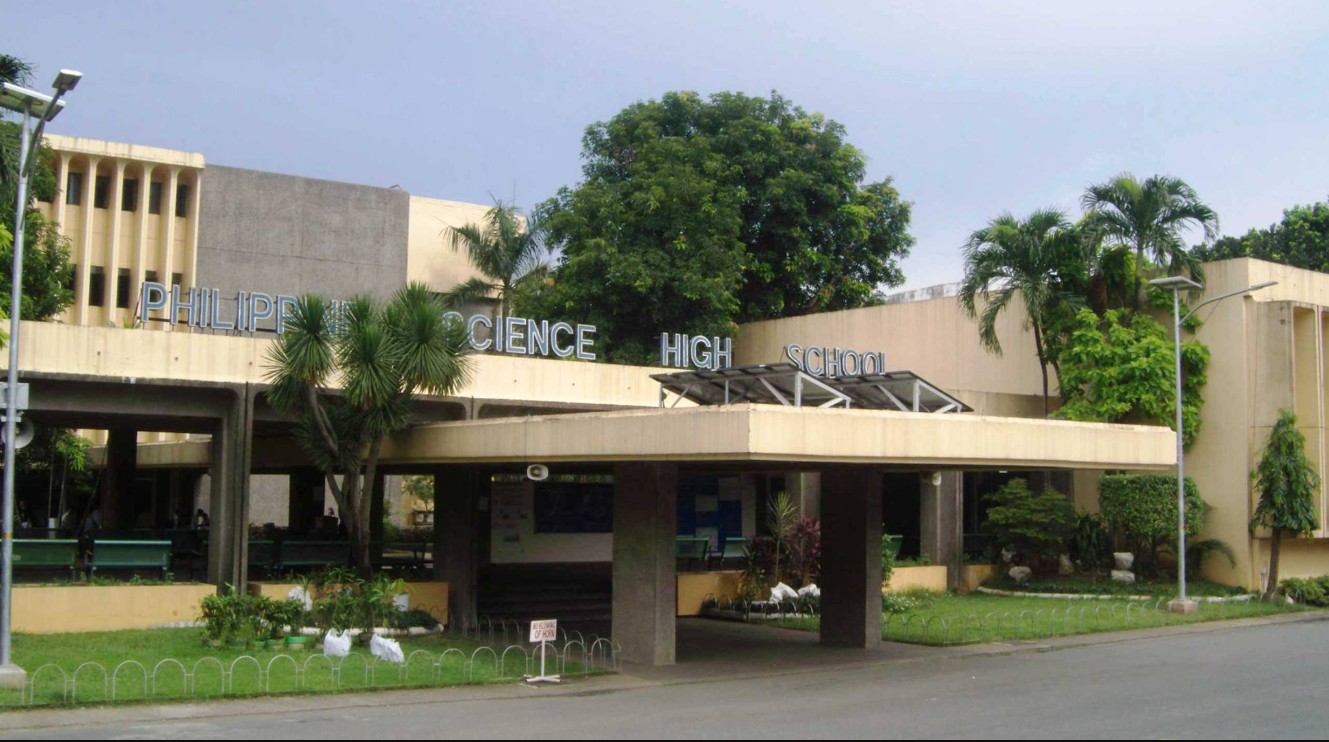
MARCH 8, 2026 — For the first time in Metro Manila, thousands of young hopefuls aiming to enter science high schools sat for a single, unified admissions test — the Unified Science High School Admissions Test (USHAT). Conducted by the Department of Education (DepEd) this past Saturday, the exam marks a turning point in how the country screens its future scientists, engineers, and innovators.
Education Assistant Secretary Joyce Andaya, who also serves as DepEd NCR’s regional director, explained why this shift was necessary.
“Previously, science high schools admissions in Metro Manila were based on varied entrance examinations, differing standards, and non-uniform testing modalities,” she explained.
In short, it was a patchwork system that often left families scrambling to prepare for multiple exams, each with its own quirks.
Now, with USHAT, the process is streamlined. One exam, one application, and a student can be considered for up to five preferred science high schools. DepEd says this eliminates the need for multiple submissions and reduces inequities among applicants.
Out of 8,831 students who took the test across 18 schools, only 3,195 will eventually be admitted — a sobering reminder of how competitive these institutions remain.
The test itself is no walk in the park. Students were evaluated on scientific literacy and process skills (30%), mathematical and quantitative reasoning (30%), reading comprehension and critical thinking (25%), and abstract and spatial reasoning (15%).
Those who score 75% and above fall into Category A — automatically eligible for interviews. Category B students, scoring between 60–74%, may still qualify depending on their rank and the school’s absorptive capacity.
What makes this rollout even more significant is its digital backbone. The USHAT was conducted through computer-based exams in secure offline networks, aligning with EDCOM II’s push for modern, technology-enabled assessment systems. Andaya emphasized that the test is not about rote memorization but about “conceptual understanding, application of knowledge, and the development of transferable skills necessary for lifelong learning and advanced STEM engagement.”
This is where the bigger picture comes in. The Philippines has long struggled with global rankings in math and science education. By standardizing admissions and focusing on skills rather than memorization, DepEd is signaling a shift toward nurturing thinkers, not just test-takers. It’s a small but crucial step in preparing Filipino students for the demands of STEM careers in a rapidly digitizing world.
Of course, questions remain. Will this unified system truly level the playing field, or will it simply highlight existing gaps in access to quality basic education? After all, not every student has the same exposure to technology or advanced learning resources. And while the exam may be fairer in design, the competition is still fierce — only a fraction of test-takers will make it through.
Still, the move deserves recognition. For parents, it means less stress and fewer expenses. For students, it means clarity and consistency. For the education system, it’s a step toward modernization. And for the country, it’s a chance to finally align science education with the needs of the future.
The results will be out in two weeks, but the bigger test is whether this reform can spark lasting change in how we prepare the next generation of Filipino scientists.
One exam, less hassle, and finally a system that makes sense — don’t you agree it’s about time we had this?
(Image: Philippine Science High School System | Facebook)