
CIBAC Party-list Rep. Eddie Villanueva pushes social media ban for young users — Is a ban the right solution?
Robel A. Almoguerra • Ipinost noong 2026-03-10 22:31:59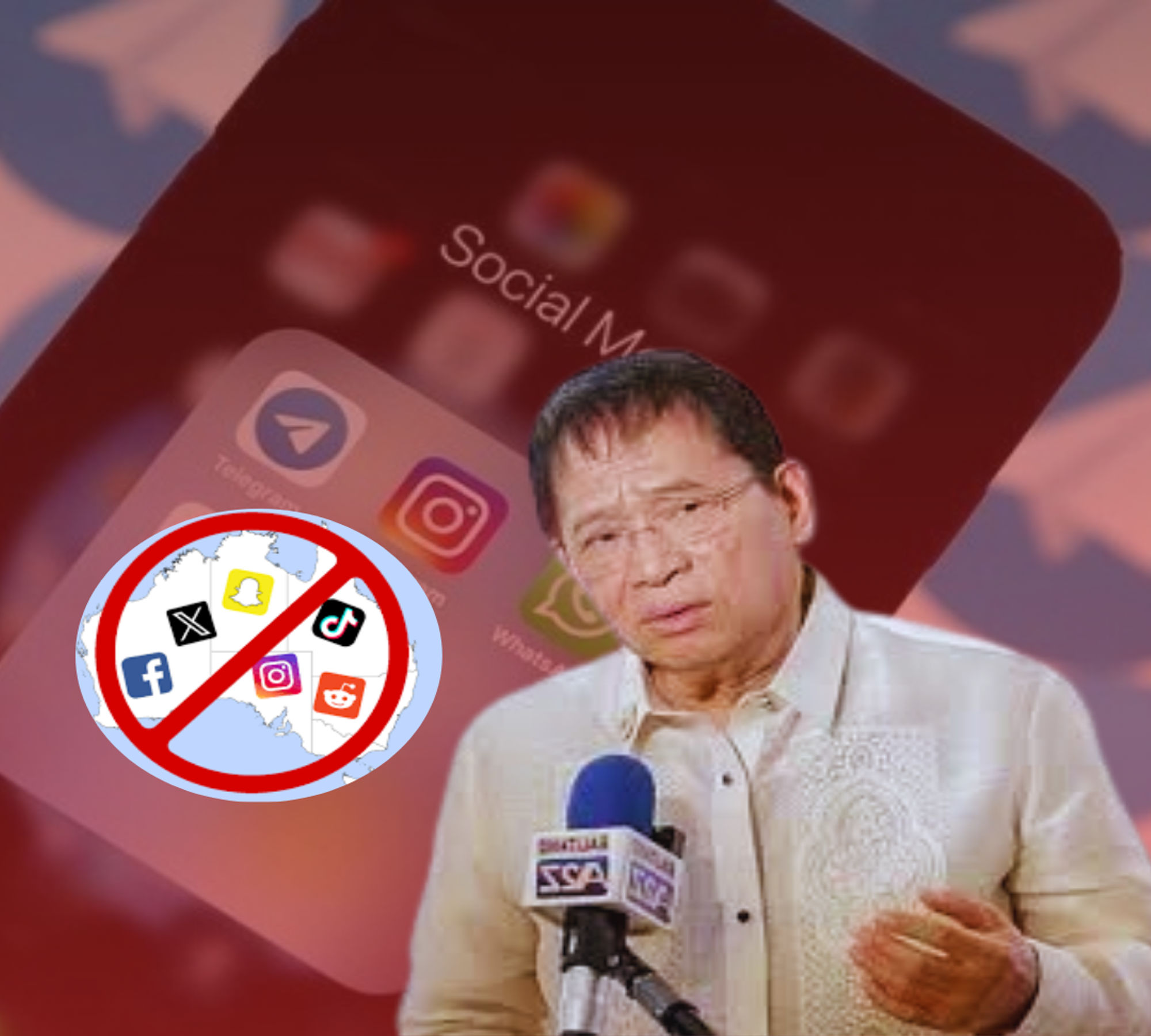
MANILA, Philippines — A proposed measure in the House of Representatives of the Philippines is drawing public attention after it suggested restricting social media access for younger users.
The proposal, filed by Eddie Villanueva, representative of the CIBAC Party-list, aims to prohibit children aged 16 years old and below from using major social media platforms.
Under House Bill No. 8262, platforms such as Facebook, Instagram, TikTok, X (formerly Twitter), and YouTube would be restricted for users under the proposed age limit.
According to Villanueva, the bill is intended to protect young people from the potential harms associated with excessive social media use. Lawmakers supporting the measure argue that minors are particularly vulnerable to online risks such as cyberbullying, exposure to inappropriate content, misinformation, and mental health pressures linked to online validation and digital comparison.
Supporters also point to growing global discussions about the psychological effects of social media on adolescents. Several countries have begun debating stricter regulations or parental control requirements to ensure that children interact with online platforms in safer ways.
However, critics of the proposal raise questions about practicality and digital rights. Many argue that social media is already deeply integrated into education, communication, and modern culture. For students, these platforms often serve as tools for collaboration, learning, and staying informed about current events.
Others also question how such a ban would be implemented. Enforcing age verification across digital platforms could prove challenging, and there are concerns that restrictions might simply push young users to create fake accounts or access platforms through alternative means.
The proposal therefore reflects a broader global debate: how to balance protecting young people from online harm while also recognizing that digital spaces have become a central part of modern social interaction and learning.
As lawmakers consider the proposal, the conversation increasingly extends beyond regulation and into questions about parenting, education, and responsible technology use. Should governments impose stricter controls on social media for young users, or should guidance and digital education remain primarily the responsibility of families and communities?
(Larawan mula sa: Media Ownership Monitor)