
Philippines says it cannot escort oil tankers in Strait of Hormuz — What does it mean for regional security?
Robel A. Almoguerra • Ipinost noong 2026-03-18 00:08:48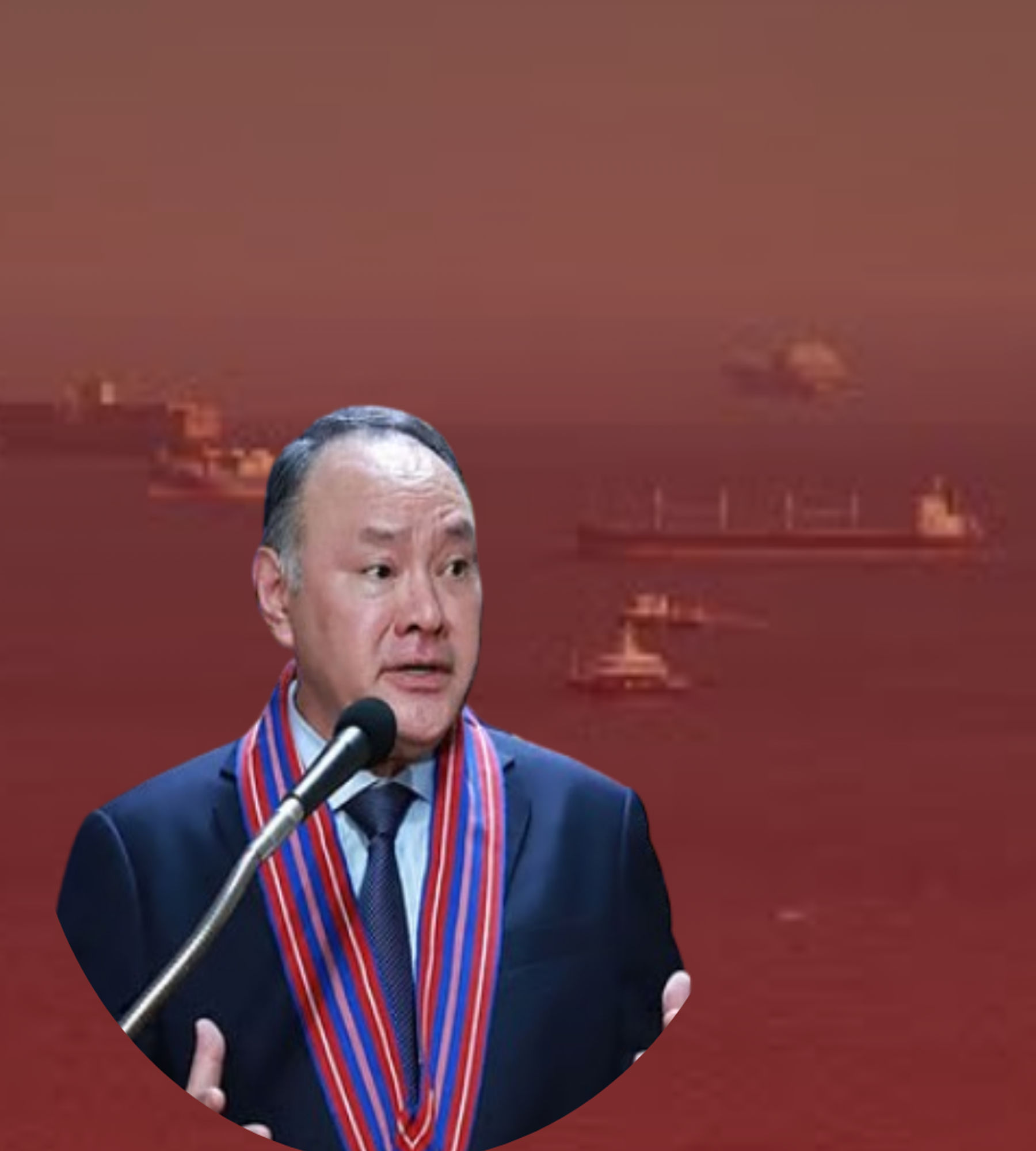
MANILA, Philippines — The Philippine government has acknowledged that it currently lacks the capability to escort oil tankers passing through the strategic Strait of Hormuz, amid rising tensions in the Middle East. The statement was made by Gilberto Teodoro Jr., Secretary of the Department of National Defense (DND), during a press briefing with reporters on Tuesday, March 17.
Teodoro’s remarks came in response to a recent appeal from Donald Trump, who called on allies of the United States to help secure and patrol the vital maritime corridor. The Strait of Hormuz is one of the world’s most important shipping routes for oil, with a significant portion of global energy supplies passing through the narrow waterway every day.
While the passage has not been officially closed, security concerns have intensified in recent weeks. Threats of potential attacks, naval mines, and other military risks reportedly linked to tensions involving Iran have led several shipping companies to avoid the route or take precautionary measures.
According to Teodoro, the Philippines currently does not have the naval assets or operational capability required to escort large oil tankers through such a high-risk zone. The statement underscores the limitations faced by smaller or developing military forces when it comes to participating in security operations far beyond their territorial waters.
For the Philippines, the issue is more complex than simply responding to an international call for assistance. While the country is an ally of the United States, its armed forces remain primarily focused on domestic defense, disaster response, and protecting its own maritime territory. Deploying naval forces thousands of kilometers away would require significant logistical capacity, advanced naval vessels, and sustained operational funding.
Beyond the immediate security concern, the situation also highlights broader questions about global burden-sharing in maintaining international maritime security. Critical chokepoints like the Strait of Hormuz are essential not just for oil-producing nations but for the global economy, including countries that depend heavily on imported fuel.
For many observers, the discussion reveals a deeper tension between global expectations and national capabilities. Not all allies possess the same resources, and participation in international security operations often depends on a nation’s strategic priorities and military readiness.
As geopolitical tensions continue to shape the stability of major trade routes, the issue also invites reflection on how smaller nations navigate their alliances and responsibilities on the global stage.
With strategic waterways becoming flashpoints in international conflicts, the question remains: should smaller allied nations expand their military capabilities to support global security efforts, or focus primarily on strengthening defense within their own borders?
(Larawan mula sa: CNN, Sunstar)