
Tiangco says Sara Duterte ‘cannot be settled politically’ — Does this reflect integrity or deepening political division?
Robel A. Almoguerra • Ipinost noong 2026-03-18 00:14:32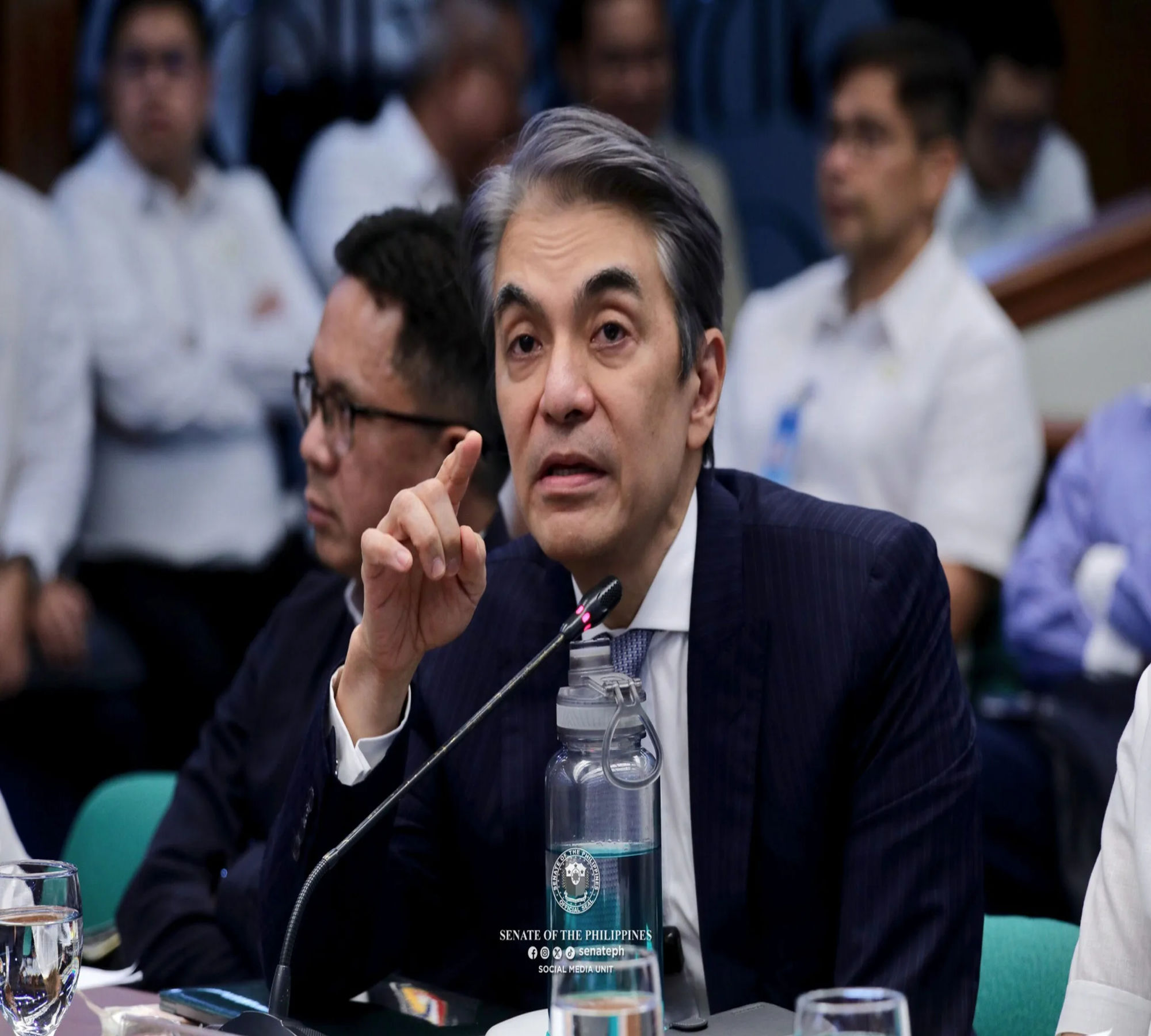
MANILA, Philippines — A recent political statement by Toby Tiangco, representative of Navotas City, has sparked strong reactions online after he publicly declared that Sara Duterte cannot be “areglohin,” or politically negotiated with, should she rise to an even higher position in government.
In an interview shared by several news outlets, Tiangco expressed his confidence in the Vice President’s political character. According to him, Duterte is someone who cannot easily be influenced or compromised by political arrangements.
“Ang sinasabi ko lang, si Sara Duterte — 1 million percent — hindi nila maaareglo,” Tiangco said.
He further explained his remark in the context of political accountability, suggesting that individuals who may have something to hide would likely be concerned about the possibility of Duterte gaining greater authority. In his view, a leader who cannot be “settled” politically may pose a challenge to those accustomed to behind-the-scenes negotiations in governance.
“So, kung ikaw yung mayroong may kasalanan, gusto mo bang manalo yung 1 million percent — hindi mo maaareglo?” he added.
Despite the strong wording, Tiangco clarified that his statement was not meant to judge other potential candidates. Instead, he emphasized that his comment reflects his personal belief about Duterte’s leadership style and reputation within political circles.
The remark quickly gained traction across social media, where supporters interpreted the statement as praise for Duterte’s perceived independence and firmness as a leader. Critics, however, questioned whether such declarations contribute to political polarization by framing leadership through the lens of loyalty and opposition rather than policy and governance.
The discussion highlights a recurring theme in Philippine politics: the public’s desire for leaders who are perceived as incorruptible or resistant to political bargaining. At the same time, governance often requires negotiation, coalition-building, and compromise among different political groups.
This tension raises an important debate about what kind of leadership the public truly values. Is strength measured by a leader’s refusal to compromise, or by their ability to balance integrity with cooperation?
As the political climate continues to evolve and discussions about future leadership intensify, Tiangco’s statement has added another layer to the ongoing national conversation.
In a political system where negotiation is often necessary, should voters prefer leaders who refuse to compromise—or those who can work across divides to govern effectively?
(Larawan mula sa: Rappler)