
Philippines says it cannot support U.S. escort mission in Hormuz — Does this reveal limits of military readiness?
Robel A. Almoguerra • Ipinost noong 2026-03-18 00:27:10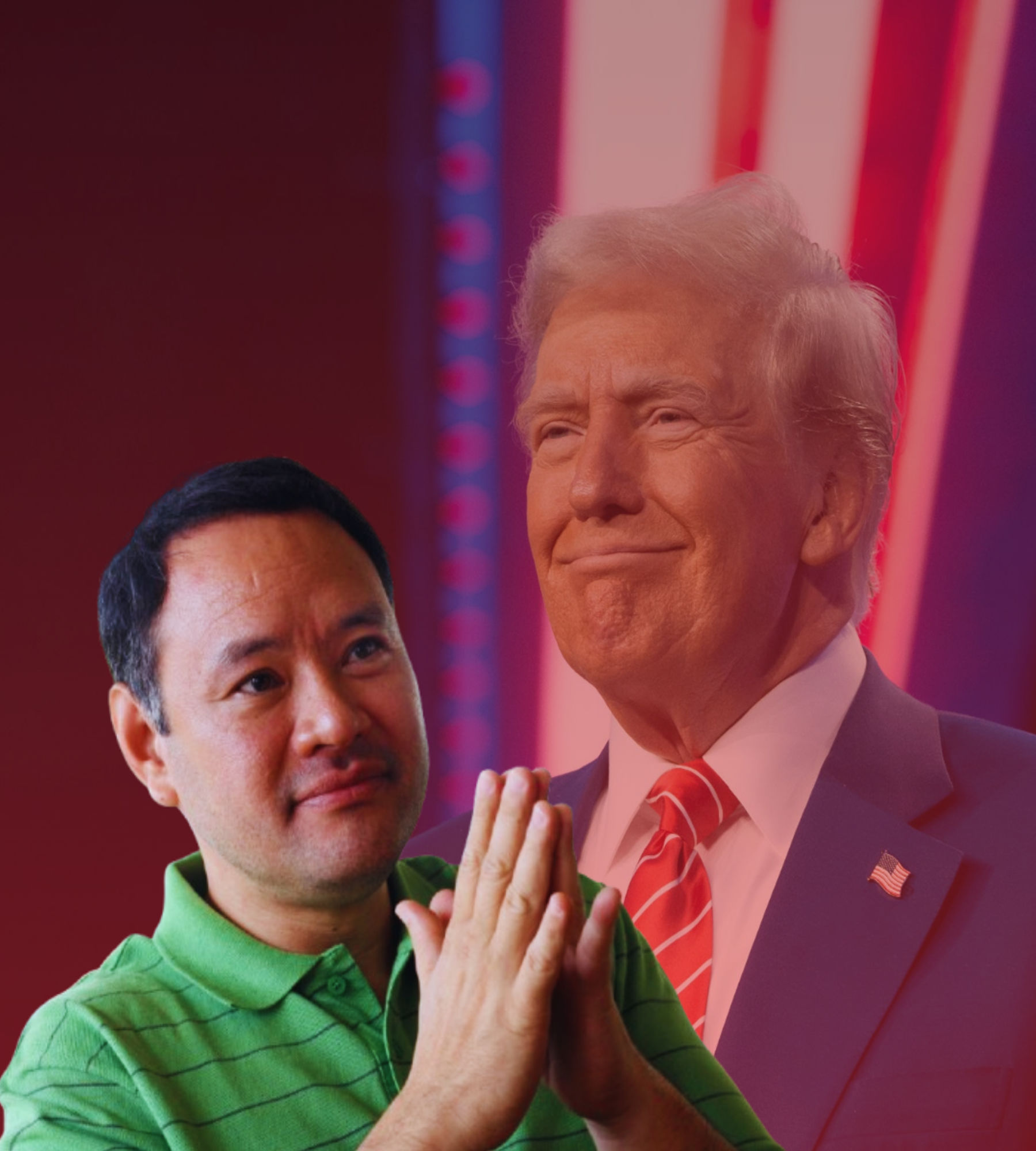
MANILA, Philippines — The Philippine government has clarified that it currently lacks the capability to assist in escorting oil tankers through the strategic Strait of Hormuz, following a call from Donald Trump for allied nations to help secure the vital maritime route.
Gilberto Teodoro Jr., Secretary of the Department of National Defense (DND), made the statement while responding to questions from reporters about whether the Philippines could contribute naval forces to the operation. According to Teodoro, the issue is largely theoretical because the country simply does not have the military capability to carry out such a mission.
“Moot and academic ‘yun e. Wala tayong capability mag-escort,” the defense chief said, acknowledging the country’s current limitations in conducting naval escort operations in distant and high-risk regions.
The appeal from the United States came amid heightened tensions in the Middle East involving Iran and Israel. The Strait of Hormuz is considered one of the world’s most critical energy chokepoints, as a significant portion of global oil shipments passes through the narrow waterway connecting the Persian Gulf to international markets.
Security concerns intensified after Iran reportedly closed or threatened to restrict access to the strait during escalating confrontations with the United States and its allies. Such developments have raised fears of disruptions in global oil supply, which could affect fuel prices worldwide.
For the Philippines, however, participating in a mission thousands of kilometers away poses practical challenges. The country’s armed forces are primarily focused on territorial defense, maritime patrols within Philippine waters, and humanitarian and disaster response operations. Escorting large commercial tankers in a conflict-sensitive international corridor would require advanced naval assets, sustained logistics, and operational readiness that the country currently does not possess.
The statement has sparked broader discussion about the expectations placed on U.S. allies and the reality of military capabilities among smaller partner nations.
As global conflicts increasingly affect trade routes and energy supplies, the situation raises an important question about international cooperation and defense preparedness.
Should smaller allied nations invest more in expanding their military capabilities for global security missions, or focus their resources primarily on protecting their own territorial interests?
(Larawan mula sa: Getty Images)