
PAGASA declares start of dry season as amihan ends
Margret Dianne Fermin • Ipinost noong 2026-03-23 16:50:16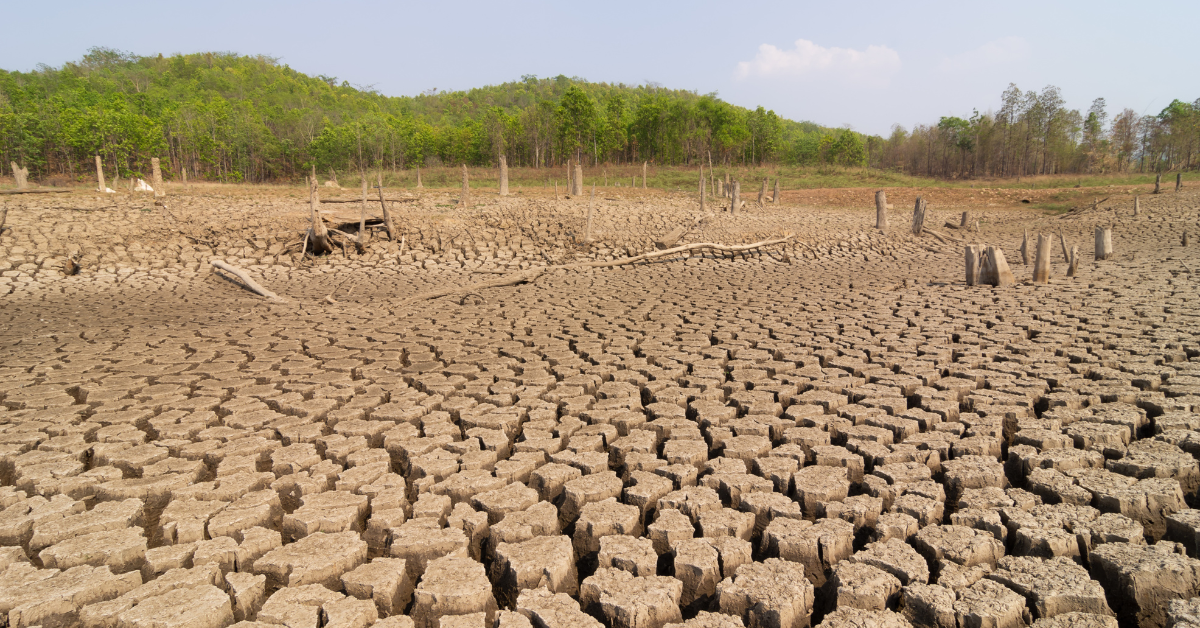
MANILA — The Philippine Atmospheric, Geophysical and Astronomical Services Administration (PAGASA) officially declared on Monday, March 23, 2026, the start of the country’s warm and dry season following the termination of the northeast monsoon or “amihan.”
PAGASA Administrator Nathaniel Servando explained that the shift in wind direction from northeasterly to easterly, caused by the formation of a high-pressure area over the Northwestern Pacific, signaled the end of amihan and the beginning of hotter, more humid conditions across the Philippines.
“It also indicates the start of the warm and dry season,” Servando said, noting that while the transition has begun, some areas in Northern Luzon may still experience occasional northeasterly winds.
The weather bureau advised the public to prepare for gradually warmer temperatures and to take precautionary measures against heat stress. Day-to-day weather is expected to be generally fair, though isolated thunderstorms may occur in some regions.
The declaration marks the official onset of summer-like conditions in the Philippines, a period typically associated with higher electricity demand, increased water consumption, and heightened risk of heat-related illnesses. PAGASA reminded communities to conserve water, stay hydrated, and avoid prolonged exposure to direct sunlight during peak hours.
For agriculture and local governments, the dry season signals the need to implement water management strategies and prepare for possible drought conditions in vulnerable areas. The Department of Agriculture has previously emphasized the importance of irrigation scheduling and crop diversification during this period to mitigate potential losses.
Tourism and recreation sectors are also expected to see a surge in activity as families and travelers take advantage of the summer weather. However, PAGASA cautioned that the public should remain vigilant for sudden thunderstorms, especially in the afternoons, which are common during the transition period.
With the dry season now underway, Filipinos can expect hotter days ahead, making it crucial to balance the enjoyment of summer activities with health and safety precautions. This annual shift underscores the importance of climate awareness and preparedness in a country highly vulnerable to weather extremes.