
Malaysia's Petronas flatly denies Davao's oil pact claim
Marijo Farah A. Benitez • Ipinost noong 2026-03-30 17:06:21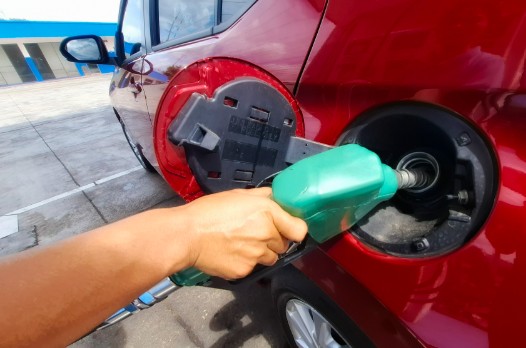
MARCH 30, 2026 — Petronas has flatly denied any fuel supply deal with Davao del Norte, stressing it is focused on securing Malaysia’s own energy needs. This denial comes as the Philippines grapples with fuel shortages, station closures, and mounting anxiety over Middle East tensions disrupting global oil flows.
When Davao del Norte Governor Edwin Jubahib announced last week that the province was negotiating with Malaysia to import 44 million liters of diesel and gasoline, it sounded like a bold, even desperate, move to shield his constituents from the oil crunch.
But Petronas quickly poured cold water on the claim, saying, “PETRONAS wishes to clarify that it is not aware of, nor involved in, any such arrangement, and has not entered into any related agreement or commitment.”
The company emphasized its priority is Malaysia’s own fuel security, not cross-border deals.
This is more than a provincial embarrassment — it’s a snapshot of how fragile our energy lifeline has become. The US-Israeli war with Iran has disrupted shipments through the Strait of Hormuz, a chokepoint for 20% of the world’s oil. The ripple effect? Sixteen gas stations across Davao Region have already shut down, with police monitoring closures to prevent hoarding.
President Ferdinand Marcos Jr. insists the Philippines has enough crude oil until June 30, but that assurance feels thin when motorists are lining up at stations and provinces are scrambling for their own supply deals.
The Petronas denial exposes a deeper issue as well: local governments are being forced to think like national energy planners. Davao del Norte’s attempt — whether premature or misrepresented — shows how vulnerable provinces feel when global conflicts choke supply lines.
For the rest of us, this translates to longer queues, higher pump prices, and uncertainty about tomorrow’s commute. And for our leaders, it’s a reminder that energy security isn’t just about contracts but about credibility, transparency, and foresight.
Can we really trust that the national government has our energy future under control?
(Image: Philippine News Agency)