
Mount Banahaw remains an active volcano — Are pilgrims aware of the risks this Holy Week?
Robel A. Almoguerra • Ipinost noong 2026-04-01 23:17:53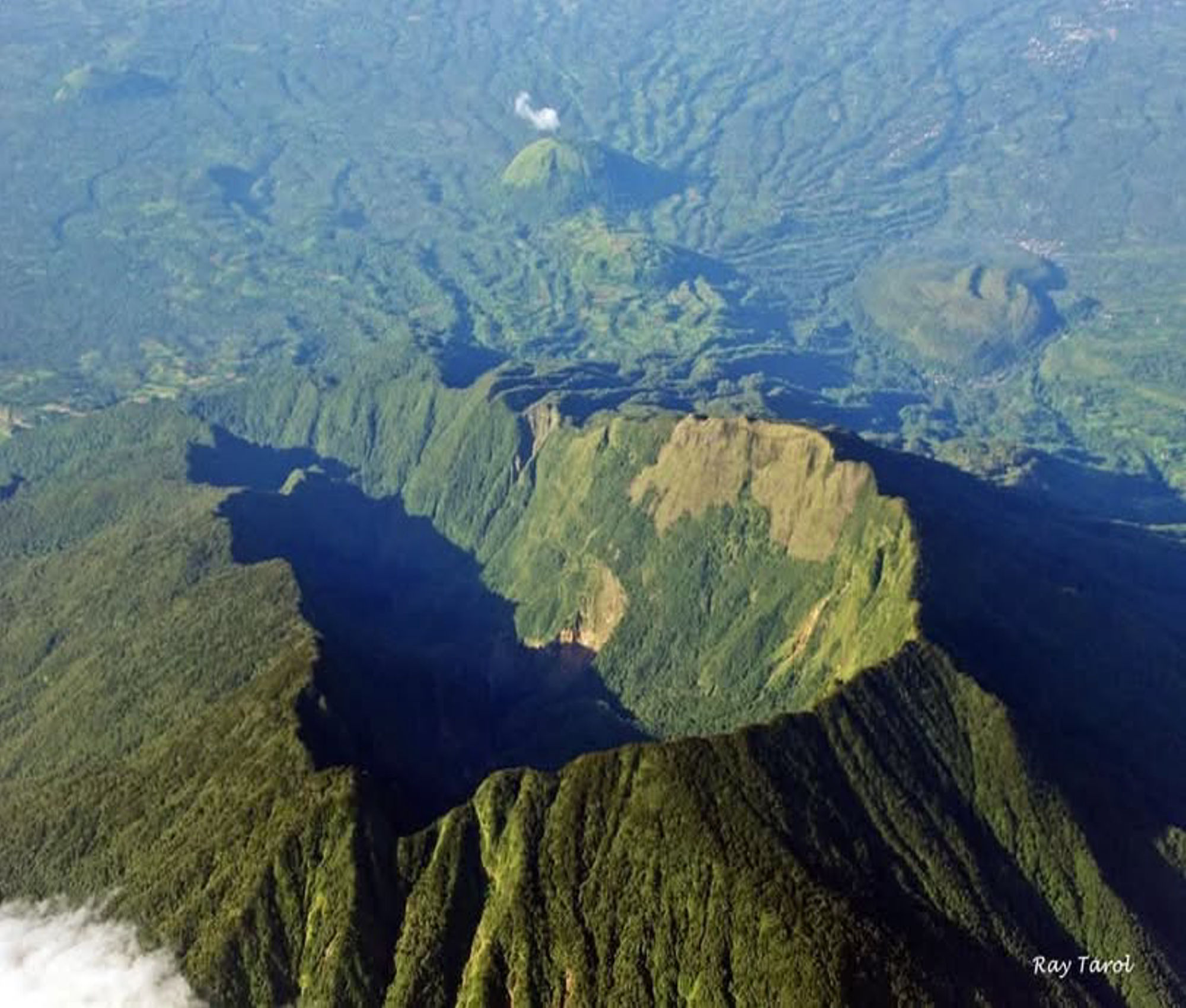
APRIL 1, 2026 — As thousands of devotees prepare to visit sacred sites this Holy Week, authorities are reminding the public that Mount Banahaw—long revered as a spiritual destination—is also classified as an active volcano. According to PHIVOLCS, the mountain meets the criteria of an “active volcano” due to its recorded eruptions in history, with the last documented activity dating back to 1843.
Straddling the provinces of Laguna and Quezon, Mount Banahaw rises approximately 2,158 meters above sea level. It continues to attract not only pilgrims seeking spiritual reflection but also hikers and nature enthusiasts drawn to its lush forests and scenic trails.
Despite its current quiet state, officials stress that being “inactive” in appearance does not equate to being safe from potential hazards. Volcanic landscapes can still pose risks such as unstable terrain, sudden weather changes, and geothermal activity. The influx of visitors during Holy Week further increases the importance of vigilance and preparedness.
This advisory raises a broader reflection on how cultural and spiritual practices intersect with environmental realities. For many, Mount Banahaw is a place of faith, healing, and tradition. Yet, its geological nature demands respect and caution. The challenge lies in balancing devotion with awareness—ensuring that spiritual journeys do not compromise personal safety.
Authorities continue to urge visitors to follow safety guidelines, respect restricted areas, and remain informed about potential risks.
As pilgrims seek spiritual renewal in sacred places, are we equally mindful of the natural dangers that come with them?
(Larawan mula: Tara na sa Lalawigan ng Quezon / Facebook)