
Sidewalk showdown: Nartatez cracks down with one-strike rule
Marijo Farah A. Benitez • Ipinost noong 2026-04-03 09:29:06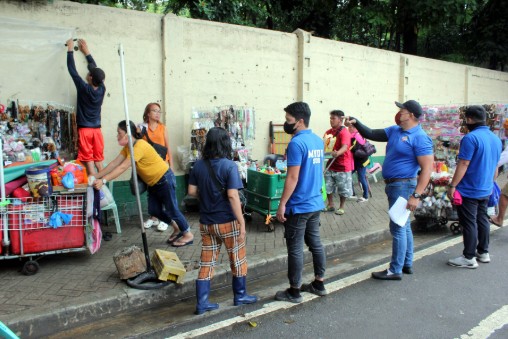
APRIL 3, 2026 — PNP Chief Gen. Jose Melencio Nartatez Jr. has ordered a sweeping crackdown on illegal vendors clogging Metro Manila’s roads and sidewalks, warning police commanders of a “one-strike policy” that could cost them their posts if they fail to act. This directive, issued during Holy Week inspections, is meant to enforce the government’s zero-obstruction policy and restore public spaces to commuters and motorists.
Metro Manila’s streets have long been a battleground between order and survival. On one side, commuters squeezed into narrow sidewalks or forced onto busy roads, risking their safety. On the other, vendors hustling to earn a living, often setting up shop right where foot traffic is heaviest — near LRT and MRT stations, bus terminals, and churches.
Nartatez’s inspections in Baclaran, Quiapo, and key transport hubs revealed what many of us already know: sidewalks have become mini-markets, pushing pedestrians into the streets and worsening traffic congestion.
“It was not good to look at. It was disturbing the motoring public and pedestrians,” PNP spokesperson Brig. Gen. Randulf Tuaño admitted.
The PNP’s stance is clear: roads belong to vehicles, sidewalks to pedestrians. Anything else is obstruction. And with the one-strike policy, police commanders who fail to clear their areas risk immediate relief from duty.
The human side of the crackdown
For many vendors, occupying sidewalks isn’t just defiance — it’s survival. Daily earnings from selling food, clothes, or trinkets often mean the difference between feeding a family or going hungry.
The PNP says commanders must initiate dialogue with vendors before clearing them out, but how much “dialogue” can really happen when livelihoods are at stake? Besides, aren’t we familiar with the saga by now? Police shoo these vendors away only for them to return the minute authorities leave the area.
This is the classic Filipino dilemma: public order versus economic survival. We want unclogged sidewalks, but we also know that informal vending is woven into the fabric of urban life. Baclaran without vendors? Quiapo without stalls? It’s almost unimaginable.
For commuters, the promise is enticing — safer sidewalks, smoother traffic, fewer hazards. For vendors, it’s a looming threat. And for police commanders, it’s a career-defining test. The one-strike policy is a blunt instrument: fail once, and you’re out.
Who really owns Metro Manila's sidewalks anyway — vendors or commuters?
(Image: Philippine News Agency)