
DOE signals coal comeback — Power supply concerns grow
Margret Dianne Fermin • Ipinost noong 2026-04-21 10:34:07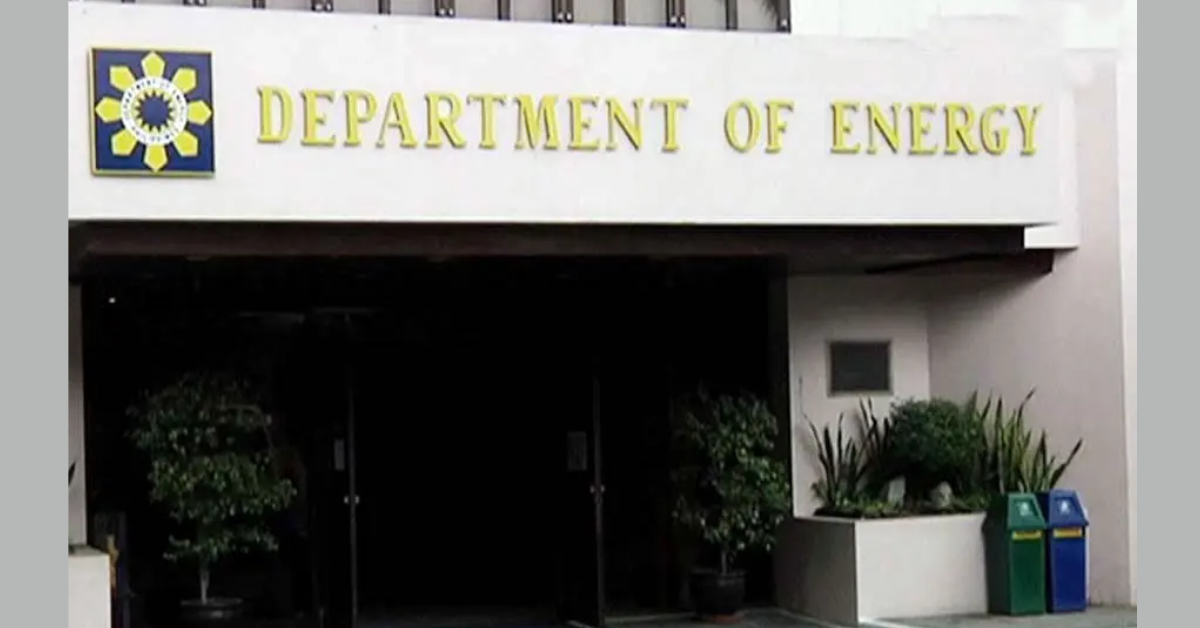
MANILA, Philippines — April 21, 2026 — The Philippine Department of Energy (DOE) has signaled it is open to lifting the six-year moratorium on new coal-fired power plants, citing energy security concerns amid rising global oil prices and supply risks linked to the Middle East crisis.
Energy Secretary Sharon Garin emphasized that any move would require cleaner coal technology and a clear transition plan toward renewable energy.
The Department of Energy confirmed it is considering proposals to allow new coal plants as the country grapples with volatile fuel markets and the threat of prolonged oil disruptions due to geopolitical tensions.
Energy Secretary Sharon Garin told reporters, “We are open to coal as long as it's cleaner technology, and there will be a transition plan to eventually transition to cleaner.”
The moratorium on new coal projects was first imposed in December 2020 to accelerate the Philippines’ shift toward renewable energy sources. However, the ongoing Middle East conflict has disrupted global oil supply chains, driving up fuel costs and prompting officials to reassess the ban.
Department of Economy, Planning, and Development Secretary Arsenio Balisacan earlier proposed lifting the ban, arguing that energy security must take precedence during times of crisis. He noted that countries such as Japan, Germany, and Italy have also revisited their renewable energy timelines in response to global fuel uncertainties.
The DOE is currently studying the feasibility of reintroducing coal plants under stricter environmental standards, with Garin stressing that the government remains committed to long-term renewable energy goals. “Yes, we’re considering it,” she said, acknowledging the delicate balance between immediate energy needs and climate commitments.
The Philippines has faced repeated power supply alerts in Luzon, where demand spikes have exposed vulnerabilities in the grid. Officials believe that diversifying energy sources, including coal, could help stabilize electricity supply while renewable projects continue to scale up.
At the same time, the DOE has introduced measures to cap fuel price adjustments during the declared national energy emergency, aiming to shield consumers from extreme volatility in oil markets.
The debate over coal underscores the tension between short-term energy security and long-term sustainability. While environmental groups are expected to oppose the move, the government insists that any coal expansion would be temporary and aligned with a structured transition to cleaner energy.
This policy shift, if implemented, could reshape the Philippines’ energy landscape, reflecting the global trend of nations recalibrating their energy strategies in response to geopolitical crises.