
El Niño alert: PAGASA warns of looming droughts, uneven rains, water crisis
Marijo Farah A. Benitez • Ipinost noong 2026-04-23 08:53:43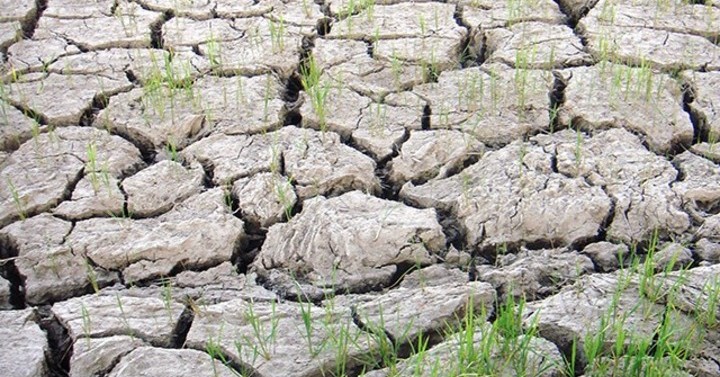
APRIL 23, 2026 — PAGASA has officially raised the country’s El Niño status to “alert,” warning that there is now a 79 percent chance the climate phenomenon will develop by June–August 2026 and may persist until early 2027. This means droughts, dry spells, and uneven rainfall could soon hit the Philippines, threatening water supply, agriculture, and energy security.
The Philippine Atmospheric, Geophysical and Astronomical Services Administration (PAGASA) upgraded its monitoring status from “watch” to “alert” on April 22, after climate models showed a sharp rise in the probability of El Niño forming.
PAGASA Administrator Nathaniel Servando explained, “It is important to clarify that the alert means that the possibility of the formation of an El Niño is higher. This means that conditions are already favorable and there is a strong likelihood that it will develop in the next two to three months.”
El Niño is a reality that Pinoys routinely live through. It brings drier-than-normal conditions, often leading to droughts, dry spells, and declining dam levels. Angat Dam, Metro Manila’s main water source, is already being flagged as vulnerable, with hydrologists warning of possible drops similar to the 2023–2024 El Niño event.
Uneven rainfall and the habagat paradox
Interestingly, El Niño doesn’t mean the whole country dries up.
PAGASA’s Climate Monitoring chief Analiza Solis noted, “For now, nakikita natin it could start as a weak El Niño and pwede po siyang mag-reach at least moderate to strong El Niño.
(For now, it could start as a weak El Niño and may reach at least moderate to strong intensity.)
This means while Luzon and parts of Mindanao may suffer below-normal rainfall, western Luzon, Palawan, and parts of the Visayas could actually see above-normal rains during the habagat season.
It’s a paradox: some regions may flood while others dry up.
Food, power, and survival
The implications are massive. Farmers face the risk of parched rice fields, threatening food supply. Energy providers may struggle as hydroelectric dams lose water. Households could see water rationing in Metro Manila. And let’s not forget the health risks — heat waves, dehydration, and waterborne diseases thrive in these conditions.
Government agencies are now scrambling. Task Force El Niño is set to convene, aiming to prepare for both drought and excessive rainfall scenarios.
But the question is, will preparations be enough? We know too well that warnings often come, but actual support on the ground can be slow.
This El Niño alert is more than a weather forecast — it’s a test of resilience. For decades, we have endured typhoons, floods, and droughts. But climate change is making these cycles harsher and less predictable. The looming El Niño is a reminder that our water, food, and energy systems are fragile.
The challenge is not just scientific — it’s political and social. Will the government act decisively, or will we once again be left to fend for ourselves? Will Metro Manila’s water crisis deepen, or will proactive measures save us from rationing?
And most importantly, will this El Niño push us to finally rethink how we manage our resources?
(Image: Philippine News Agency)