
No work, big pay: Bato’s camp weighs giving up salary, allowances
Marijo Farah A. Benitez • Ipinost noong 2026-04-28 15:54:55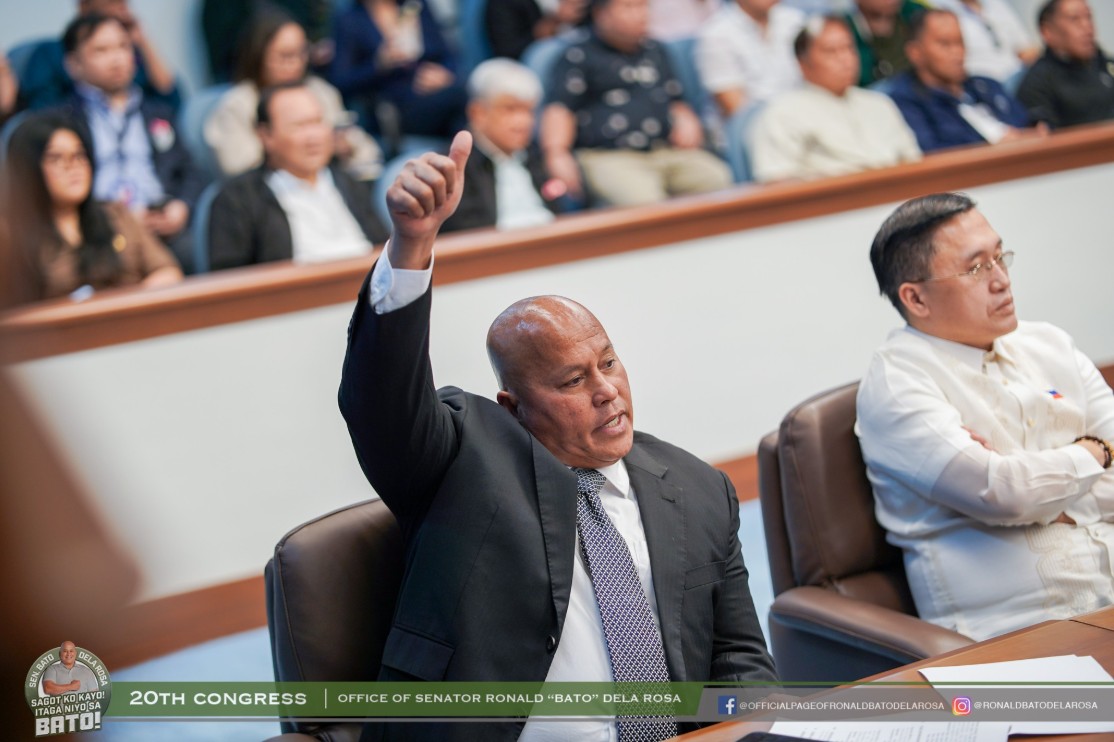
APRIL 28, 2026 — Senator Ronald “Bato” dela Rosa’s camp is now seriously weighing the proposal for him to voluntarily stop receiving his salary and allowances amid his prolonged absence from the Senate, a move that could ease mounting public pressure and potentially dismiss the ethics complaint filed against him.
For months now, Senator Ronald “Bato” dela Rosa has been a ghost in the halls of the Senate. Since November 2025, he has not attended a single session, missing 31 out of 58 session days as of mid-April, making him the top absentee in the 20th Congress.
His absence coincided with reports that the International Criminal Court (ICC) had issued a warrant for his arrest over alleged crimes against humanity linked to the Duterte administration’s bloody war on drugs.
Despite being missing in action, dela Rosa continued to receive his ₱237,000 monthly salary plus allowances, sparking outrage among ordinary workers who live under the “no work, no pay” reality. Civil society group Wag Kang KuCorrupt filed an ethics complaint against him, accusing him of dereliction of duty and misuse of public funds.
Senator JV Ejercito, chair of the Senate Ethics Committee, has been vocal about the issue. He urged dela Rosa to voluntarily waive his salary and allowances, saying it would be the fastest way to ease pressure on the Senate and the public.
“Kasi kung susundin mo talaga yung rules, medyo matagal tagal, tedious yung process. So, para na maano na rin, mawala yung pressure sa Senate, mawala yung pressure halimbawa kay Sen. dela Rosa, eh siguro, ano yung request natin, ito voluntary, forgo yung kanyang or waive niya yung salaries and allowances,” Ejercito explained.
(Because if you strictly follow the rules, the process would take quite a while and be tedious. So, to ease the pressure on the Senate and on Senator Dela Rosa himself, perhaps our request should be for this to be voluntary — that he forgo or waive his salaries and allowances.)
Ejercito revealed that while they still don’t have direct contact with dela Rosa, his camp has relayed that they are “seriously studying” the proposal.
Senate President Tito Sotto reportedly agreed that a voluntary waiver would be the most practical solution. If dela Rosa agrees, Ejercito noted, the ethics complaint could be dismissed since it was anchored on his continued receipt of salary despite not reporting to work.
This issue cuts deep for the public. Ordinary workers are expected to show up to their jobs every day or risk losing their pay. So why should senators be exempt from the same accountability?
This controversy highlights the gap between public servants and the people they claim to serve, raising questions about fairness, transparency, and trust in democratic institutions.
It’s really quite simple. If ordinary workers live by the “no work, no pay” rule, then shouldn’t senators — supposedly “public servants ” — be held to the same standard?
(Image: Senator Ronald "Bato" Dela Rosa | Facebook)