
UP institute slams misuse of unfinished Cebu flood study, says liability still unresolved
Marijo Farah A. Benitez • Ipinost noong 2026-04-28 11:51:24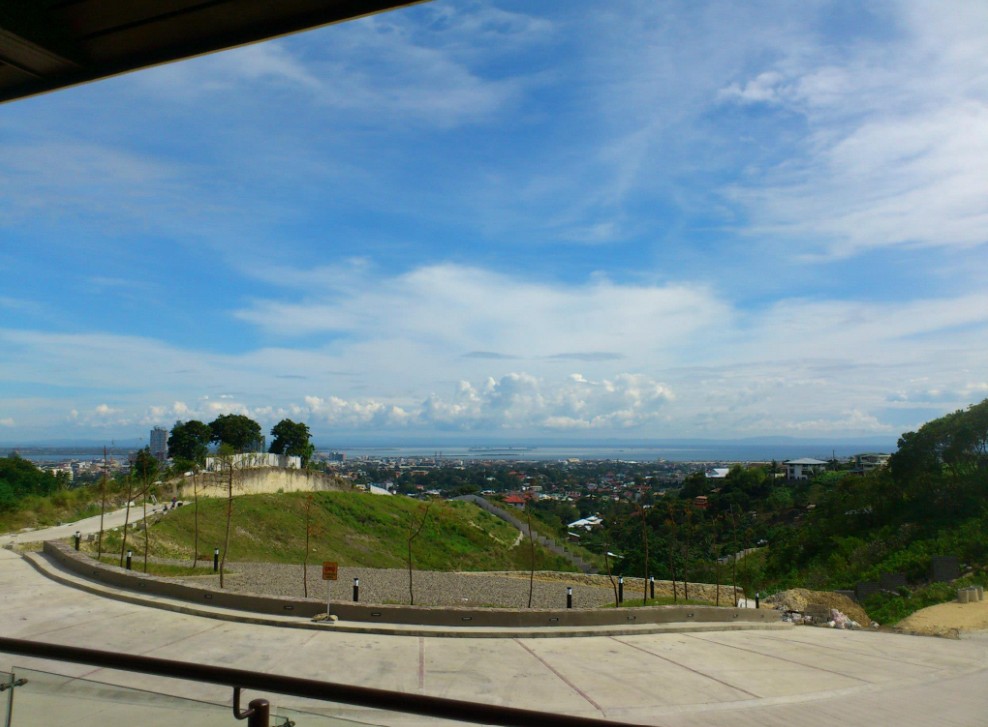
APRIL 28, 2026 — The University of the Philippines’ Institute of Environmental Science and Meteorology (IESM) has clarified that its flood modeling study on Monterrazas de Cebu is not a verdict on liability, stressing that the research is unfinished and limited in scope. This warning comes as developers and celebrity engineer Slater Young cite the study to defend the hillside project against blame for the deadly Typhoon Tino floods in 2025.
IESM’s Environmental Hydrology Laboratory, led by Dr. Mayzonee Ligaray, simulated flooding in two river basins — Guadalupe and Kinalumsan — out of six in Cebu. Their preliminary findings showed Monterrazas’ detention ponds acted as buffers, reducing peak runoff by up to 99.74% during Typhoon Tino’s extreme rainfall.
But Ligaray emphasized this was a desktop study, reliant on public datasets and developer-provided designs, not a full Environmental Impact Assessment.
“Like all scientific studies, their analysis was conducted on the basis of specific assumptions, defined model boundaries, and particular research objectives,” IESM said, cautioning against interpreting the results as proof of innocence or guilt.
On April 19, Slater Young released a video citing the UP study as evidence that Monterrazas did not worsen the floods. He claimed the project’s ponds nearly doubled required standards and helped mitigate damage.
“The science does not just say that we did not cause the flooding, but that the systems we have built in place helped reduce it,” Young insisted.
But IESM’s statement, without naming him, stressed the importance of interpreting findings within technical scope and alongside broader community considerations. In short: the study cannot be weaponized as a shield against accountability.
Government action and compliance
The Department of Environment and Natural Resources (DENR) previously halted Monterrazas after finding 10 violations of its Environmental Compliance Certificate, including drainage failures. The developer later paid a ₱400,000 fine, rehabilitated ponds, and added more detention structures — bringing the total to 23 ponds, exceeding permit requirements.
With these corrective measures, DENR Region 7 lifted the stoppage order earlier this month.
For Cebu residents who lost loved ones and homes, the debate over liability is about justice and safety. The floods killed over 100 people and devastated communities. Now, with developers citing unfinished science and regulators allowing construction to resume, Cebuanos are left wondering: Who really bears responsibility when hillside projects rise above vulnerable barangays?
The bigger issue is transparency. If studies are preliminary, why are they being used in public relations campaigns? If violations were found, why is clearance granted so quickly? And if extreme rainfall is the culprit, what safeguards are in place for the next typhoon?
(Image: Monterrazas de Cebu | Facebook)