
Legarda pushes anticipatory finance for climate resilience, protecting vulnerable Filipinos and empowering youth leadership
Cesar Patrick F. Bonales • Ipinost noong 2026-04-30 19:23:38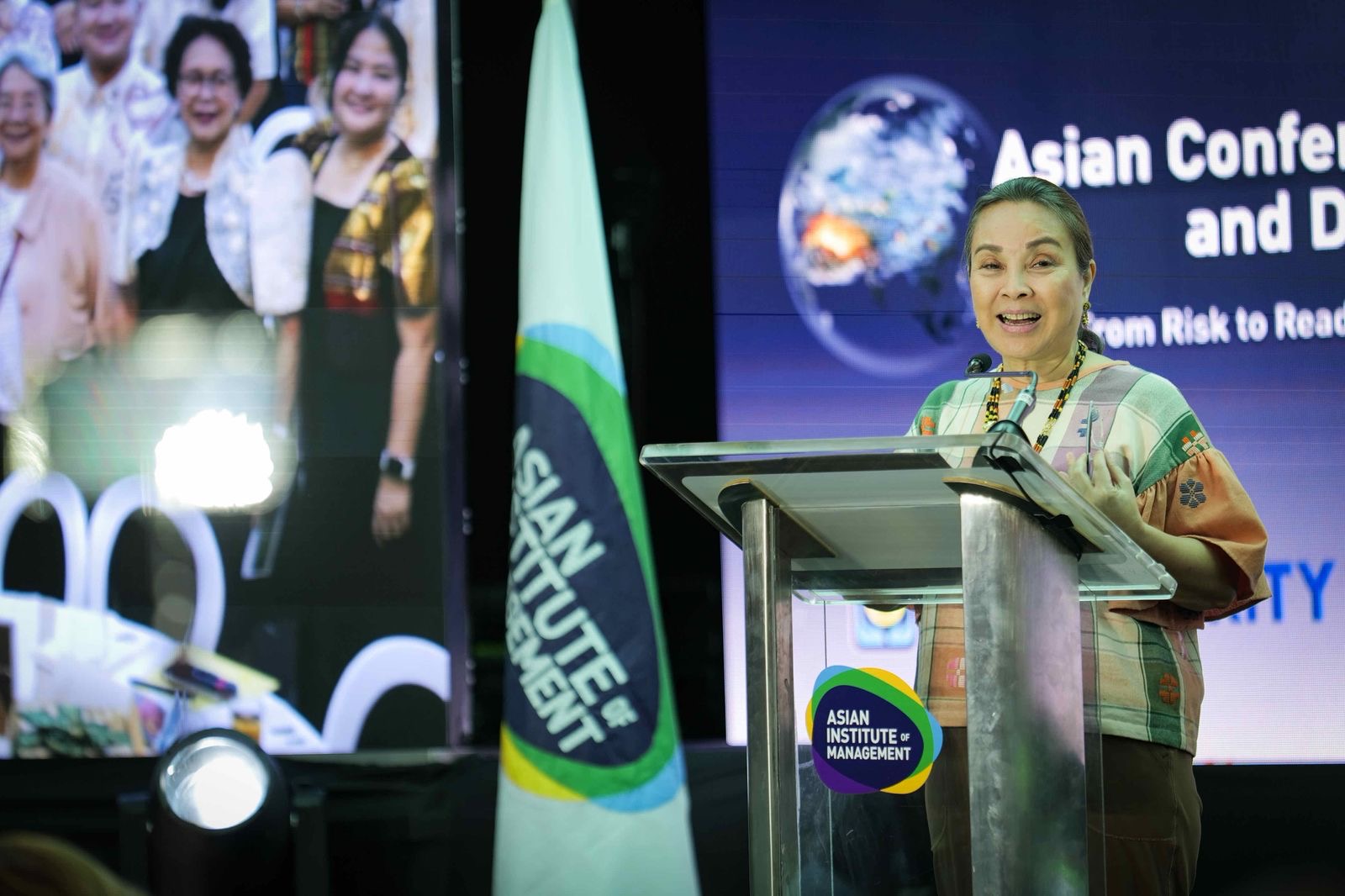
Senator Loren Legarda on Thursday called for a decisive shift from the cycle of “trauma and repair” toward proactive climate readiness, urging the Philippines to legislate for anticipation to safeguard communities before disasters strike.
Legarda delivered her keynote address at the Asia Conference on Climate Change and Disaster Resilience (ACCCDR) on April 30, 2026 at the Asian Institute of Management in Makati City before representatives from the World Bank, Asian Development Bank, Climate Change Commission, Bangko Sentral ng Pilipinas, and leaders from climate-vulnerable cities.
She recalled warning three years ago of an “existential threat” and cited UN Secretary General António Guterres’ description of “global boiling,” noting that intensifying typhoons, rising seas, and the global unavailability of fertilizers after fossil fuel facility destruction now accelerate food crises.
“We have become experts in counting the dead and repairing the broken, but we have not yet mastered the art of anticipating the blow,” Legarda said, pointing to what she described as the dangerous “First Mile/Last Mile disconnect” where funds and policies exist but arrive too late.
“This disconnect is critical. It is the space where dreams are shattered and lives are lost. We must legislate for anticipation,” she added.
Legarda outlined three urgent priorities in her keynote. She said legislative innovation is needed to break the divide between relief and readiness, stressing that disaster funds must be released based on forecasts rather than waiting for a calamity declaration.
“We must tear down the firewall between relief and readiness,” she stated.
The four-term senator added that protecting vulnerable families must be central to fiscal policy, pushing for automatic cash transfers tied to PAGASA forecasts and embedding anticipatory action into conditional cash transfer programs for women, indigenous peoples, the elderly, PWDs, and geographically isolated communities.
Legarda further called on mayors and development partners to stop financing projects that merely restore risk and instead invest in measures that reduce it.
“If we are serious about resilience, then our financing, both the loans and the GAA, must stop restoring risk and finally start reducing it,” she said.
Legarda emphasized the financial dimension of resilience. “Resilience is also financial. It is about liquidity. It is about the speed of the peso moving from the national treasury to a local barangay before the storm makes landfall,” she said. “Anticipatory action is an exercise in risk management; it protects macroeconomic stability, reduces financial shocks, safeguards long-term growth, and is a step towards genuine climate justice.”
The senator highlighted the role of young Filipinos in building resilience, urging that they be given priority access to the People’s Survival Fund and the opportunities created by the Philippine Ecosystem and Natural Capital Accounting System (PENCAS) law, which she authored.
“We must invest in the energies and capacities of our youth. While we rightly discuss the transition to renewable energy sources, we must also recognize the human energy of our youth as our most potent renewable resource,” Legarda said.
Legarda ended by stressing that preparedness should be measured by what is prevented rather than what is rebuilt, underscoring collective resolve to confront the climate crisis in defense of life, livelihood, and the future of Filipinos.
The conference, themed “From Risk to Readiness: Investing in Climate Futures in Asia,” showcased programs such as AIM’s graduate scholarships in disaster risk and data science, building a pipeline of skilled leaders nationwide.