
Why are we paying for subsidies? Bam Aquino says government must foot the bill, not consumers
Marijo Farah A. Benitez • Ipinost noong 2026-04-28 15:52:36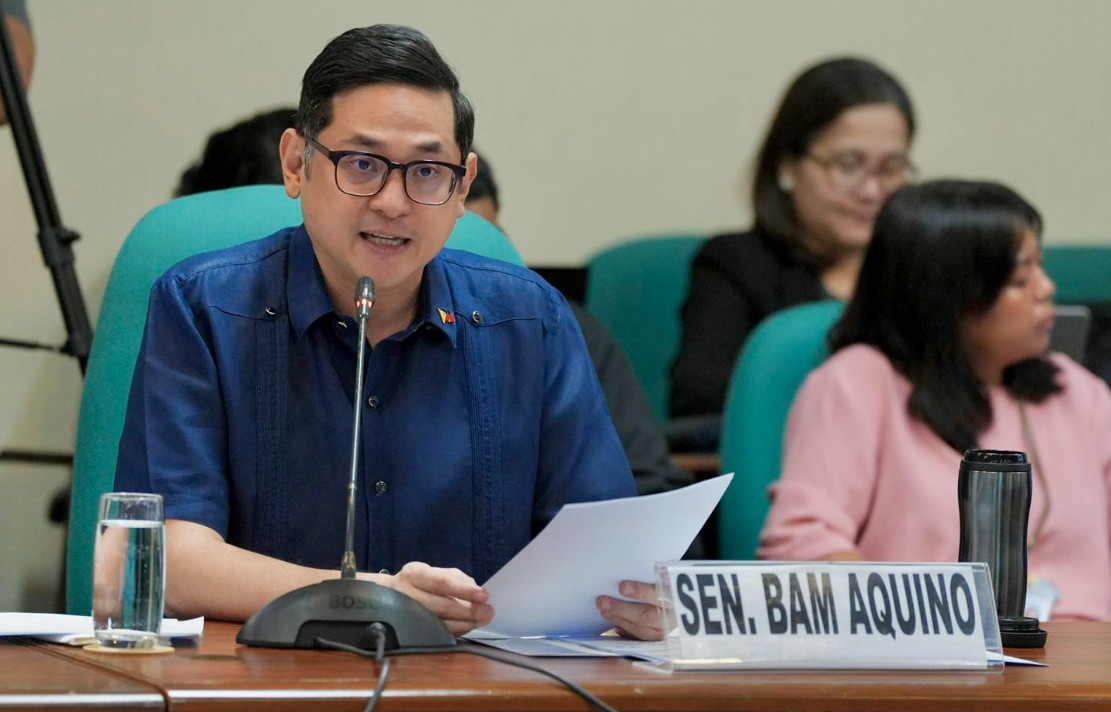
APRIL 28, 2026 — Senator Bam Aquino is challenging the way electricity subsidies are funded, arguing that they should come from the national budget instead of being passed on to ordinary consumers — especially low- and middle-income households already struggling with rising bills. His Senate Resolution No. 375 puts the spotlight on the lifeline rate and other mandated discounts, raising questions about fairness, transparency, and accountability.
Electricity bills have been climbing this April, with Meralco citing higher generation charges, the weakening peso, and seasonal demand as reasons. Consumers, however, are frustrated that mandated subsidies — like those for senior citizens and 4Ps beneficiaries — are being passed on to them through a cross-subsidy mechanism.
Aquino’s resolution points out that this system redistributes costs in a way that disproportionately affects non-beneficiary households. Based on initial estimates, subsidy-related charges can add ₱20 to ₱100 per month to electricity bills, depending on consumption. For families already tightening their belts amid an oil crisis, that’s no small amount.
“Busisiin natin ang karagdagang bayad na ito. Marami nang naghihirap na Pilipino at middle class. Hindi na dapat dagdagan ang gastusin ng taumbayan kung may pera naman ang gobyerno para sa ayuda,” Aquino said.
(Let us scrutinize these additional charges. Many Filipinos, including the middle class, are already struggling. The public should not bear additional costs if the government has funds for assistance.)
Aquino insists that the lifeline rate subsidy is important — it ensures poor households can access electricity. But he stresses that its financing must be equitable and sustainable, not at the expense of other consumers. By shifting the funding to the national budget, he argues, the government can promote transparency and accountability while sparing households from hidden charges buried in their monthly bills.
Meralco’s defense
Meralco, for its part, clarified that these subsidies are mandated by law, not company-imposed. Joe Zaldarriaga, Meralco’s spokesperson, explained that electricity costs are largely driven by generation, transmission, distribution, taxes, and “other charges.” He emphasized that subsidies like the lifeline rate and senior citizen discounts are government directives, not profit-making schemes.
Still, this explanation doesn’t ease the sting for consumers who feel they’re paying for benefits they don’t receive. The debate now centers on whether the government should absorb these costs directly, rather than letting them trickle down to households already burdened by inflation and high utility bills.
This issue cuts to the heart of fairness in public policy. Should subsidies designed to help the poorest be funded by those who are barely getting by themselves? Or should the government, with its national budget, take full responsibility for social protection measures?
Aquino’s proposal forces us to confront uncomfortable truths: the middle class is often squeezed from both ends — too “rich” to qualify for subsidies, yet too “poor” to absorb extra charges without sacrifice.
If the government truly wants to protect vulnerable sectors, shouldn’t it shoulder the cost instead of passing it on to households who are also struggling?
What’s your take? Should Filipino households continue carrying the weight of subsidies, or is it time for the government to finally put its money where its mouth is?
(Image: Bam Aquino | Facebook)