
Bato torn between Senate duty and fear of Hague arrest, says Cayetano
Marijo Farah A. Benitez • Ipinost noong 2026-04-29 06:50:45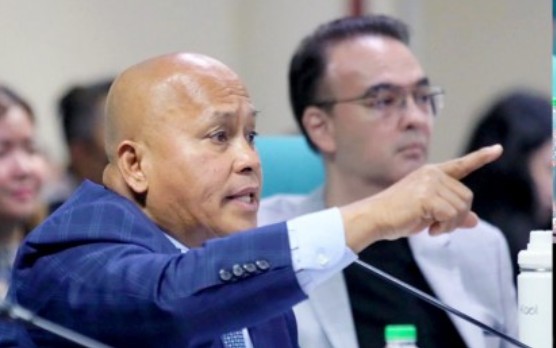
APRIL 29, 2026 — Senator Ronald “Bato” dela Rosa’s prolonged absence from the Senate has taken a new twist, with Senate Minority Leader Alan Peter Cayetano revealing that Bato wants to return to work but fears being arrested and flown to The Hague.
Cayetano stressed, “Senator Bato wants to enter. He doesn’t want not to enter. The minority wants him to enter. The majority wants him to enter.”
Yet, the senator’s absence since November 2025 stems from fears that the International Criminal Court (ICC) could arrest him over his role in the Duterte administration’s bloody war on drugs.
While no official red notice has been issued, the shadow of an ICC warrant looms large.
Cayetano argued that under the 1987 Constitution, only Philippine judges can issue arrest warrants. He insisted that if there is a warrant from abroad, it must go through local courts.
“So if a warrant of arrest comes from abroad, it still has to go through our own courts. That’s our position. But no one can give Senator Bato any assurance,” he said.
Meanwhile, Senator JV Ejercito, chair of the Senate Ethics Committee, revealed that Bato’s camp is “considering” waiving his salary and allowances to address the ethics complaint filed against him. Ejercito explained that if Dela Rosa voluntarily declines his wages, the complaint could be dismissed since its basis would no longer exist.
This move, however, raises eyebrows. Should a senator’s accountability be reduced to whether or not he accepts his salary, while the bigger issue of absence and responsibility remains unresolved?
Cayetano warned that if the government cannot guarantee that Dela Rosa will have his “day in court” locally, then the senator has reason to fear being whisked away to The Hague.
How should the Philippines balance its sovereignty with international accountability? The ICC’s involvement in Duterte’s drug war has already polarized Filipinos — some see it as overdue justice, others as foreign interference.
For most working-class Filipinos, the issue resonates with the principle of “no work, no pay.” If everyday workers are held accountable for their absences, why should senators be treated differently?
At the same time, the ICC’s looming presence forces us to confront whether our justice system is strong enough to handle cases of alleged crimes against humanity without external intervention.
Do you think Bato’s absence is a matter of personal fear, political maneuvering, or a glaring weakness in our justice system? And more importantly, what precedent does this set for future leaders who may face international scrutiny?
(Image: Philippine News Agency)