
Fuel subsidy delay in Pagbilao clarified — When aid is urgent, should the process move faster?
Robel A. Almoguerra • Ipinost noong 2026-04-29 22:18:44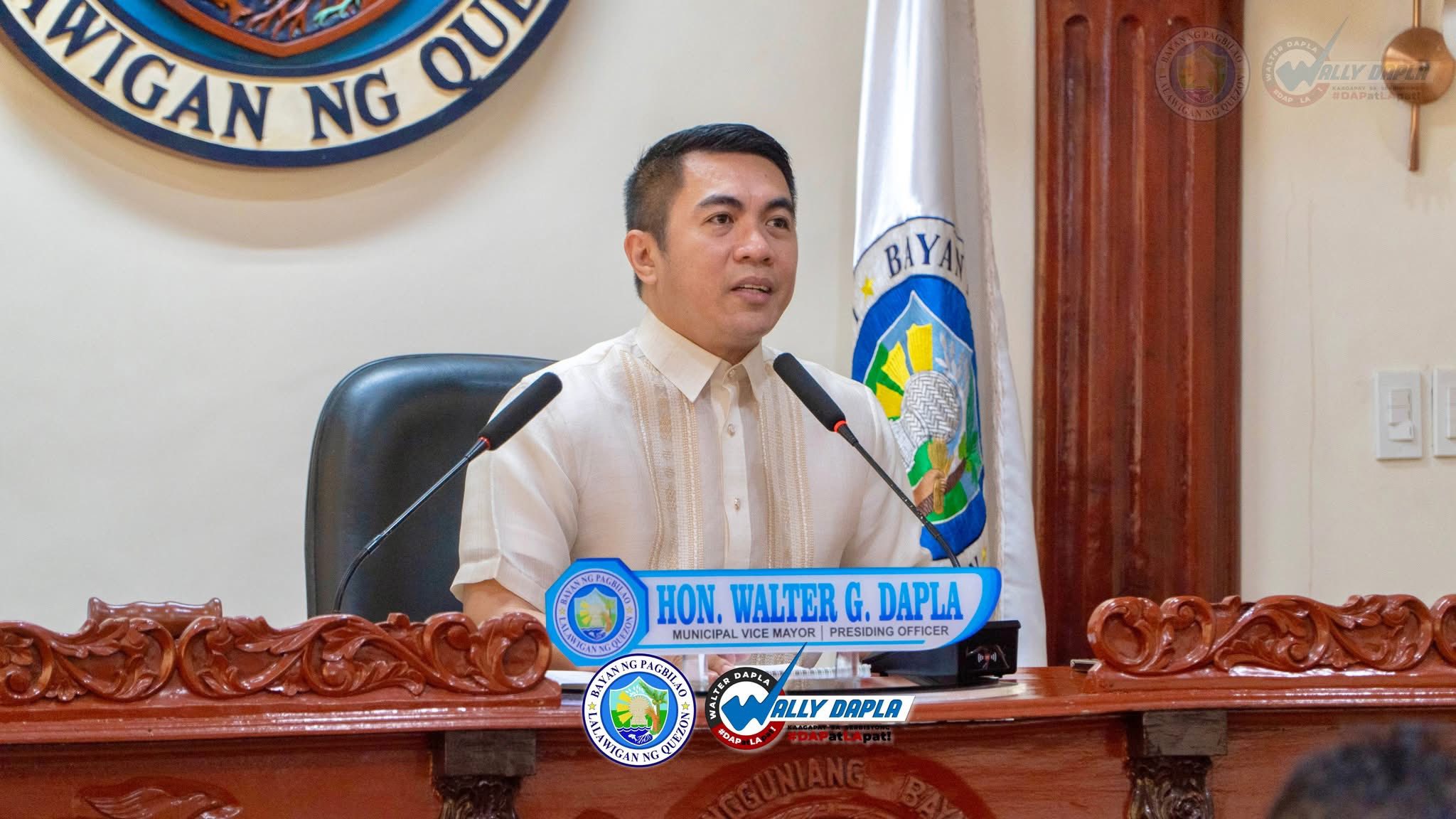
PAGBILAO, Quezon — Pagbilao Vice Mayor Walter “Wally” Dapla has addressed growing concerns regarding the delayed release of fuel subsidy assistance intended for the town’s transport sector, particularly jeepney and tricycle operators and drivers who continue to struggle with rising fuel costs.
In a statement following the 42nd Regular Session of the 12th Sangguniang Bayan on April 28, 2026, Dapla explained that Supplemental Budget No. 3, where the proposed funding for the transport fuel subsidy is reportedly included, has not yet been deliberated. According to him, the council is still reviewing Supplemental Budget No. 2, where several revisions were said to be necessary.
The vice mayor emphasized that the Sangguniang Bayan is not blocking any program meant to help residents, especially drivers and operators heavily affected by the ongoing oil price crisis. He added that no formal Proposed Executive Supplemental Budget No. 3 had yet been submitted to the council while Budget No. 2 remains under discussion.
The issue comes at a difficult time for the transport sector. Since fuel prices began climbing in late February, many drivers have faced shrinking daily earnings while still paying boundary fees, maintenance costs, and household expenses. National fuel subsidy programs have already rolled out in different areas, increasing expectations for similar local support.
This controversy reveals a familiar tension in governance: the clash between due process and urgent need. Budget reviews, legal procedures, and accountability mechanisms are necessary in public spending. Yet for workers living day-to-day, delays can feel less like procedure and more like neglect.
Both sides hold valid concerns. Officials must ensure funds are lawful and properly allocated. Citizens, however, measure governance not by paperwork timelines but by whether help arrives when it is most needed.
The real challenge is whether local institutions can become both careful and compassionate at the same time.
The question now is this: when people are already suffering, should government prioritize perfect procedure—or faster relief with accountability?
(Larawan mula: Wally Dapla / Facebook)