
‘Tapos na ang maliligayang araw’: fuel relief gone as Hormuz clash sends pump prices soaring
Marijo Farah A. Benitez • Ipinost noong 2026-05-01 18:21:56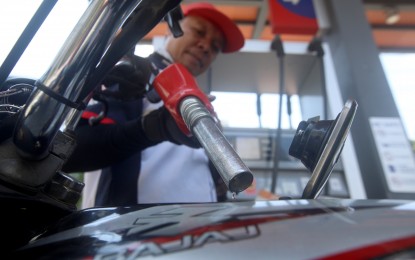
MAY 1, 2026 — Motorists are bracing for a sharp fuel price hike next week as Middle East tensions reignite, ending the brief relief at the pump. Diesel is projected to rise by ₱1.50–₱2 per liter, while gasoline may climb ₱2–₱2.50, driven by the US-Iran deadlock over the Strait of Hormuz.
After weeks of rollbacks that saw diesel prices slashed by as much as ₱24.94 per liter, the tide is turning. The Mean of Platts Singapore (MOPS) trading average signals an upward correction, with both diesel and gasoline set to increase. This reversal comes as supply concerns mount globally, with the Strait of Hormuz — through which 20% of the world’s petroleum flows — once again under blockade.
Industry experts point to the US-Iran standoff as the key driver. Both sides have seized vessels attempting to transit Hormuz, and Washington recently rejected Tehran’s proposal to reopen the passage.
“The US-Iran war deadlock has pushed prices higher due to mounting supply worries,” one analyst explained.
This means that even if shipments manage safe passage, the risk premium baked into global oil prices keeps pump costs elevated.
The Department of Energy (DOE) insists it is working to shield motorists. Under Executive Order 110, which declared a state of national energy emergency, the DOE can prescribe price adjustments. This means rollbacks must meet a minimum threshold, while hikes are capped to prevent runaway increases.
Energy officials admit, however, that the crisis could last until end-2026, as the blockade continues to choke supply lines.
For jeepney drivers, delivery riders, and everyday commuters, this shift is a direct hit to daily survival. The peso’s shrinking purchasing power, coupled with rising costs of basic goods, magnifies the burden. Relief at the pump was a rare breather, but the looming hikes threaten to undo it quickly. The Philippines, importing 98% of its crude from the Middle East, remains a price taker in the global market, with little leverage to soften the blow.
With fuel relief ending and global tensions showing no signs of easing, how much longer can we endure the squeeze at the pump?
(Image: Philippine News Agency)