
Norman Black explains Gilas media blackout before SEA Games
Margret Dianne Fermin • Ipinost noong 2025-12-24 09:39:11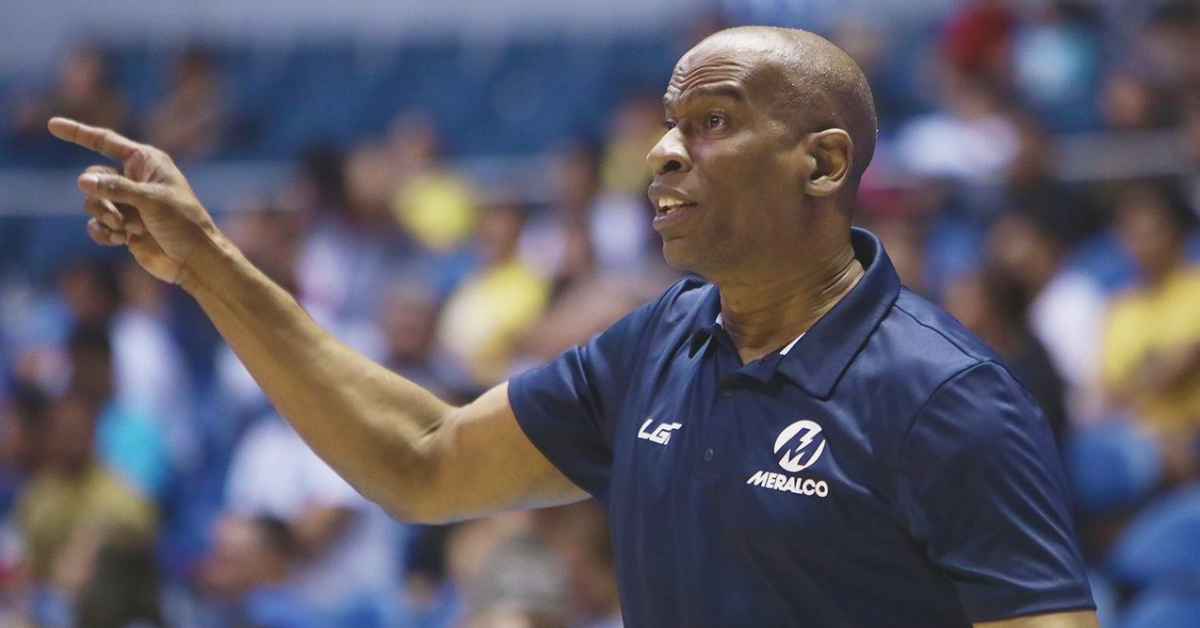
BANGKOK — Gilas Pilipinas coach Norman Black revealed that the team’s decision to go silent with the media ahead of the 2025 Southeast Asian Games in Thailand was a deliberate strategy to protect the squad from further complications.
With Thailand as the host imposing restrictions that forced multiple roster changes, Gilas Pilipinas only finalized its lineup days before the tournament. Limited practice time meant the team had to rely heavily on talent, chemistry, and familiarity among players to quickly come together and maximize its chances of success.
Black explained that the media blackout was intentional and aimed at shielding the team from external interference. “I know I shut down the media a little bit, and I didn't talk because every time I would say something, it seemed like the organizing committee would change the rules. So I decided I wasn't going to mention anything publicly anymore because they're using our information against us,” he said.
He added that maintaining silence allowed the team to focus internally, avoiding distractions and sudden adjustments prompted by public disclosures. Despite the challenges, Gilas leaned on its core strengths and familiarity among players as it prepared for regional competition.
The SEA Games basketball tournament remains a major platform for national pride, and Gilas Pilipinas entered the event with high expectations despite logistical and regulatory hurdles. Black’s approach highlighted the tension between transparency and competitive secrecy in international sports, particularly when host-imposed conditions affect preparation.
Silence as Strategy in Uneven Competition
Norman Black’s decision to limit media access raises an uncomfortable but necessary question. At what point does openness stop being a virtue and start becoming a liability? In an ideal sporting environment, transparency builds trust. In reality, uneven rules and shifting conditions can turn information into leverage.
International competitions thrive on fairness. When teams feel compelled to withhold basic details to protect themselves, it signals a deeper structural problem. Preparation should be shaped by performance goals, not by fear that public statements may trigger last-minute rule changes.
Gilas Pilipinas’ silence was not about avoiding accountability. It was about preserving stability. Coaches need room to plan, players need mental space to prepare, and teams need assurance that the playing field will not shift without warning. When that assurance disappears, silence becomes a form of defense.
This situation also highlights the power imbalance between host organizers and visiting teams. Hosting comes with responsibility. Rules must be clear, consistent, and insulated from competitive influence. Otherwise, the spirit of regional competition is weakened.
The focus should return to basketball. Strategy, skill, and teamwork should decide outcomes, not who speaks less or reveals less. Silence may have helped Gilas survive this moment, but fair play demands a system where it is no longer necessary.
Image from ESPN