
Louvre adds security bars months after $102 million jewel heist
Margret Dianne Fermin • Ipinost noong 2025-12-24 09:39:22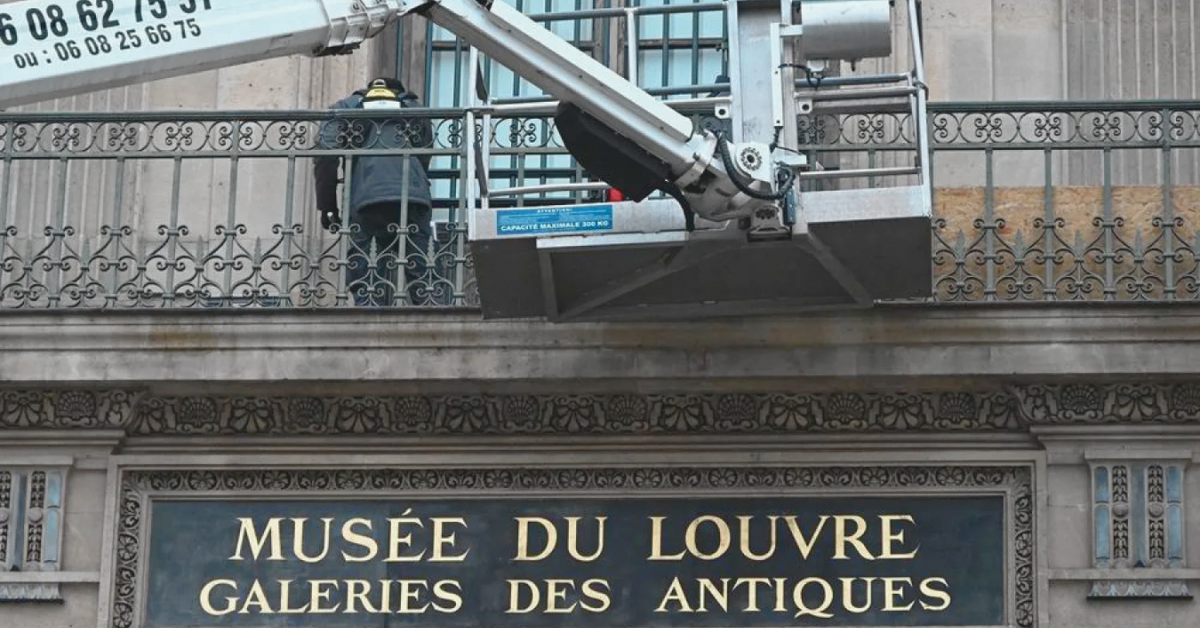
PARIS — The Louvre Museum has installed security bars on the balcony of its Apollo Gallery, the same access point used by burglars in October to carry out one of the most audacious jewel heists in recent history.
On October 19, four suspects broke into the museum by parking a movers’ lift outside, climbing onto the balcony, smashing a window, and forcing open display cases with angle grinders. The group fled on scooters driven by accomplices, escaping with crown jewels valued at an estimated $102 million in a heist that lasted less than seven minutes.
On Tuesday, workers used a crane to install a metal grille over the balcony door, sealing off the vulnerable entry point. In a statement, the museum said it was strengthening its security architecture following the October 19 theft.
The Louvre also announced additional measures, including the deployment of a mobile police unit outside the iconic glass pyramid and the installation of 100 new security cameras in 2026.
French authorities have identified eight suspects linked to the robbery, with four already arrested and charged. Most of the stolen jewels remain missing, except for a crown that was dropped during the suspects’ escape.
The heist exposed serious security gaps at the museum, home to world-renowned works such as Leonardo da Vinci’s Mona Lisa. The incident sparked renewed debate over the protection of cultural treasures and the adequacy of safeguards at major institutions.
Officials said the latest measures aim to restore public confidence and prevent similar breaches.
When Prestige Masks Vulnerability
The Louvre’s decision to install security bars feels overdue rather than reassuring. That a small group of thieves could breach the world’s most visited museum in under seven minutes exposes a harsh reality. Prestige does not equal protection.
Cultural institutions often rely on symbolism, reputation, and deterrence by name alone. The Louvre is iconic, admired, and heavily visited. Yet this heist proved that familiarity can breed complacency. Criminals did not need insider access or advanced technology. They exploited visibility, timing, and outdated safeguards.
This incident also raises a broader question about how museums balance openness with security. Public access is central to their mission, but accessibility should never come at the expense of basic protection. When priceless artifacts are displayed in vulnerable spaces, security must evolve alongside public expectations.
The planned addition of cameras and police presence is a step forward, but reactive measures cannot be the standard. Prevention requires constant reassessment, modern infrastructure, and investment that matches the value of what is being protected.
Museums safeguard shared history, not just objects behind glass. When those treasures are lost, public trust is damaged. The Louvre’s response will be judged not by how quickly bars were installed, but by whether this moment finally reshapes how cultural heritage is defended.
Image from Asharq Al-Awsat